The Ultimate Actionable Roadmap for Abundant Living
In a world where the pace of life is faster than ever, and the pressure to succeed is relentless, many of us find ourselves caught in a cycle of stress, dissatisfaction, and unfulfilled potential. The question isn't just about survival anymore—it's about thriving. How do we move beyond mere existence to live with purpose, joy, and abundance? The answer lies in an actionable roadmap that integrates personal development, mindset shifts, and practical strategies to cultivate a life of fulfillment.
Understanding the Foundation of Abundant Living

Abundant living is not simply about having more; it's about having enough, and more importantly, feeling satisfied with what you have while still striving for growth. It's rooted in self-awareness, emotional well-being, and a deep connection to one's values and goals. As psychologist Abraham Maslow suggested, the journey toward self-actualization begins with meeting basic needs and progressively moving up the hierarchy of human needs. This process is supported by various psychological theories, including Erikson’s psychosocial development, Piaget’s cognitive development, and Bandura’s social cognitive theory, all of which emphasize the importance of continuous learning and adaptation.
In the context of modern life, abundant living also involves recognizing the power of positive psychology. Martin Seligman’s PERMA model highlights the importance of positive emotions, engagement, relationships, meaning, and accomplishment. These elements are not just abstract ideals—they are practical components that can be integrated into daily life to foster a sense of fulfillment and purpose.
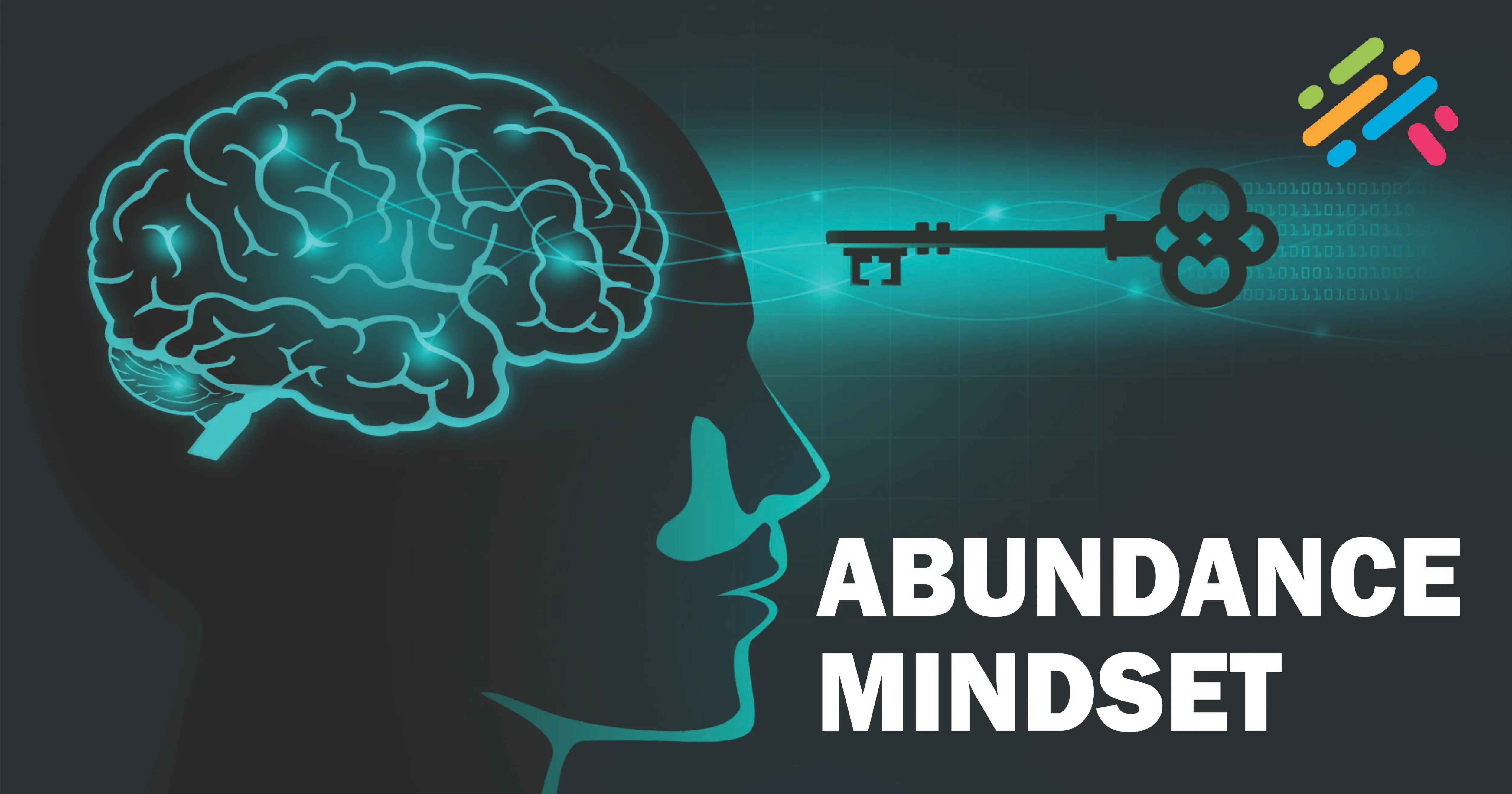
Shifting from Scarcity to Abundance Mindset
One of the most significant barriers to abundant living is the scarcity mindset. This mindset is characterized by a focus on what is lacking rather than what is available. It leads to fear-based decisions, risk aversion, and a constant sense of inadequacy. However, research shows that individuals who adopt an abundance mindset tend to achieve better outcomes in health, relationships, and financial prosperity. This shift doesn't require ignoring challenges or pretending problems don't exist; it means training the brain to search for possibilities with the same intensity it currently searches for threats.
To begin this transformation, start each day by documenting three specific things you're grateful for. This practice forces your brain to actively search for good things in your life rather than defaulting to complaints and concerns. The key is specificity and variety. Don't just write "my family" repeatedly. Notice "the way my partner made coffee this morning without being asked" or "having reliable transportation that got me to work safely." This trains your attention toward abundance that already exists, which primes your brain to notice more of it throughout the day.
Aligning Actions with Abundant Outcomes
Thinking abundantly without taking abundant action is just daydreaming. The real power comes when your external behaviors match your internal mindset. This means making decisions based on where you're going rather than where you've been. If you want financial abundance but every spending decision is driven by fear and deprivation, your actions contradict your goals. This doesn't mean being financially reckless. It means investing in yourself, your skills, and your growth even when it feels uncomfortable.
Take consistent action toward opportunities even when outcomes aren't guaranteed. Scarcity-minded people wait for perfect circumstances, complete certainty, and guaranteed success before they move. Abundant people understand that clarity comes through action, not before it. They apply for positions they're not fully qualified for. They pitch ideas that might get rejected. They start businesses before they have all the answers. This isn't recklessness. It's understanding that abundant outcomes require you to be in the game, taking shots and learning from misses.
Practicing Generosity as a Habit
Another powerful strategy for cultivating abundance is practicing generosity as a regular habit, even when resources feel tight. This might be the most counterintuitive abundance strategy, but it's also one of the most powerful. When you give your time, knowledge, money, or support freely, you send a deep message to your subconscious that you have more than enough. Scarcity makes people hoard and protect. Abundance allows people to share and contribute.
Start small if you need to: buy someone's coffee, share useful information freely, mentor someone just starting out, donate even modest amounts to causes you care about. This practice doesn't work through cosmic karma or universal laws. It works because it rewires your identity from "person who doesn't have enough" to "person who has enough to share." That identity shift changes everything about how you show up and what you attract.
Managing Energy to Sustain Prosperity Consciousness
Your energy level and emotional state directly impact your ability to recognize and act on opportunities. When you're exhausted, stressed, and running on fumes, everything looks harder and less possible. You make fear-based decisions, miss obvious opportunities, and lack the bandwidth to think creatively about solutions. Protecting your energy isn't selfish or indulgent. It's essential infrastructure for building abundance.
Pay attention to the media and content you consume daily. If you're constantly watching news that emphasizes catastrophe, scrolling through social media that triggers comparison and inadequacy, or consuming content that reinforces victimhood and powerlessness, you're programming your mind for scarcity. This doesn't mean burying your head in the sand or ignoring real problems. It means being intentional about what influences your mental state. Curate your information diet the way you'd curate your food diet. Seek out content that educates, inspires, and expands your sense of possibility.
Final Thoughts
Creating a life of abundance isn't about manipulating the universe through thoughts alone. It's about understanding the powerful connection between your internal beliefs, your daily actions, and the results you generate. When these elements align, you create momentum that feels almost magical but is actually just the natural outcome of consistency and focus. Scarcity thinking creates defensive, fear-based actions that repel opportunities. Abundance thinking creates confident, generous actions that attract them. This isn't mystical. It's predictable cause and effect once you understand the mechanics.
The journey from scarcity to abundance requires patience with yourself. You're unlearning patterns that may have been reinforced for decades and replacing them with new neural pathways that take time to solidify. There will be days when you slip back into scarcity thinking, when fear dominates your decisions, when you feel like abundance is just another thing you're failing at. These moments are normal and expected. The practice isn't about perfection. It's about consistently returning to abundance-oriented thoughts and actions, even after setbacks. Each time you choose the abundant thought over the scarce one, each time you take action despite uncertainty, you're strengthening new patterns that will eventually become your default.


Post a Comment for "The Ultimate Actionable Roadmap for Abundant Living"
Post a Comment