How to Create a Robust Retirement Fund: A Comprehensive Guide for Long-Term Financial Security
When it comes to retirement, the goal is clear: to enjoy your golden years without financial stress. But with rising living costs and an uncertain economic landscape, building a robust retirement fund has never been more critical. Whether you're just starting out or looking to catch up, creating a solid plan can make all the difference. In this guide, we’ll explore practical strategies, recent trends, and actionable steps to help you build a retirement fund that supports your lifestyle now and into the future.
Assess Your Current Financial Situation

The first step in creating a robust retirement fund is understanding where you stand financially. Take stock of all your assets, including savings accounts, investment portfolios, and retirement accounts like 401(k)s and IRAs. It’s also important to evaluate your liabilities, such as credit card debt, mortgages, and other obligations.
This assessment will give you a clear picture of your net worth and help identify gaps in your savings. For example, if you’re in your 40s or 50s and feel behind on retirement savings, you’re not alone. Many people find themselves in similar situations after years of focusing on other priorities like raising children or buying a home. The good news is that it’s never too late to take action.
By reviewing your current situation, you can set realistic goals and create a roadmap to achieve them. Consider consulting a financial advisor to model different scenarios and understand what’s achievable based on your timeline and risk tolerance.
Leverage Catch-Up Contributions

If you’re over 50, the IRS offers catch-up contributions to help you boost your retirement savings. In 2025, individuals aged 50 and older can contribute an additional $7,500 to their 401(k) and $1,000 to their IRA beyond the standard limits. These extra contributions can significantly impact your savings, especially if you consistently take advantage of them in the years leading up to retirement.
Additionally, if your employer offers a 401(k) match, make sure to contribute at least enough to receive the full match. This is essentially free money that can accelerate your progress toward a secure retirement.
Reevaluate Spending and Saving Habits
To build a robust retirement fund, it’s essential to reevaluate your spending and saving habits. Look at your monthly budget and identify areas where you can redirect funds toward retirement. This might include reducing discretionary spending, reassessing subscriptions, or refinancing high-interest debt to free up cash flow.
Automating contributions to your retirement accounts can also help maintain consistency. Treat these automatic deposits like any other non-negotiable expense, as your future deserves the same priority as your current bills.
Explore Additional Income Streams
If you’re starting later, earning extra income can make a powerful difference. Consider consulting in your field, freelancing, or turning a passion into a part-time business. Even modest amounts of additional income can accelerate your savings goals when intentionally directed toward retirement.
This approach doesn’t mean you have to work endlessly; it’s about creating flexibility. Additional income gives you more control over your financial choices and may help you feel more confident about the road ahead.
Adjust Your Retirement Vision
Catching up isn’t just about numbers; it’s also about perspective. Reimagining what retirement looks like for you can help make your goals more achievable and fulfilling. Maybe that means downsizing to a home that better fits your lifestyle, working part-time for a few years, or relocating somewhere that offers a lower cost of living.
Today’s retirement is more fluid than ever. It’s not necessarily about stopping work altogether, but rather having the freedom to choose how you spend your time. Making small adjustments now can help your savings stretch further later.
Invest with Purpose
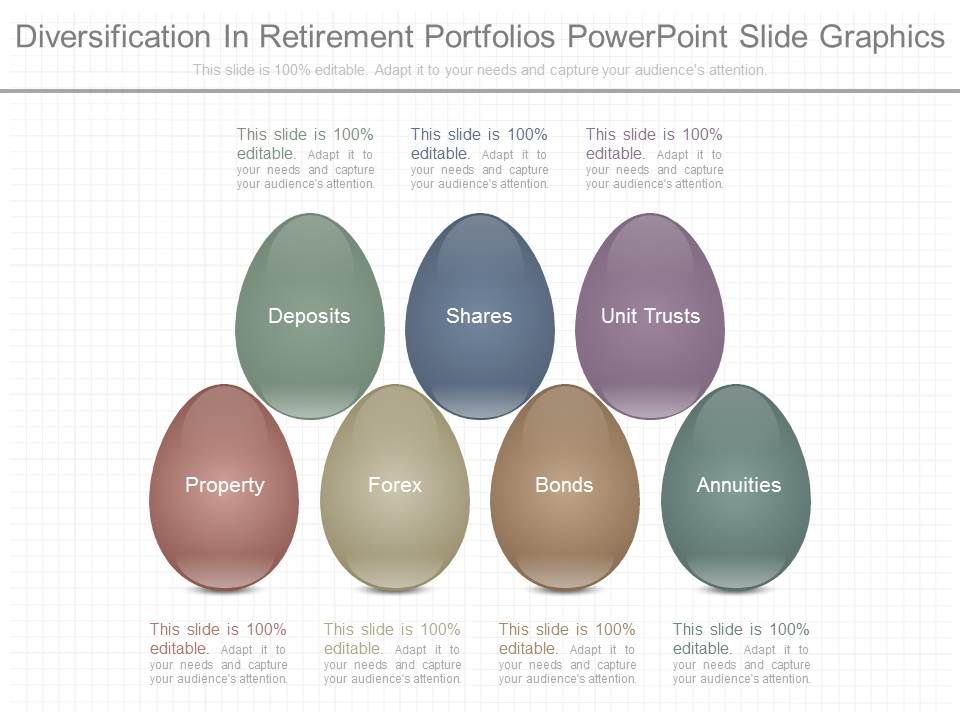
Once you’ve committed to saving more, take time to review your investment strategy. A diversified mix of investments tailored to your goals, time horizon, and comfort with risk can help support long-term growth potential. As you get closer to retirement, it may make sense to gradually shift toward more conservative investments, but the right balance will depend on your unique circumstances.
The focus isn’t on chasing high returns; it’s about aligning your portfolio with your goals and making thoughtful, informed decisions that reflect where you are today and where you want to be in the future.
Prioritize Debt Management
High-interest debt can make it harder to catch up on retirement savings. If you’re carrying balances on credit cards or personal loans, consider strategies to reduce or eliminate them. Lowering your monthly obligations can free up more income to direct toward savings.
For some, this might mean consolidating debt or refinancing to lower interest rates, while for others, it’s about building a structured plan to pay balances down over time. Every step toward reducing debt strengthens your foundation for retirement planning.
Common Questions and Practical Insights
Q: How much should I save for retirement?
A: The general rule of thumb is to aim for 80% of your pre-retirement income. However, this can vary based on your lifestyle, expenses, and retirement goals.
Q: What if I start saving later in life?
A: Starting later doesn’t mean you’ve missed your chance. By assessing your current picture, increasing savings where possible, and staying intentional with spending, you can still build meaningful forward movement.
Q: Should I consult a financial advisor?
A: Yes, a financial advisor can help you identify the right mix of strategies for your situation and provide ongoing guidance as your life evolves.
Conclusion
Building a robust retirement fund requires dedication, discipline, and careful planning. Whether you’re just starting out or looking to catch up, the key is to take action today. By assessing your current situation, leveraging catch-up contributions, reevaluating your spending habits, and investing with purpose, you can create a solid foundation for a financially secure future.
Remember, the earlier you start, the more time your money has to grow. But even if you’re starting later, there are still opportunities to build momentum and achieve your retirement goals. With the right strategies and mindset, you can enjoy a fulfilling retirement without financial stress.

Post a Comment for "How to Create a Robust Retirement Fund: A Comprehensive Guide for Long-Term Financial Security"
Post a Comment