How to Craft Your Own Economically Secure Story: A Step-by-Step Guide
In a world where economic stability is increasingly uncertain, crafting your own economically secure story isn't just a luxury—it's a necessity. Whether you're a young professional, a parent, or someone looking to break free from the cycle of financial stress, the path to economic security requires intention, planning, and adaptability. This guide will walk you through the essential steps to build a resilient financial future that aligns with your values and goals.

The Importance of Financial Self-Determination

Financial self-determination is the ability to control your economic destiny. It means making informed decisions about your money, setting clear goals, and taking actionable steps to achieve them. In today’s rapidly changing economy, relying solely on traditional income sources like a full-time job is no longer enough. The rise of remote work, gig economies, and digital entrepreneurship has created new opportunities for financial independence, but it also demands a shift in mindset.
Consider the story of Dr. Disha Spath, a physician who found herself in a precarious financial situation after taking unpaid maternity leave. Despite having a high-income profession, she realized that her lifestyle—marked by significant debt and limited savings—left her vulnerable. Her journey to financial freedom began with a simple yet powerful realization: income alone isn’t enough; it’s how you manage and grow that income that determines your long-term security.
Step 1: Assess Your Current Financial Situation
Before you can create a plan, you need to understand where you are financially. Start by calculating your net worth. This involves listing all your assets (such as property, savings, investments) and subtracting your liabilities (debts, loans). You’ll also want to track your monthly income and expenses to get a clear picture of your cash flow.
Tools like budgeting apps (e.g., Goodbudget, Frollo) can help you categorize your spending and identify areas where you might be overspending. For example, if you find yourself frequently dining out or paying for subscriptions you don’t use, these are opportunities to cut back and redirect funds toward savings or investments.
Step 2: Set Realistic and Achievable Goals
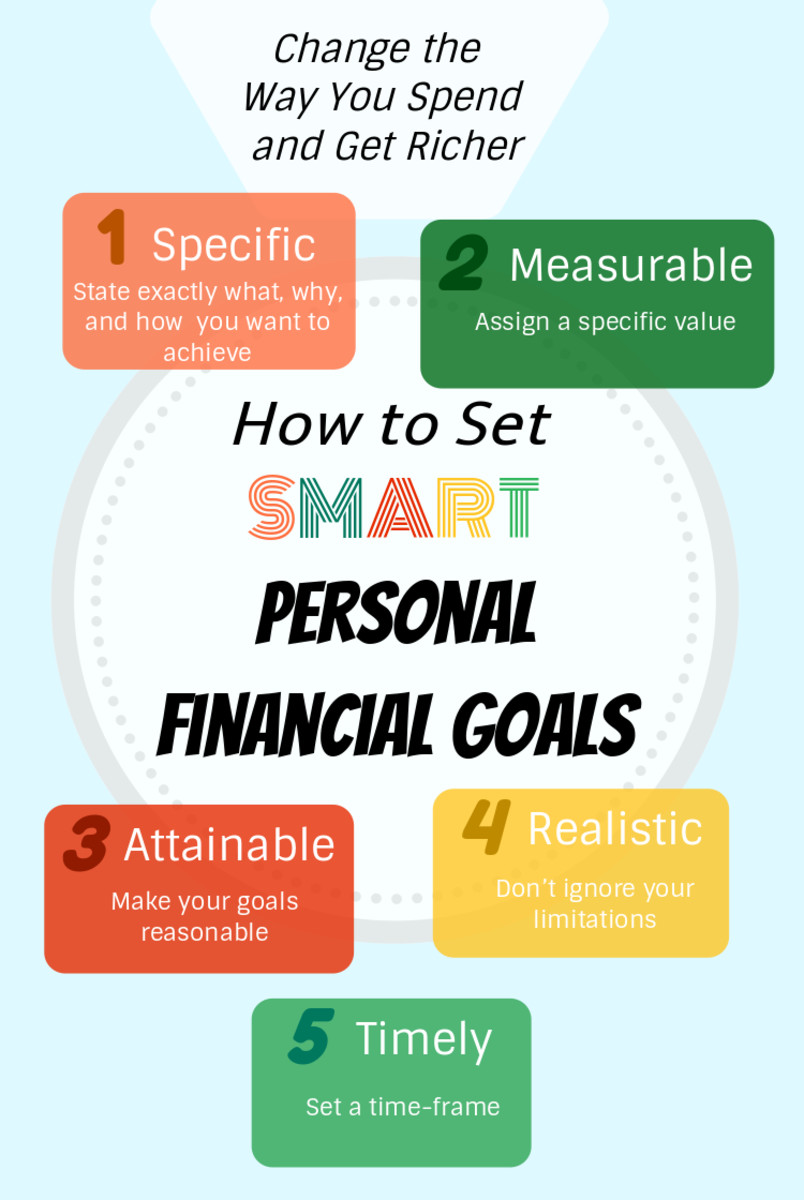
Once you have a clear understanding of your finances, it’s time to set SMART goals—Specific, Measurable, Achievable, Relevant, and Time-bound. These goals should reflect your long-term aspirations, such as buying a home, starting a business, or retiring early.
For instance, if your goal is to pay off $20,000 in credit card debt within two years, break it down into smaller milestones. Aim to pay an extra $500 each month toward the debt, and track your progress using a spreadsheet or app. Celebrate small wins along the way to stay motivated.
Step 3: Develop a Concrete Action Plan
With your goals in place, the next step is to develop a detailed action plan. This includes strategies for increasing your income, reducing expenses, and building wealth. One effective approach is the "debt snowball" method, where you focus on paying off the smallest debts first while making minimum payments on others. This creates a sense of momentum and keeps you motivated.
Additionally, consider diversifying your income streams. In 2025, the gig economy continues to expand, offering opportunities for side hustles, freelancing, and passive income. Whether it’s writing, consulting, or investing in real estate, exploring multiple revenue sources can provide a safety net and increase your financial flexibility.
Step 4: Regularly Review and Adjust Your Plan
Financial planning isn’t a one-time task—it’s an ongoing process. Life circumstances change, and so should your plan. Review your progress annually and adjust your goals as needed. For example, if you receive a promotion or face unexpected expenses, you may need to revise your budget or investment strategy.
Technology can be a valuable ally in this process. Online calculators for retirement planning, debt repayment, and investment growth can help you visualize your financial future and make informed decisions. Apps like Raiz Invest or Sharesight can automate your savings and investment processes, ensuring you stay on track without constant manual oversight.
Step 5: Build a Support System
No one achieves financial success in isolation. Surround yourself with people who support your goals and hold you accountable. This could include a financial advisor, a mentor, or a community of like-minded individuals. In 2025, online communities and forums have become powerful resources for sharing knowledge and gaining insights.
Consider joining groups focused on personal finance, such as Reddit’s r/PersonalFinance or local meetups. These platforms can offer advice, motivation, and practical tips for navigating the complexities of modern finance.
Common Questions and Practical Insights
How do I start saving if I’m living paycheck to paycheck?
Start small. Even setting aside $50 a month can make a difference over time. Use automated transfers to ensure consistency and avoid the temptation to spend the money before it’s saved.
What if I have high-interest debt?
Prioritize paying off high-interest debt first, as it can quickly erode your savings. Consider refinancing or consolidating debt to lower interest rates and reduce monthly payments.
How do I balance short-term needs with long-term goals?
Create a budget that allocates funds for both immediate expenses and future savings. Use the 50/30/20 rule as a guideline—50% for needs, 30% for wants, and 20% for savings and debt repayment.
Conclusion
Crafting your own economically secure story is a journey that requires patience, discipline, and a willingness to adapt. By assessing your current situation, setting clear goals, developing a plan, and staying flexible, you can build a financial future that provides peace of mind and freedom. Remember, the key to economic security lies not in the amount of money you earn, but in how you manage and grow it. With the right mindset and tools, you can create a life that reflects your values and aspirations.
Post a Comment for "How to Craft Your Own Economically Secure Story: A Step-by-Step Guide"
Post a Comment