How to Build a Sustainable Wealth Ecosystem: A Comprehensive Guide
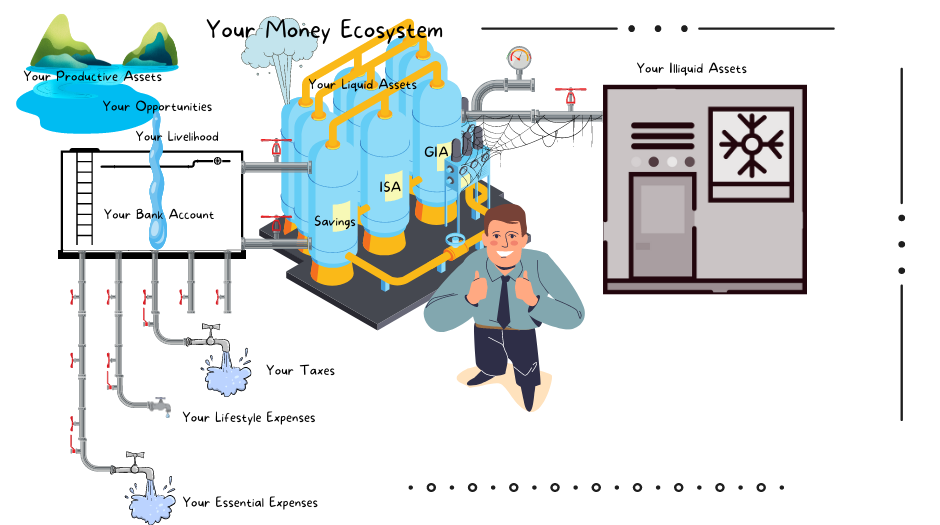
In today’s rapidly evolving financial landscape, the idea of building a sustainable wealth ecosystem has never been more relevant. It's not just about making money—it's about creating a system that allows your assets to grow, adapt, and thrive over time. Whether you're starting from scratch or looking to refine your current strategy, understanding how to build a sustainable wealth ecosystem can set you on the path to long-term financial freedom.
This guide will walk you through the essential principles, strategies, and mindset shifts needed to create a resilient financial foundation. From leveraging the power of compounding to cultivating a success-oriented mindset, we’ll explore the key elements that make a wealth ecosystem truly sustainable.
The Power of Compounding Returns

One of the most fundamental concepts in building a sustainable wealth ecosystem is the power of compounding returns. Just as a small investment can grow into a substantial sum over time, consistent reinvestment of earnings—whether through dividends, interest, or capital gains—can significantly boost your net worth.
Compounding works by allowing your earnings to generate additional earnings. For example, if you invest $10,000 at an annual return of 7%, after 30 years, that investment could grow to over $76,000, assuming no withdrawals and steady growth. This exponential growth is why many financial experts emphasize the importance of starting early and staying consistent.
To harness this power, consider investing in assets that offer regular returns, such as index funds, dividend-paying stocks, or real estate. By reinvesting these returns, you can accelerate your wealth accumulation without needing to add more capital.
Strategic Wealth-Building Tactics
Building wealth isn’t just about luck or timing—it’s about strategy. One effective tactic is dollar-cost averaging, which involves investing a fixed amount at regular intervals, regardless of market conditions. This approach helps reduce the impact of market volatility and ensures that you’re consistently contributing to your portfolio.
Another powerful strategy is reinvesting dividends. Rather than taking the income generated from your investments, you can use it to purchase more shares, which in turn generate more income. Over time, this creates a snowball effect that can significantly boost your overall returns.
Additionally, diversification plays a crucial role in maintaining a sustainable wealth ecosystem. By spreading your investments across different asset classes, industries, and geographies, you can reduce risk and increase the likelihood of steady growth.
Cultivating a Success-Oriented Mindset
While financial strategies are important, your mindset is equally critical. Building a sustainable wealth ecosystem requires more than just smart investments—it demands a disciplined, patient, and goal-oriented approach.
A growth mindset, as defined by psychologist Carol Dweck, is one of the most important traits for long-term financial success. It involves believing that your abilities and intelligence can be developed through effort, learning, and feedback. This mindset encourages continuous improvement, resilience in the face of setbacks, and a willingness to take calculated risks.
Setting clear financial goals is another essential step. Whether you're aiming to retire early, start a business, or build generational wealth, having specific, measurable objectives provides direction and motivation. Use the SMART criteria (Specific, Measurable, Achievable, Relevant, Time-bound) to ensure your goals are well-defined and actionable.
Embracing Risk and Learning from Failure

Wealth-building often involves taking risks. However, the key is to approach these risks strategically rather than recklessly. Before making any significant financial decision, conduct thorough research, assess the potential outcomes, and consider your risk tolerance.
Failure is inevitable, but it's also a valuable learning opportunity. Many successful investors and entrepreneurs have faced setbacks before achieving their goals. The difference lies in how they respond to those challenges. Instead of seeing failure as a dead end, view it as a stepping stone that provides insights and lessons for future success.
The Role of Discipline and Self-Control
Discipline and self-control are the cornerstones of a sustainable wealth ecosystem. They help you stay focused on your long-term goals, avoid impulsive decisions, and maintain consistency in your financial habits.
Developing these traits starts with creating a realistic budget and sticking to it. Automating your savings and investments can also help you build good financial habits without relying on willpower alone. Additionally, practicing mindful spending—such as waiting 24-48 hours before making large purchases—can prevent unnecessary debt and ensure that your money is working for you.
Building a Supportive Network
You don’t have to navigate the path to financial independence alone. Surrounding yourself with like-minded individuals who share your goals can provide motivation, accountability, and valuable insights.
Joining professional organizations, mastermind groups, or online communities can connect you with others who are also working towards financial success. Seeking out mentors who have achieved the level of wealth you aspire to can also provide guidance and inspiration.
Continuous Improvement and Learning
The world of finance is constantly changing, and so should your approach to wealth-building. Committing to continuous learning and improvement ensures that you stay ahead of the curve and adapt to new opportunities.
Read books, attend workshops, and follow industry leaders to stay informed about the latest trends and strategies. Investing in your own education and skills can also increase your earning potential and open up new avenues for wealth creation.
Practicing Gratitude and Contentment
Finally, cultivating a positive relationship with money is essential for long-term financial health. Practicing gratitude and contentment helps you appreciate what you have and reduces the urge to overspend or chase unrealistic goals.
Make it a daily habit to reflect on the things you’re grateful for, whether it’s your family, your health, or your financial progress. This mindset shift can lead to better decision-making and a more fulfilling life.
Conclusion
Building a sustainable wealth ecosystem is a journey that requires patience, strategy, and a strong mindset. By leveraging the power of compounding, adopting strategic financial tactics, and cultivating the right mental habits, you can create a system that supports your long-term financial goals.
Remember, wealth is not just about money—it's about creating a life of abundance, security, and purpose. With the right approach, you can build a legacy that lasts for generations. Start today, and watch your financial future unfold.

Post a Comment for "How to Build a Sustainable Wealth Ecosystem: A Comprehensive Guide"
Post a Comment