How to Build an Enduring Family Fortune: Strategies for Long-Term Wealth
In a world where economic uncertainty is the norm, building an enduring family fortune has never been more important. The ability to create and sustain wealth across generations is not just about financial acumen—it’s about strategy, discipline, and a long-term vision. Whether you’re starting from scratch or looking to strengthen your existing financial foundation, the principles of wealth-building remain consistent: smart investing, strategic planning, and a commitment to growth.
Understanding the Foundations of Wealth

Wealth isn’t built overnight, but it can be cultivated through deliberate and informed actions. The key to creating an enduring family fortune lies in understanding the fundamentals of financial management. This includes budgeting, saving, investing, and estate planning. These elements form the bedrock upon which lasting wealth is constructed.
One of the most critical aspects of this process is education. Financial literacy is essential, not only for individuals but for entire families. Knowledge empowers people to make informed decisions that align with their long-term goals. For example, understanding how to diversify investments, manage debt, and plan for retirement can significantly impact the trajectory of a family’s financial future.
Diversification and Strategic Investing
Diversification is a cornerstone of any successful investment strategy. By spreading investments across different asset classes—such as stocks, bonds, real estate, and commodities—families can mitigate risk and increase the likelihood of long-term gains. In 2025, the importance of diversification has only grown, as global markets continue to experience volatility due to geopolitical tensions, inflation, and technological disruptions.
Sustainable investing has also gained momentum. With over $2.6 trillion in assets under management among top sustainable family offices, the shift toward environmentally and socially responsible investments is clear. This trend reflects a growing awareness of the long-term impacts of financial decisions on both personal wealth and the planet.
Estate Planning and Legacy Building
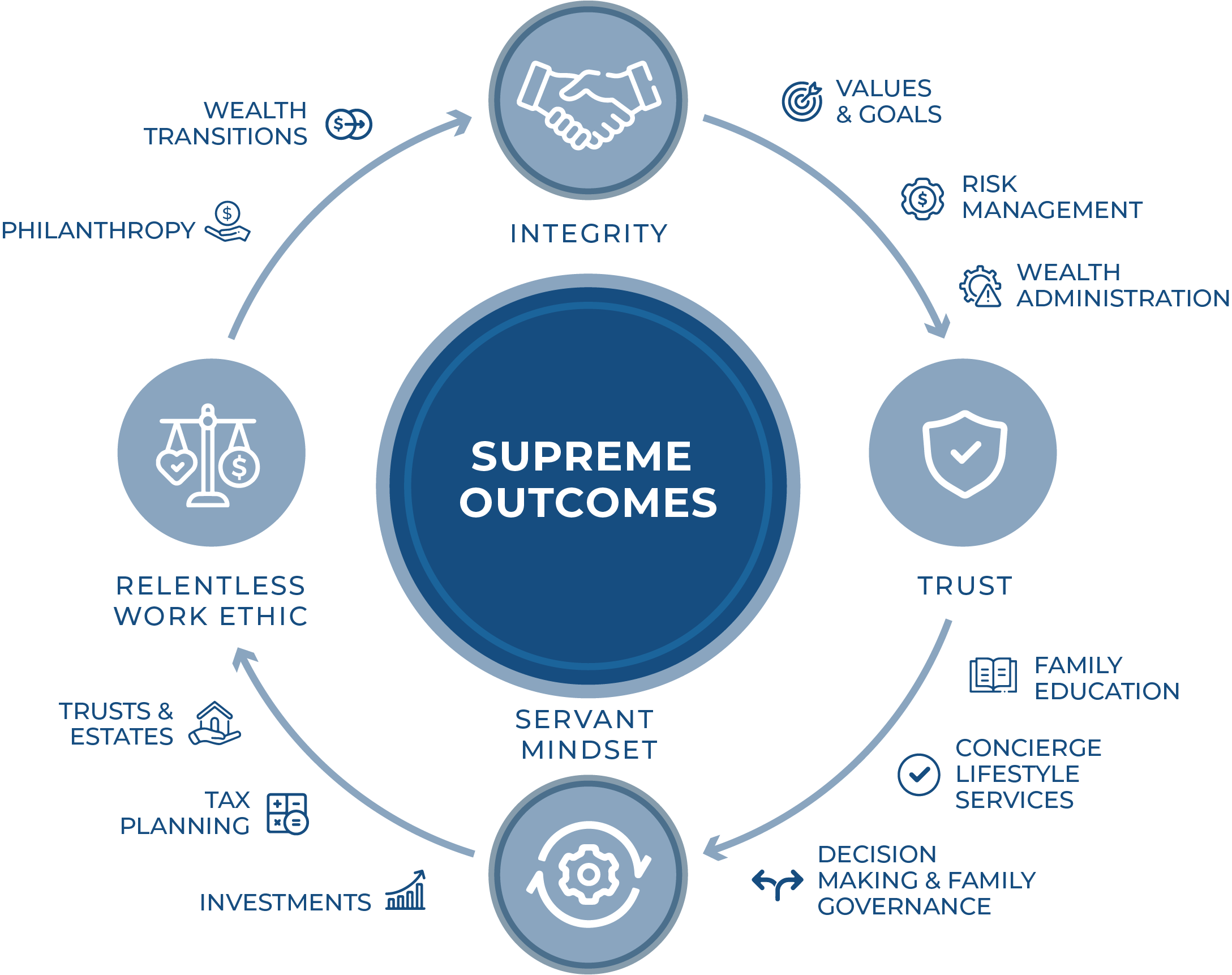
Estate planning is another crucial component of building an enduring family fortune. It involves creating a structured plan to transfer wealth efficiently and effectively to future generations. This includes setting up trusts, drafting wills, and utilizing tax-efficient strategies to minimize the burden on heirs.
The role of next-generation family members is becoming increasingly significant. According to recent studies, 87% of family offices report increased involvement from younger members in investment strategies. This generational shift underscores the importance of involving future heirs in financial decision-making early on, ensuring they are equipped to manage and grow the family’s wealth.
The Role of Generational Wealth Transfer
As we move into the 2030s, the challenge of transferring wealth across generations becomes even more complex. With the rise of digital currencies, new investment vehicles, and evolving regulatory landscapes, families must adapt their strategies to stay ahead.
One effective approach is to establish a family office—a dedicated entity that manages the financial affairs of a wealthy family. Family offices provide a centralized structure for managing investments, estate planning, and philanthropy, allowing families to maintain control over their wealth while maximizing its potential.
Philanthropy and Social Responsibility
Building an enduring family fortune isn’t just about accumulating wealth—it’s also about giving back. Philanthropy plays a vital role in shaping a family’s legacy. By supporting causes that align with their values, families can create a lasting impact beyond their own financial success.
Many family offices are now integrating social responsibility into their investment strategies. This includes funding initiatives that promote education, healthcare, and environmental sustainability. Such efforts not only enhance a family’s reputation but also contribute to the well-being of society at large.
Common Questions and Practical Insights
Q: How do I start building wealth if I’m just beginning?
A: Start by educating yourself on personal finance. Create a budget, save regularly, and invest in low-cost index funds or other diversified portfolios. Small, consistent steps can lead to significant long-term gains.
Q: What are the best ways to pass on wealth to future generations?
A: Establish a family office, set up trusts, and involve younger family members in financial planning. This ensures that wealth is managed responsibly and that future generations are prepared to handle it.
Q: Is sustainable investing worth it?
A: Yes. Sustainable investing not only aligns with ethical values but also offers long-term financial benefits. As more investors prioritize ESG (Environmental, Social, and Governance) criteria, sustainable investments are proving to be both profitable and impactful.
Conclusion
Building an enduring family fortune requires a combination of financial wisdom, strategic planning, and a commitment to long-term growth. From diversifying investments to estate planning and embracing sustainable practices, the path to lasting wealth is multifaceted. By taking these steps, families can ensure that their financial legacy endures for generations to come.
As the world continues to evolve, so too must our approaches to wealth-building. The key is to remain adaptable, informed, and focused on the future. With the right strategies in place, anyone can lay the groundwork for a prosperous and enduring family fortune.

Post a Comment for "How to Build an Enduring Family Fortune: Strategies for Long-Term Wealth"
Post a Comment