How to Build Confidence in Your Financial Decisions: A Step-by-Step Guide
Financial confidence is more than just knowing how much money you have—it’s about feeling secure in the choices you make, whether it's buying a home, investing, or planning for retirement. Yet, for many Americans, financial decisions can feel overwhelming, especially with rising costs, uncertain job markets, and the pressure of long-term planning. According to a 2025 survey by Northwestern Mutual, 70% of Americans report that financial uncertainty has caused anxiety or depression, with younger generations like Gen Z and millennials feeling the most impact. The good news? With the right strategies, you can build the confidence needed to make informed, stress-free financial decisions.
Understanding the Impact of Financial Anxiety

Financial anxiety isn’t just a mental burden—it affects your physical health, relationships, and even your career. Nearly half of Americans say financial worries have impacted their job performance, and over 50% have skipped social events due to money concerns. For Gen Z and millennials, the stress is even more pronounced, with 56% reporting physical symptoms from financial strain. This anxiety often stems from a lack of clarity and control. Without a clear plan, it’s easy to feel lost when making decisions about budgets, investments, or debt.
The key to breaking this cycle lies in building a solid foundation of financial knowledge and confidence. When you understand how your money works and what steps you can take to grow it, you’re less likely to be paralyzed by fear.
Step 1: Create a Clear Financial Plan
A financial plan is the cornerstone of confidence. It gives you direction and helps you see the big picture. Start by assessing your current financial situation: track your income, expenses, debts, and savings. Use tools like budgeting apps or spreadsheets to get a clear view of where your money is going.
Once you have a snapshot, set specific goals. Whether it's saving for a down payment on a house, paying off credit card debt, or building an emergency fund, having clear targets helps you stay focused. A well-structured plan also allows you to prioritize your spending and make informed choices about where to allocate your resources.
Step 2: Learn About the Time Value of Money

Understanding the time value of money (TVM) is essential for making smart financial decisions. TVM is the concept that money available today is worth more than the same amount in the future because it can earn interest or returns. This principle applies to everything from saving for retirement to paying off debt.
For example, if you invest $10,000 at a 5% annual return, it will grow to over $16,000 in 10 years. But if you wait to invest, you miss out on that growth. Knowing how to calculate future value and present value can help you make better decisions about when to save, spend, or invest.
Step 3: Seek Professional Guidance
While self-education is valuable, sometimes it’s helpful to consult a financial professional. A certified financial planner or advisor can provide personalized guidance tailored to your unique situation. They can help you create a roadmap that aligns with your goals, whether it’s maximizing retirement savings, managing debt, or planning for a major life event.
According to the Northwestern Mutual survey, 76% of Americans working with a financial advisor reported their finances were “strong,” compared to only 44% who didn’t seek help. Professional advice can give you the confidence to make informed decisions and avoid costly mistakes.
Step 4: Focus on What Matters Most
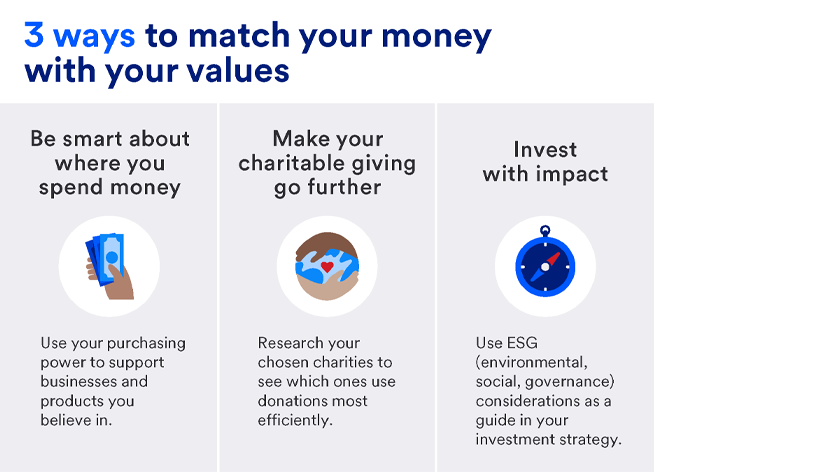
Financial decisions are not just about numbers—they’re about values. Many people fall into the trap of trying to keep up with others or buy things they don’t really need. Instead, focus on what truly matters to you. Ask yourself: What kind of life do I want? What are my non-negotiables?
By aligning your financial choices with your core values, you can reduce stress and make decisions that bring long-term satisfaction. For example, if family is important to you, you might prioritize saving for a home that allows you to spend more time with loved ones rather than chasing a high-paying job that leaves little time for personal life.
Step 5: Take Action and Stay Consistent
Confidence comes from taking action. Whether it’s starting a budget, opening a retirement account, or paying off a small debt, every step forward builds momentum. Consistency is key—small, regular actions add up over time. Set up automatic transfers to ensure you’re saving consistently, and review your progress regularly to stay on track.
Avoid the temptation to make impulsive decisions based on emotions. Instead, rely on data and planning. For instance, if you’re considering a major purchase, use online calculators to model different scenarios and see how each choice impacts your long-term goals.
Common Questions and Practical Insights
Q: How do I know if I’m making the right financial decisions?
A: Look at your long-term goals and ask whether your choices support them. If you're consistently saving, reducing debt, and investing wisely, you're on the right path. Regularly reviewing your financial plan with a professional can also help you stay on course.
Q: What if I’m worried about making a mistake?
A: Mistakes happen, but the key is to learn from them. Don’t let fear stop you from taking action. Even small steps, like starting an emergency fund or paying off a credit card, can significantly improve your financial confidence.
Q: Can I build confidence without a financial advisor?
A: Yes, but it takes effort. Educate yourself through books, podcasts, and online resources. Use free tools like budgeting apps and financial calculators. The more you understand, the more confident you’ll become.
Conclusion
Building confidence in your financial decisions is a journey, not a destination. It requires education, planning, and the courage to take action. By creating a financial plan, understanding the time value of money, seeking professional guidance, and focusing on your values, you can transform uncertainty into clarity.
Remember, financial confidence isn’t about having all the answers—it’s about making informed choices that align with your goals and values. As you take each step forward, you’ll find that the more you know, the more empowered you become. And in a world full of financial challenges, that empowerment is your greatest asset.

Post a Comment for "How to Build Confidence in Your Financial Decisions: A Step-by-Step Guide"
Post a Comment