How to Attain Genuine Financial Freedom: A Step-by-Step Guide
Financial freedom is more than just having a lot of money. It's about having the ability to live life on your own terms, without being shackled by financial stress or the need to work for survival. For many, it's the ultimate goal—a state where you can choose how to spend your time, pursue your passions, and enjoy the things that truly matter to you.
In the United States, where the cost of living continues to rise and the economy remains unpredictable, achieving genuine financial freedom has never been more important. But how do you get there? This guide will walk you through the essential steps to build lasting financial independence, drawing from real-life examples and practical strategies.
Understanding What Financial Freedom Really Means

The concept of financial freedom varies from person to person. For some, it might mean retiring early and traveling the world. For others, it could be the ability to start a business, support their family, or simply have peace of mind knowing they can handle any unexpected expenses.
According to a recent survey by the National Endowment for Financial Education, 68% of Americans believe they are not financially secure. This highlights the importance of taking proactive steps toward financial independence. One couple in their mid-40s, who worked with a financial advisor, found that their true sense of freedom came not from the amount of money they had, but from the ability to make choices aligned with their core values. They realized that financial freedom wasn’t just about retirement—it was about having the flexibility to live according to what mattered most.
Step 1: Set Clear Financial Goals

Before you can achieve financial freedom, you need to know where you're going. Start by defining your goals. Ask yourself:
- What kind of lifestyle do I want?
- How much money will I need to sustain that lifestyle?
- When do I want to reach financial independence?
These questions help create a roadmap. For example, if you want to retire at 55, you’ll need to calculate how much you must save and invest each year. Use tools like retirement calculators to estimate how much you'll need based on your current income, expected returns, and inflation rates.
Pro Tip: Break your goals into smaller, manageable milestones. This makes the journey feel less overwhelming and keeps you motivated.
Step 2: Master the Art of Saving
Saving is the foundation of financial freedom. The more you save, the faster you can build wealth and reduce your reliance on active income.
Pay Yourself First
A powerful strategy is to treat savings as a non-negotiable expense. Set up automatic transfers to your savings account before you pay bills or spend on discretionary items. This ensures you’re prioritizing long-term goals over short-term desires.
Cut Unnecessary Expenses
Look for areas where you can reduce spending without sacrificing your quality of life. This might include eating out less, canceling unused subscriptions, or shopping more mindfully. Tools like YNAB (You Need A Budget) or Mint can help track your spending and identify opportunities for savings.
Step 3: Increase Your Income
While saving is crucial, increasing your income can significantly accelerate your journey to financial independence. There are several ways to boost your earnings:
Negotiate a Higher Salary
If you're working in a job that provides value, don't hesitate to ask for a raise. Even a small increase in salary, when invested wisely, can make a big difference over time.
Start a Side Hustle
Consider starting a side hustle that aligns with your skills and interests. Popular options include freelancing, consulting, selling products online, or investing in real estate. A side hustle can provide an extra income stream that helps you reach your financial goals faster.
Pro Tip: Choose a side hustle that complements your main job rather than competing with it. This way, you can grow your income without burning out.
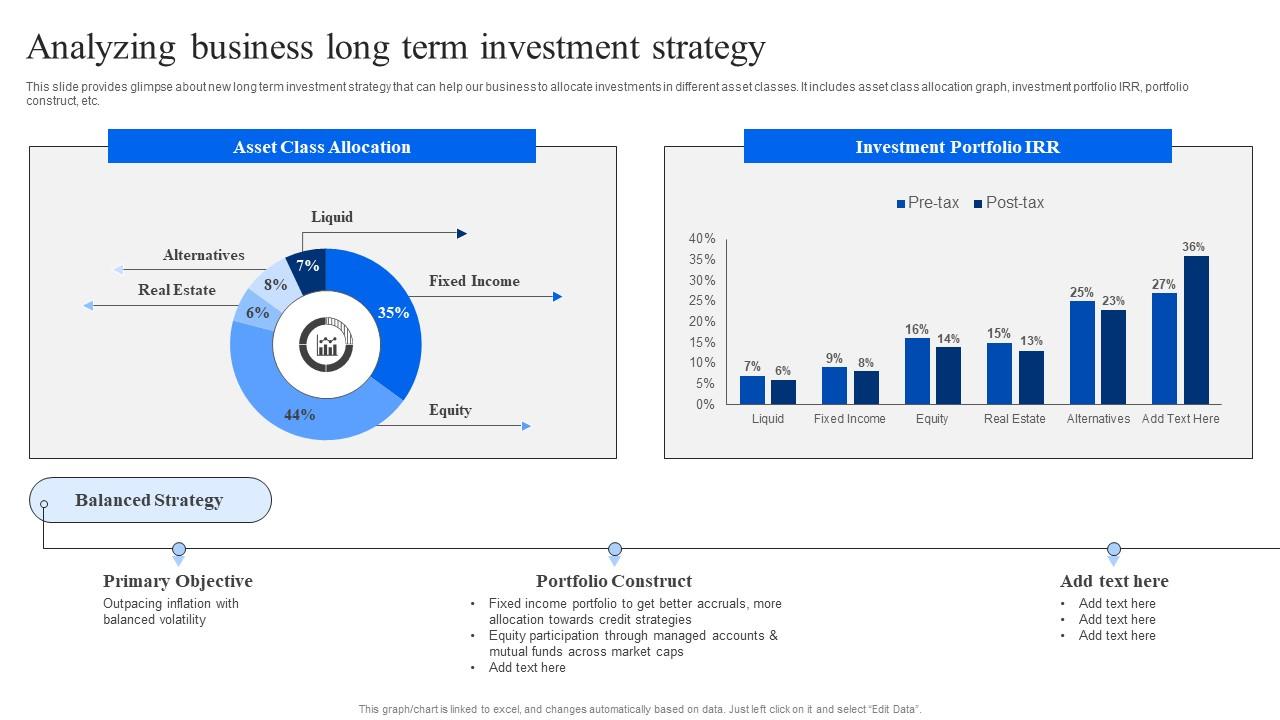
Step 4: Invest Strategically for Long-Term Growth
Investing is the engine that powers financial independence. By putting your money to work, you can grow your wealth exponentially over time.
Stock Market
Invest in index funds, ETFs, or individual stocks for long-term returns. Diversification is key—don’t put all your money into one asset class.
Real Estate
Rental properties can generate passive income and appreciate over time. Consider real estate as part of your investment portfolio.
Retirement Accounts
Maximize contributions to tax-advantaged accounts like 401(k)s and IRAs. These accounts offer tax benefits that can significantly boost your savings.
Pro Tip: Diversify your investments to reduce risk and ensure consistent growth.
Step 5: Minimize and Manage Debt
Debt can be a major obstacle on the road to financial independence. Here’s how to manage it effectively:
- Prioritize High-Interest Debt: Pay off high-interest debts, such as credit cards, as quickly as possible.
- Consolidate Loans: Consider consolidating loans to reduce interest rates and simplify payments.
- Avoid New Debt: Be cautious about taking on new debt, especially for non-essential items.
Step 6: Adopt a Financial Independence Mindset
Achieving financial independence requires a shift in mindset. Focus on long-term goals and stay disciplined even when faced with short-term temptations.
- Practice Gratitude: Appreciate what you have rather than constantly striving for more.
- Embrace Minimalism: Simplifying your lifestyle can reduce expenses and increase savings.
- Stay Motivated: Surround yourself with like-minded individuals or join financial independence communities for support and encouragement.
Step 7: Track Your Progress Regularly
Regularly tracking your progress helps you stay on course. Review your:
- Net worth
- Savings rate
- Investment performance
Make adjustments as needed and celebrate small milestones along the way to stay motivated.
Common Questions About Financial Freedom
Q1. How long does it take to achieve financial independence?
The timeline varies based on factors like your savings rate, income level, and investment returns. With aggressive saving and smart investing, some people achieve financial independence in 10–20 years.
Q2. How much should I save to become financially independent?
A common rule of thumb is to save 25 times your annual living expenses. This assumes a 4% withdrawal rate, which should sustain your lifestyle indefinitely.
Q3. Is financial independence the same as early retirement?
Not necessarily. Financial independence means you no longer need to work for money, but you can still choose to work if you enjoy it.
Q4. What is the biggest challenge in achieving financial independence?
Staying disciplined over the long term is often the biggest challenge. It requires consistent effort, patience, and the ability to delay gratification.
Conclusion
Attaining genuine financial freedom is not about having the most money—it's about having the ability to live life on your own terms. It requires discipline, planning, and a long-term mindset. By setting clear goals, saving consistently, increasing your income, investing wisely, and managing debt, you can build a future where you're no longer bound by financial constraints.
Remember, financial freedom is a journey, not a destination. It's about making choices that align with your values and priorities. Whether you're looking to retire early, start a business, or simply enjoy more freedom, the path to financial independence is within your reach. Start today, and take the first step toward a life of true financial freedom.

Post a Comment for "How to Attain Genuine Financial Freedom: A Step-by-Step Guide"
Post a Comment