How to Attain Financial Mastery with Ease: A Step-by-Step Guide
Financial mastery is not about having a huge bank account or living a life of luxury. It’s about understanding your money, making informed decisions, and creating a life where you feel in control of your financial future. In 2025, with the rise of digital tools, AI-driven financial planning, and a growing emphasis on financial literacy, achieving this kind of mastery has never been more accessible. Whether you're just starting out or looking to refine your approach, this guide will walk you through the essential steps to attain financial mastery with ease.

The Foundation of Financial Mastery
Before diving into specific strategies, it's crucial to understand that financial mastery starts with self-awareness. This means knowing where your money is going, how much you earn, and what your long-term goals are. According to a 2024 study by the National Endowment for Financial Education, individuals who regularly track their spending are 30% more likely to achieve their financial goals than those who don’t.
Step 1: Create a Financial Calendar
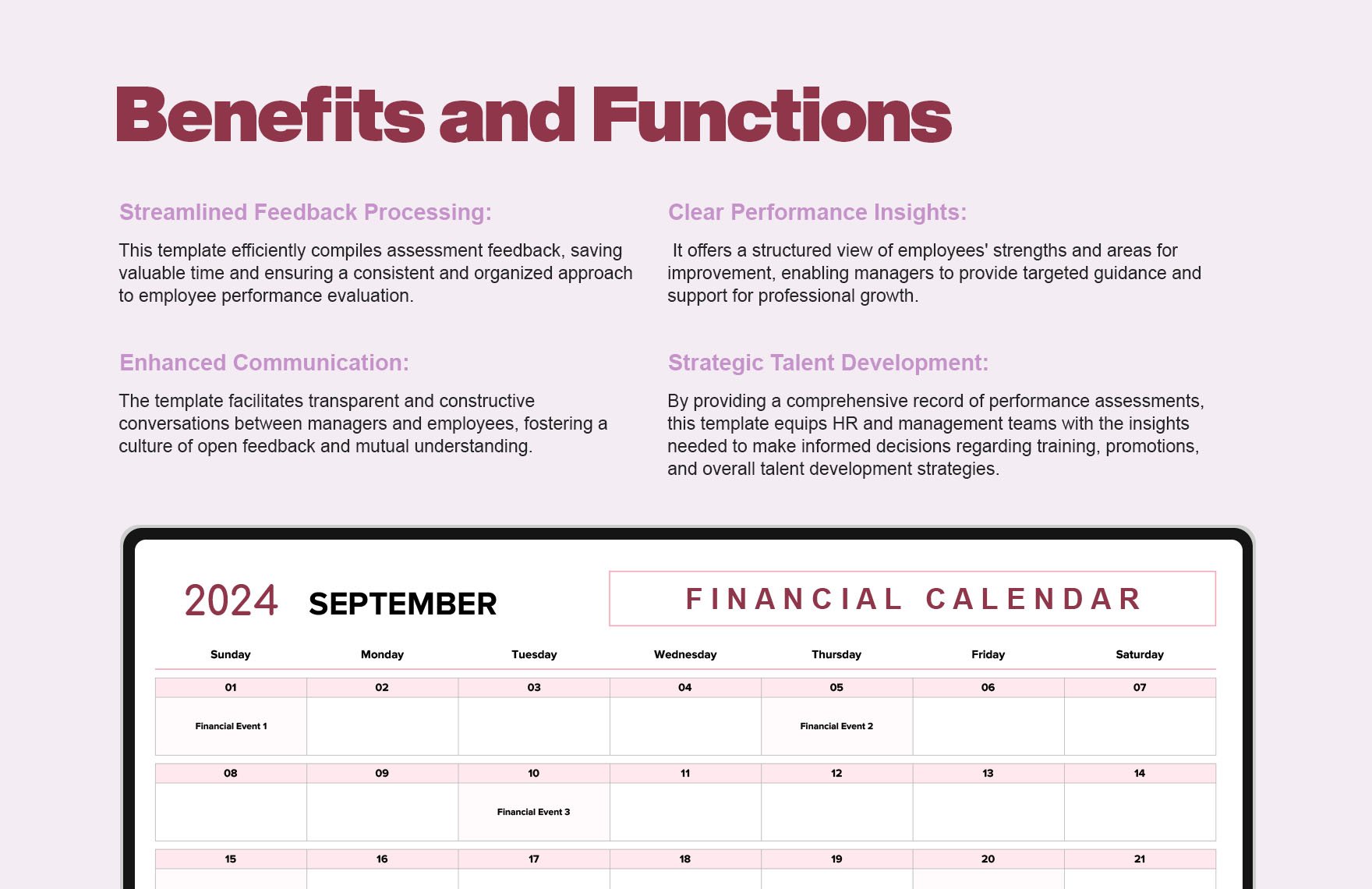
One of the simplest yet most effective tools for financial mastery is a financial calendar. This isn't just about remembering when bills are due—it's about scheduling important financial tasks like checking your credit report, reviewing investment portfolios, or setting aside time for budgeting. By treating these tasks as non-negotiable appointments, you ensure they don’t get overlooked.
Step 2: Understand Your Interest Rates

Interest rates can make or break your financial health. Whether you're paying off debt or saving, the interest rate plays a significant role in how quickly you can build wealth or reduce liabilities. For instance, a credit card with an 18% APR can easily spiral out of control if not managed carefully. On the flip side, a high-yield savings account with a 5% APY can help your money grow over time.
Step 3: Track Your Net Worth
Your net worth is the ultimate snapshot of your financial health. It’s calculated by subtracting your total debts from your total assets. Tracking this number regularly helps you see progress—and identify areas where you might be slipping.
Budgeting Like a Pro
Budgeting is the cornerstone of financial mastery. Without a clear plan for your money, it's easy to fall into the trap of overspending or neglecting savings.
Step 4: Set a Budget, Period
A budget is more than just a list of numbers—it's a roadmap for your financial journey. Start by categorizing your expenses into essentials (rent, groceries, utilities), debt payments, and discretionary spending. Tools like Mint or YNAB (You Need A Budget) can help automate this process and keep you on track.
Step 5: Consider an All-Cash Diet
In 2025, many people are returning to the basics. An all-cash diet—where you only use cash for purchases—can help you become more mindful of your spending habits. Studies show that people tend to spend less when using cash compared to cards, which can lead to better financial discipline.
Step 6: Allocate at Least 20% of Your Income Toward Financial Priorities
The 20/30/50 rule is a popular budgeting strategy that suggests allocating 20% of your income toward savings and debt repayment, 30% toward lifestyle spending, and 50% toward essentials. This ensures you’re building a strong financial foundation while still enjoying life.
Building Motivation and Discipline
Financial mastery isn’t just about numbers—it’s also about mindset. Staying motivated and disciplined is key to long-term success.
Step 7: Draft a Financial Vision Board
Visualizing your financial goals can be a powerful motivator. A vision board filled with images and quotes related to your goals—whether it's buying a home, traveling, or retiring early—can help keep you focused during tough times.
Step 8: Set Specific Financial Goals
Vague goals like “save more money” aren’t enough. Instead, set SMART goals—specific, measurable, achievable, relevant, and time-bound. For example, “I want to save $10,000 for a down payment in one year.”
Step 9: Adopt a Spending Mantra
A spending mantra is a simple phrase that guides your purchasing decisions. Something like “Is this purchase better than a vacation next year?” can help you stay focused on long-term goals rather than short-term desires.
Managing Debt and Credit
Debt can be a major roadblock to financial mastery. Learning how to manage it effectively is essential.
Step 10: Pay Off High-Interest Debt First
Credit card debt, with its typically high interest rates, should be a top priority. Using the avalanche method—paying off debts with the highest interest rates first—can save you thousands in interest over time.
Step 11: Keep Your Credit Utilization Below 30%
Your credit utilization ratio—the percentage of your available credit you’re using—plays a big role in your credit score. Keeping it below 30% shows lenders that you’re responsible with credit.
Investing for the Future
Investing is one of the most powerful tools for building wealth. But it requires knowledge and strategy.
Step 12: Start Early and Stay Consistent
The power of compound growth means that even small contributions can add up over time. Starting early gives you more time to ride out market fluctuations and build a solid portfolio.
Step 13: Diversify Your Investments
Diversification is key to managing risk. Spread your investments across different asset classes—stocks, bonds, real estate, and more—to reduce the impact of market volatility.
Final Thoughts: The Path to Financial Mastery
Attaining financial mastery is a journey, not a destination. It requires patience, discipline, and a willingness to adapt as your life changes. By following these steps and staying committed to your financial goals, you’ll be well on your way to creating a life of financial freedom and security.
Remember, the goal isn’t just to have more money—it’s to have more control over your life. With the right mindset and tools, you can achieve financial mastery with ease.
Common Questions & Practical Insights
Q: How do I start budgeting if I’m overwhelmed?
A: Start small. Focus on tracking your expenses for a month, then create a simple budget based on what you’ve learned. Use apps or spreadsheets to make it easier.
Q: What if I have bad credit?
A: You can start rebuilding your credit by paying bills on time, keeping credit utilization low, and using secured credit cards. Over time, your credit score will improve.
Q: Is investing too risky for beginners?
A: While investing carries risks, there are ways to minimize them. Start with low-risk options like index funds or ETFs, and consider consulting a financial advisor for personalized guidance.
Q: How do I know if I’m saving enough for retirement?
A: A general rule of thumb is to save at least 15% of your income for retirement. However, this can vary depending on your age, income, and retirement goals. Use online calculators to estimate how much you need.
Post a Comment for "How to Attain Financial Mastery with Ease: A Step-by-Step Guide"
Post a Comment