Advanced Strategies to Build Massive Personal Wealth: Proven Techniques for Long-Term Financial Success
In a world where financial stability is more critical than ever, the pursuit of personal wealth has become a top priority for many. However, building significant wealth isn't just about earning more—it's about making smart decisions, staying disciplined, and leveraging opportunities that can grow your assets over time. With the right strategies in place, you can transform your financial future and create lasting prosperity.
Understanding the Foundations of Wealth Building

Wealth building is not a quick fix or a matter of luck. It’s a long-term process that requires a combination of financial planning, consistent saving, and strategic investing. The key is to start early, stay committed, and make informed choices that align with your financial goals. Whether you're aiming for retirement security, financial independence, or a legacy for future generations, the principles of wealth building remain the same.
One of the most important steps in this journey is setting clear financial goals. These goals should be specific, measurable, and achievable. For example, short-term goals might include paying off high-interest debt or building an emergency fund, while long-term goals could involve retirement planning or investing in real estate. Having a roadmap helps you stay focused and makes it easier to track your progress.
Budgeting and Saving: The Cornerstone of Financial Stability

Budgeting is one of the most powerful tools you can use to build wealth. A well-structured budget allows you to track your income and expenses, ensuring that you’re spending within your means and prioritizing savings. There are several budgeting methods to choose from, such as the 50/30/20 rule, which allocates 50% of your income to necessities, 30% to discretionary spending, and 20% to savings and investments. Another popular approach is zero-based budgeting, where every dollar is assigned a specific purpose, eliminating unnecessary spending.
Consistency is key when it comes to saving. Even small amounts saved regularly can add up over time, especially when combined with the power of compound interest. Setting up automatic transfers to your savings or investment accounts ensures that you’re consistently contributing to your financial growth without having to think about it.
Investing Wisely: Growing Your Money Over Time
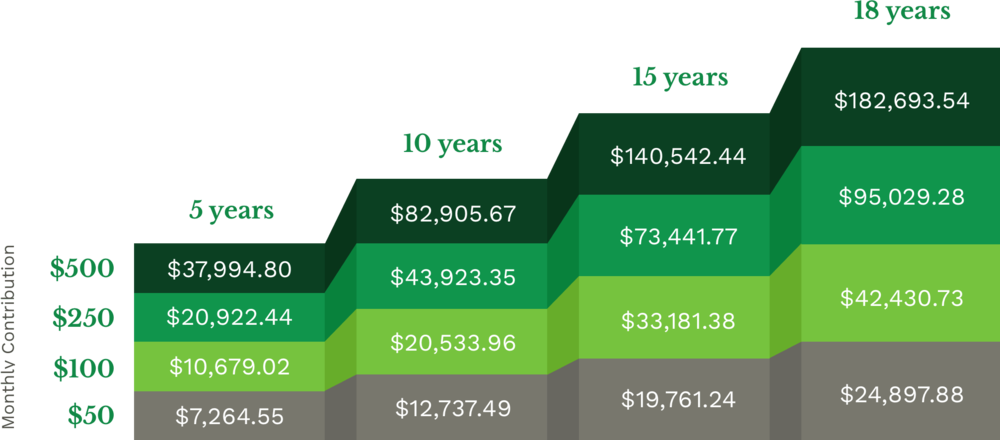
Investing is one of the most effective ways to build wealth, as it allows your money to work for you rather than relying solely on earned income. The earlier you start investing, the more time your money has to grow through compound interest. Stocks, exchange-traded funds (ETFs), and real estate are all popular investment options that offer different levels of risk and return.
Diversification is essential when it comes to investing. By spreading your investments across different asset classes, you can manage risk and maximize returns. For example, a mix of stocks, bonds, and real estate can provide both growth and stability. Additionally, investing in low-cost index funds or target-date funds can help simplify the process and reduce fees.
Minimizing Debt: Protecting Your Financial Future
Debt can be a major obstacle to financial growth if not managed properly. While some forms of debt, such as mortgages or student loans, can be considered good investments in your future, high-interest debt—such as credit card balances—can erode wealth. Prioritizing debt repayment, particularly high-interest debt, frees up financial resources that can be redirected towards savings and investments.
Strategies such as the debt snowball method, where smaller debts are paid off first to build momentum, or the debt avalanche method, which focuses on high-interest debts first, can be effective in eliminating financial burdens. Debt consolidation is another option that can help simplify payments and reduce interest rates.
Building Multiple Income Streams: Enhancing Financial Security
Relying on a single income source can be risky, as job loss or economic downturns can severely impact financial stability. Building multiple streams of income enhances financial security and accelerates wealth accumulation. Additional income sources can come from side businesses, freelance work, rental properties, stock dividends, or passive income opportunities such as royalties or affiliate marketing.
Diversifying income not only increases financial resilience but also provides more opportunities to invest and grow wealth over time. Whether you’re starting a side hustle or exploring new revenue streams, the goal is to create a stable and sustainable financial foundation.
Educating Yourself: The Power of Financial Literacy
Financial literacy is essential for long-term financial success. Understanding concepts such as investing, taxes, inflation, and market trends enables better financial decision-making. There are numerous ways to improve financial knowledge, including reading books, attending workshops, taking online courses, and following reputable financial experts.
Staying informed about economic changes and investment opportunities ensures that financial strategies remain relevant and effective. Knowledge is a powerful tool in wealth building, as it helps individuals avoid common financial pitfalls and make informed choices.
Protecting Your Wealth: Safeguarding Your Assets
Accumulating wealth is only part of the equation—protecting it is equally important. Unexpected events such as medical emergencies, job loss, or market downturns can threaten financial stability. Having an emergency fund, typically covering three to six months of living expenses, provides a financial safety net.
Additionally, insurance policies, such as health, life, and property insurance, safeguard against unforeseen risks. Estate planning, including wills and trusts, ensures that wealth is preserved and passed on according to your wishes. Proactive measures to protect assets prevent setbacks that could derail financial progress.
Common Questions and Practical Insights
Q: How much should I save each month?
A: Aim to save at least 20% of your income. This can be adjusted based on your financial goals and lifestyle.
Q: What’s the best way to start investing?
A: Begin with low-cost index funds or target-date funds. These options offer diversification and are easy to manage.
Q: How can I reduce my debt faster?
A: Use the debt avalanche method to pay off high-interest debt first, or consider consolidating your debt to simplify payments.
Conclusion
Building wealth requires a strategic approach that includes setting clear financial goals, budgeting effectively, investing wisely, and protecting assets. It is a long-term process that demands patience, discipline, and continuous learning. By implementing sound financial habits and leveraging tools such as automated savings and diversified investments, individuals can take control of their financial future and work towards lasting prosperity. Regardless of where you are in your financial journey, making smart money decisions today will lay the foundation for a secure and wealthy tomorrow.

Post a Comment for "Advanced Strategies to Build Massive Personal Wealth: Proven Techniques for Long-Term Financial Success"
Post a Comment