Advanced Strategies for Long-Term Financial Success
In a world where financial stability is more crucial than ever, the pursuit of long-term wealth has become a top priority for many. While traditional savings and investment strategies still hold value, the modern investor must explore advanced paths to financial success that go beyond the basics. These strategies involve a blend of disciplined planning, smart investing, and leveraging opportunities that compound over time. Whether you're just starting out or looking to refine your approach, understanding these advanced methods can set you on a path to lasting financial freedom.
The Power of Dividend Growth Investing
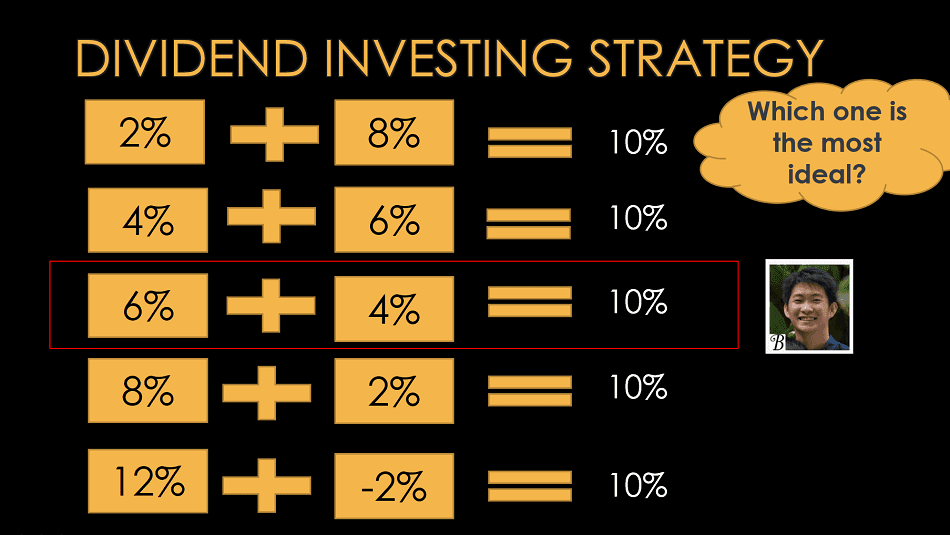
One of the most effective advanced strategies for long-term financial success is dividend growth investing. This approach focuses on companies that not only pay dividends but consistently increase them over time. Unlike high-yield stocks, which often come with higher risk, dividend growth stocks offer a steady income stream that can be reinvested to generate even more returns through compounding.
A key metric in evaluating these stocks is the yield on cost (YOC), which measures the current dividend relative to the original purchase price. For example, consider Visa (V), a global payment processing giant. Although its current yield may seem low at around 0.6%, investors who purchased shares a decade ago have seen their YOC rise significantly due to consistent dividend increases. Over the past ten years, Visa’s annual dividend growth rate has averaged about 19%, resulting in a YOC of roughly 3.5% for those who bought early. For investors who held since 2008, this number jumps to nearly 15%.
This strategy isn’t just about income—it’s about building a sustainable financial foundation. By focusing on companies with strong fundamentals, manageable payout ratios, and a history of increasing dividends, investors can create a portfolio that generates reliable income while also offering capital appreciation.
Leveraging Technology and Automation

In today's fast-paced world, technology plays a pivotal role in achieving financial success. From budgeting apps to automated investment platforms, tools are available that can streamline your financial journey. One of the most powerful ways to use technology is through automation. Setting up automatic transfers for savings, investments, and bill payments ensures that you’re consistently working toward your goals without having to remember each step manually.
For instance, if you're aiming to build an emergency fund, automating monthly contributions can help you reach your target faster. Similarly, setting up automatic investments in a diversified portfolio can take advantage of market fluctuations and ensure that you’re consistently growing your wealth.
Tools like Quicken, Tiller, and Monarch Money allow you to track your cash flow, manage expenses, and set realistic budgets. These platforms not only simplify financial management but also provide insights into where your money is going and how you can optimize it.
Embracing Long-Term Thinking

Financial success isn't about quick wins—it's about making decisions that pay off over time. This means adopting a long-term mindset when it comes to investing, saving, and spending. For example, if you start investing $300 a month in your 20s, you could potentially retire with over a million dollars by the time you reach retirement age. The power of compounding is undeniable, and the earlier you start, the more time your money has to grow.
Long-term thinking also involves planning for unexpected events. Building an emergency fund, securing adequate insurance, and maintaining a diversified investment portfolio are all part of a well-rounded financial strategy. These steps not only protect your wealth but also give you the flexibility to pursue other financial goals, such as homeownership, education, or starting a business.
Managing Debt Wisely
Debt can either be a tool for growth or a burden that holds you back. The key is to manage it wisely. High-interest debt, such as credit card balances, should be a priority to pay off as quickly as possible. On the other hand, low-interest debt, like mortgages or student loans, can be managed strategically to free up more money for investing and saving.
Refinancing, consolidating, or negotiating lower interest rates are all viable options for reducing your debt load. Additionally, creating a debt repayment plan—whether it's the avalanche method (paying off high-interest debt first) or the snowball method (paying off smaller debts first)—can provide a sense of accomplishment and motivation.
It's also important to avoid taking on unnecessary debt. Before making a large purchase, ask yourself whether it's a necessity or a want. If it's a want, consider waiting until you can afford it without compromising your financial health.
The Role of Insurance in Financial Security
Insurance is often overlooked but is a critical component of long-term financial success. It provides a safety net against unexpected events that could derail your financial plans. Health insurance, disability insurance, life insurance, and property insurance all play a role in protecting your assets and ensuring that you can maintain your standard of living during difficult times.
For example, disability insurance can replace a portion of your income if you're unable to work due to an injury or illness. Life insurance can provide financial support to your family if something were to happen to you. Health insurance helps cover medical expenses that could otherwise lead to significant debt.
While insurance premiums may seem like an expense, they’re an investment in your financial future. They help mitigate risks and ensure that you’re not left in a vulnerable position when life throws unexpected challenges your way.
Building a Diversified Portfolio
Diversification is one of the cornerstones of sound financial strategy. By spreading your investments across different asset classes—such as stocks, bonds, real estate, and commodities—you reduce the risk of losing everything if one particular sector underperforms.
A well-diversified portfolio includes both growth-oriented and income-generating assets. For example, combining dividend-paying stocks with bonds and real estate investment trusts (REITs) can provide a balanced approach that offers both capital appreciation and regular income.
Additionally, considering alternative investments like private equity, hedge funds, or cryptocurrency can further diversify your portfolio. However, these should be approached with caution and only after thoroughly understanding the associated risks.
Conclusion
Advanced paths to financial success require more than just saving money—they demand a strategic, informed, and disciplined approach. By focusing on dividend growth investing, leveraging technology, embracing long-term thinking, managing debt wisely, securing proper insurance, and building a diversified portfolio, you can create a solid foundation for lasting financial freedom.
Remember, financial success isn’t about chasing quick gains or following trends. It’s about making thoughtful decisions that align with your goals and values. With the right strategies in place, you can achieve not only financial stability but also the peace of mind that comes with knowing you’re on the right path.

Post a Comment for "Advanced Strategies for Long-Term Financial Success"
Post a Comment