10 Proven Budgeting Tips to Accelerate Your Path to Wealth
When it comes to building wealth, the first step is often overlooked: budgeting. Many people think of budgeting as a restrictive practice, but in reality, it's a powerful tool for financial freedom. Smart budgeting allows you to make deliberate choices about your money, ensuring that you're not just surviving but thriving. Whether you're aiming to save for a home, build an emergency fund, or invest in your future, effective budgeting can be the key to unlocking rapid wealth. Here are ten proven budgeting tips to help you accelerate your journey toward financial success.
Set Clear Financial Goals
Before diving into budgeting, it’s essential to define your financial goals. These could be short-term, like saving for a vacation, or long-term, such as planning for retirement. Having clear objectives will guide your spending decisions and keep you motivated. For example, if your goal is to buy a house, you’ll prioritize saving for a down payment while cutting back on non-essential expenses. This clarity ensures that every dollar you spend aligns with your larger financial aspirations.
Track Your Expenses
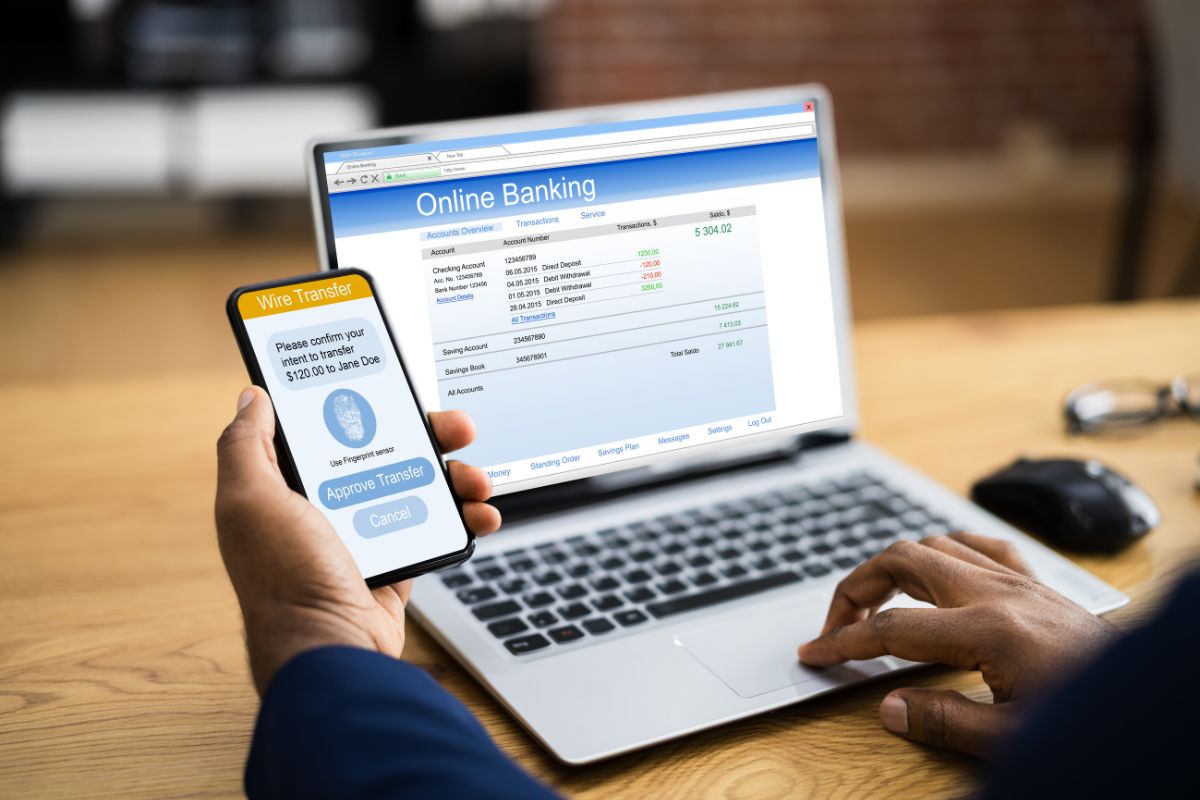
Understanding where your money goes is the foundation of effective budgeting. Use expense-tracking apps like Mint or YNAB (You Need A Budget) to monitor your spending patterns. By having a clear picture of your financial habits, you can identify areas where you might be overspending. For instance, you might discover that you’re frequently dining out or buying unnecessary subscriptions. Once you know where your money is going, you can make informed adjustments to better align your spending with your goals.
Adopt the 50/30/20 Rule
One of the most popular and straightforward budgeting approaches is the 50/30/20 rule. This method suggests allocating 50% of your income to needs (such as housing, food, and utilities), 30% to wants (like entertainment and hobbies), and 20% to savings or debt repayment. This balance ensures that you cover essential expenses while still enjoying life and building financial security. It’s a flexible framework that can be adjusted based on your unique circumstances.
Automate Savings and Bill Payments
Automating your finances can prevent accidental overspending and ensure regular savings. Set up automatic transfers to your savings account and automated bill payments. This way, you’re consistently saving and never miss a due date—reducing stress and potential late fees. For example, if you set up an automatic transfer of $200 each month to your emergency fund, you’ll build a safety net without even thinking about it.
Review and Adjust Regularly

Budgeting isn’t a one-time task; it requires regular review and adjustment. Set aside some time each month to review your budget and assess your progress toward your financial goals. Make necessary adjustments to accommodate changes in your income or expenses, keeping your budgeting strategy flexible and responsive. For instance, if you receive a raise, you might decide to increase your savings rate or pay off debt faster.
Prioritize High-Interest Debt Payoff
High-interest debt can be a significant barrier to financial freedom. Focus on paying down debts with the highest interest rates first. Consider using the "avalanche" method (prioritizing high-interest debts) to save on interest payments over time. For example, if you have credit card debt at 18% interest, paying that off first can save you thousands in interest charges, allowing you to redirect that money toward savings or investments.
Use Envelope Budgeting for Discretionary Spending
Envelope budgeting is a cash-only system where you allocate a specific amount of money for discretionary categories like dining out or entertainment. Once that money is spent, you can't spend anymore in that category. This technique helps control spending and encourages mindful purchasing decisions. For example, if you allocate $100 for entertainment each month, you'll be more conscious of how you spend that money, preventing overspending.
Incorporate Rewards and Incentives
Budgeting doesn't have to be restrictive. Incorporate small rewards or indulgences into your budget as incentives for staying on track. This keeps budgeting sustainable and reinforces positive financial behavior, ensuring you maintain balance and motivation. For instance, if you stick to your budget for a month, treat yourself to a movie night or a favorite meal. These small rewards can make a big difference in maintaining discipline.
Build an Emergency Fund
An emergency fund is crucial for financial stability. Aim to save at least three to six months' worth of living expenses in a separate account. This fund acts as a safety net for unexpected costs, such as medical bills or car repairs. By having this buffer, you avoid relying on credit cards or loans during emergencies, which can derail your financial progress.
Invest for the Future
Once you've built a solid budget and an emergency fund, consider investing your savings to grow your wealth. Options like stocks, bonds, or real estate can provide long-term returns. Even small contributions to an investment account can compound over time, helping you achieve your financial goals faster. For example, investing $100 a month in a diversified portfolio could grow significantly over the years, thanks to the power of compound interest.
Common Questions or Practical Insights
What are the benefits of setting clear financial goals?
Setting clear financial goals provides direction and motivation, helping you make informed decisions about your money. It ensures that your spending aligns with your priorities and keeps you focused on achieving long-term success.
How can tracking expenses improve my budgeting?
Tracking expenses gives you a clear picture of where your money is going, allowing you to identify areas where you can cut back and save more effectively.
Why is the 50/30/20 rule useful?
The 50/30/20 rule offers a balanced approach to budgeting, ensuring that you cover essential expenses while still enjoying life and building financial security.
How does automating savings help?
Automating savings ensures that you consistently set aside money for the future, reducing the risk of overspending and helping you build a financial cushion.
What is envelope budgeting?
Envelope budgeting is a cash-based system that helps control discretionary spending by allocating specific amounts for different categories, encouraging mindful spending.
Why is prioritizing high-interest debt important?
Prioritizing high-interest debt saves you money on interest payments over time, allowing you to redirect those funds toward savings or investments.
How do rewards and incentives help with budgeting?
Rewards and incentives make budgeting more enjoyable and sustainable, reinforcing positive financial habits and keeping you motivated.
What is the importance of an emergency fund?
An emergency fund provides a financial safety net, helping you handle unexpected expenses without relying on credit or loans.
How can investing help build wealth?
Investing allows your money to grow over time, providing long-term returns that can significantly enhance your financial security and independence.
What is the role of regular budget reviews?
Regular budget reviews ensure that your financial plan remains aligned with your goals, allowing you to make necessary adjustments and stay on track.
Conclusion
Building wealth through smart budgeting is a journey that requires discipline, consistency, and adaptability. By setting clear financial goals, tracking your expenses, adopting the 50/30/20 rule, automating savings, and reviewing your budget regularly, you can take control of your financial future. Remember, budgeting is not about deprivation—it's about making intentional choices that allow you to live comfortably while working toward your dreams. With these proven tips, you're well on your way to accelerating your path to wealth and achieving the financial freedom you deserve. Start today, and watch your money work for you.

Post a Comment for "10 Proven Budgeting Tips to Accelerate Your Path to Wealth"
Post a Comment