10 Actionable Steps to Becoming Rich: A Practical Guide to Financial Success
In a world where financial stability is often seen as a distant dream, the idea of becoming rich can feel overwhelming. However, the path to wealth isn’t reserved for the elite or the lucky few. With the right mindset, strategies, and consistent effort, anyone can take actionable steps toward financial independence. This guide outlines 10 practical steps that will help you build wealth, manage your money wisely, and ultimately achieve the financial freedom you desire.
Set Clear Financial Goals

The journey to financial success begins with clarity. Before diving into any strategy, it’s essential to define what financial independence means to you. Ask yourself: What lifestyle do I want? How much money do I need to sustain that lifestyle? And how long am I willing to work to achieve it?
Setting specific, measurable goals helps you create a roadmap. For example, if your goal is to have $1 million in investments by age 50, calculate how much you need to save and invest each year. Use online tools like retirement calculators to estimate how long it might take based on your current savings rate and expected returns. This step ensures you’re not just working hard but working smart.
Master the Art of Saving

Saving is the foundation of wealth-building. The more you save, the faster you can grow your assets. One effective strategy is “paying yourself first,” which means setting aside a portion of your income for savings before spending on discretionary items. This habit ensures that your financial goals are prioritized over short-term desires.
Cutting unnecessary expenses is another key aspect of saving. Identify areas where you can reduce costs without sacrificing your quality of life. This could include eating out less, canceling unused subscriptions, or shopping more mindfully. Tools like YNAB (You Need A Budget) or Mint can help track your expenses and identify opportunities for savings.
Increase Your Income
While saving is crucial, increasing your income can significantly accelerate your journey to financial independence. Negotiating a higher salary is one of the most impactful ways to boost your earnings. If you're delivering value at work, don't hesitate to ask for a raise. Even a small increase can compound over time when invested wisely.
Starting a side hustle is another powerful way to generate additional income. Whether it's freelancing, selling products online, or investing in real estate, there are numerous opportunities to diversify your revenue streams. Choose a side hustle that aligns with your skills and interests to ensure long-term sustainability.
Invest Strategically for Long-Term Growth
Investing is the engine that powers financial growth. By putting your money to work, you can grow your wealth exponentially over time. Consider investing in a diversified portfolio that includes stocks, bonds, real estate, and retirement accounts. Index funds and ETFs are excellent options for long-term growth, while real estate can provide passive income through rental properties.
Retirement accounts like 401(k)s and IRAs offer tax advantages that can help you build wealth faster. Maximize contributions to these accounts to take full advantage of compounding interest. Diversification is key to reducing risk and ensuring consistent growth over time.
Minimize and Manage Debt
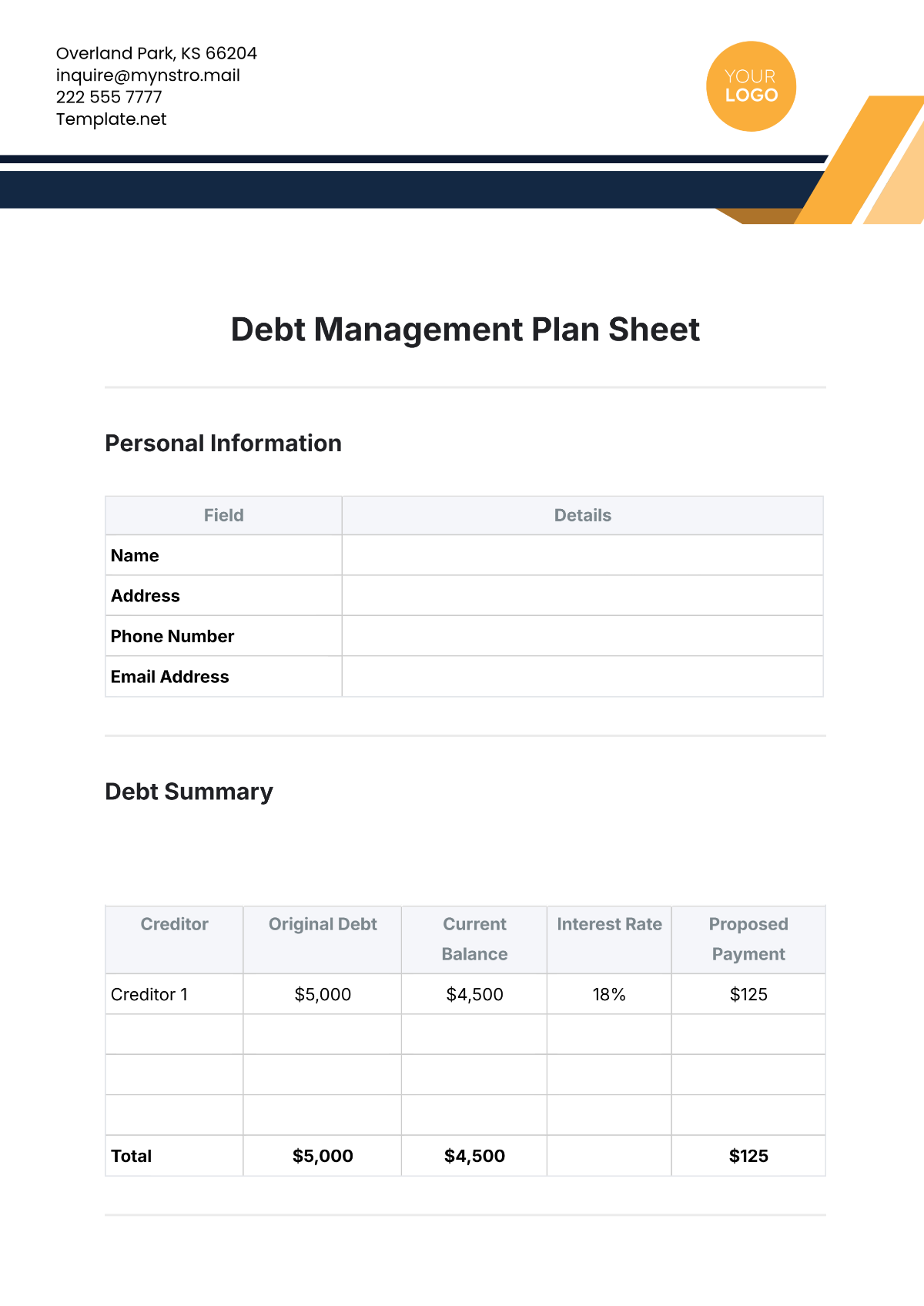
Debt can be a major obstacle on the road to financial independence. High-interest debts like credit cards should be a top priority for repayment. Consolidating loans can also help reduce interest rates and simplify payments. Avoid taking on new debt, especially for non-essential items, as it can derail your progress.
Creating a debt repayment plan and sticking to it is essential. Focus on paying off high-interest debts first, then move on to lower-interest ones. This approach helps you regain control of your finances and frees up more money for savings and investments.
Adopt a Financial Independence Mindset
Achieving financial independence requires more than just numbers—it demands a shift in mindset. Focus on long-term goals and stay disciplined even when faced with short-term temptations. Practice gratitude to appreciate what you have rather than constantly striving for more.
Embracing minimalism can also help simplify your life and reduce expenses. Living below your means allows you to avoid lifestyle creep and maintain financial stability. Surround yourself with like-minded individuals or join financial independence communities for support and encouragement.
Track Your Progress Regularly
Regularly tracking your progress helps you stay on course. Review your net worth, savings rate, and investment performance to gauge your progress. Make adjustments as needed and celebrate small milestones along the way to stay motivated.
Using financial tracking tools can make this process easier. These tools help you visualize your progress and identify areas for improvement. Staying consistent and patient is key to long-term success.
Common Questions and Practical Insights
Q: How long does it take to become financially independent?
The timeline varies depending on factors like your savings rate, income level, and investment returns. With aggressive saving and smart investing, some people achieve financial independence in 10-20 years.
Q: How much should I save to become financially independent?
A common rule of thumb is to save 25 times your annual living expenses. This assumes a 4% withdrawal rate, which should sustain your lifestyle indefinitely.
Q: Is financial independence the same as early retirement?
Not necessarily. Financial independence means you no longer need to work for money, but you can still choose to work if you enjoy it.
Q: What is the biggest challenge in achieving financial independence?
Staying disciplined over the long term is often the biggest challenge. It requires consistent effort, patience, and the ability to delay gratification.
Conclusion
Becoming rich is not about luck or inheritance—it’s about making intentional choices and taking consistent action. By setting clear goals, mastering the art of saving, increasing your income, investing wisely, managing debt, adopting the right mindset, and tracking your progress, you can build a path to financial freedom.
Remember, the journey to wealth is a marathon, not a sprint. Stay focused, remain adaptable, and keep learning. With the right strategies and mindset, you can transform your financial future and achieve the life you’ve always dreamed of.

Post a Comment for "10 Actionable Steps to Becoming Rich: A Practical Guide to Financial Success"
Post a Comment