Unlocking Global Opportunities for Prosperity: A Comprehensive Guide
In today’s interconnected world, the pursuit of prosperity is no longer confined to traditional economic metrics. As we navigate a rapidly evolving global landscape, the focus has shifted from sheer GDP growth to a more holistic understanding of what truly drives sustainable and inclusive development. This article explores the emerging opportunities for prosperity across the globe, emphasizing the role of innovation, entrepreneurship, and equitable growth in shaping the future of economies.
The traditional model of economic development, which prioritized macroeconomic indicators like GDP, has long been the standard. While this approach has undeniably contributed to global growth, it has also exposed critical gaps—particularly in human development, innovation capacity, and equitable distribution of resources. The new paradigm for prosperity must be built on a foundation that values people, systems, and fairness as much as economic output.
This shift is not just theoretical; it's already underway. Emerging markets, once seen as potential growth areas, are now leading the charge in redefining what prosperity looks like. From the Gulf Cooperation Council (GCC) to India, and from Africa to Latin America, these regions are demonstrating that growth can be inclusive, sustainable, and driven by local ingenuity.
Growth Markets Redefining the Mainstream
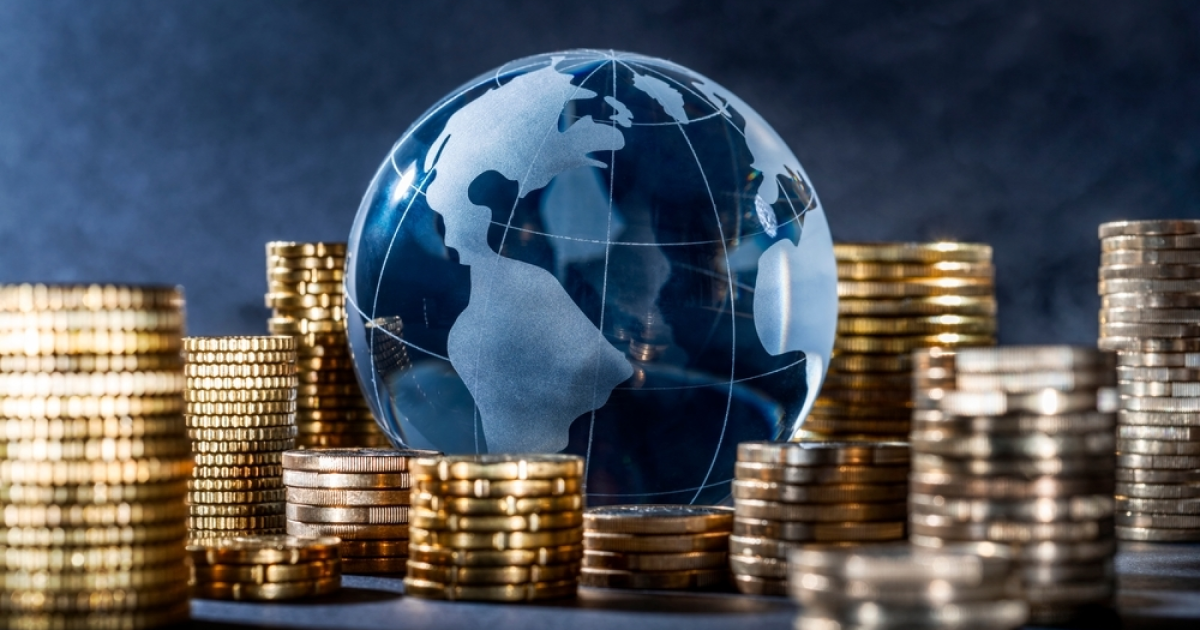
According to the International Monetary Fund (IMF), emerging markets and developing economies are projected to grow at 3.7% in 2025, nearly three times the pace of advanced economies, which are expected to grow at 1.4%. These figures highlight a structural shift in the global economy—one that is reshaping the way we think about development and opportunity.
The GCC countries, with their vast sovereign wealth assets and advanced trade hubs, are prime examples of this transformation. Saudi Arabia, for instance, has made significant strides in diversifying its economy beyond oil, investing heavily in sectors like technology, renewable energy, and tourism. Similarly, India, the world's most populous nation, is set to account for over 16% of global GDP growth between 2023 and 2028. Its growing middle class and entrepreneurial spirit are driving demand and innovation at an unprecedented scale.
Africa’s Moment

Africa, often overlooked in discussions about global prosperity, is poised to play a pivotal role in the coming decades. By 2050, the continent will be home to 2.5 billion people, with over 60% under the age of 25. This demographic dividend presents both challenges and opportunities. If properly harnessed, it could become a powerful engine of growth and innovation.
Africa already boasts the highest entrepreneurship rates globally, with more than 1 in 5 working-age adults engaged in launching a business. Mobile adoption and rapid urbanization have created fertile ground for innovation, making Africa not just a market of tomorrow but a laboratory of today. However, to fully realize its potential, the continent needs investment in education, infrastructure, and policies that support inclusion and sustainability.
Leapfrogging Toward a New Model

What makes these growth markets unique is their ability to leapfrog outdated systems and pioneer new development pathways. Kenya’s M-Pesa mobile money revolution, for example, didn’t just replicate banking—it invented a new financial paradigm that the West is still struggling to match. India’s telemedicine platforms are now influencing rural healthcare models even in developed nations. The UAE’s government services, ranked among the most digitalized globally, demonstrate how small states can become agile, tech-driven centers of excellence.
These innovations are not just stories of growth—they are signals that prosperity can—and must—look different: inclusive and sustainable, driven by entrepreneurship and innovation.
Toward a New Calculus
In this new calculus, human capital is the most precious resource, and digital infrastructure is the ultimate enabler. Those who invest in their people—particularly young, entrepreneurial, adaptive individuals—and in building robust, sustainable systems that embrace technology like artificial intelligence in the right way, will define the next century.
The old binary of "developed vs. developing" is dead. The new choice is clear: either cling to outdated models that privilege macroeconomic growth while leaving human development and equity behind, or embrace a world where global growth markets lead the next wave of prosperity—prosperity that is entrepreneurial, sustainable, and inclusive.
Common Questions and Practical Insights
What are the key drivers of global prosperity?
Global prosperity is driven by a combination of factors, including innovation, entrepreneurship, and equitable growth. It requires investment in human capital, digital infrastructure, and sustainable systems that benefit all members of society.
How can emerging markets contribute to global prosperity?
Emerging markets are not just catching up to advanced economies—they are charting new pathways that can define the global future. They represent 85% of the world’s population and are now the primary engines of growth and creativity.
What role do the Sustainable Development Goals (SDGs) play in achieving prosperity?
The SDGs provide a comprehensive framework for addressing the world's most pressing challenges, including poverty, inequality, climate change, and social injustice. Achieving the SDGs ensures that citizens have access to basic needs like healthcare, education, and clean water, while promoting economic growth and environmental sustainability.
How can investors capitalize on international opportunities?
Investors can capitalize on international opportunities by conducting thorough research, understanding regional economic indicators, and leveraging technology and innovation. Diversification, risk management, and strategic partnerships are essential for navigating the complexities of global markets.
Conclusion
The path to global prosperity is no longer defined by the size of an economy but by the opportunities it creates for its people. As we look ahead, it is clear that the future of prosperity lies in innovation, inclusivity, and sustainability. Emerging markets are not just participants in globalization—they are leaders in shaping its future.
For those willing to embrace this new paradigm, the opportunities are vast. From the corridors of Abu Dhabi to the campuses of Bangalore, from the ports of Dubai to the innovation hubs of Nairobi, the next generation of economic champions is already rising. The real question is not if they will drive change—but if we will choose to partner in co-creating a more sustainable, inclusive form of prosperity driven by innovation and entrepreneurs. The time for a new paradigm is now.

Post a Comment for "Unlocking Global Opportunities for Prosperity: A Comprehensive Guide"
Post a Comment