Top Expert Wealth Management Techniques for Long-Term Financial Success
In an era where financial stability is more crucial than ever, understanding and implementing expert wealth management techniques can be the difference between long-term prosperity and financial uncertainty. Whether you're just starting out or looking to refine your approach, mastering these strategies can help you build a resilient financial future. With evolving market conditions, technological advancements, and shifting economic landscapes, the need for informed, personalized wealth management has never been greater.
Understanding Your Client’s Unique Needs

At the heart of effective wealth management lies a deep understanding of each client's individual circumstances. No two financial journeys are the same, and what works for one person may not work for another. Successful wealth managers begin by conducting in-depth conversations to uncover their clients’ life goals, risk tolerance, and financial aspirations.
Creating detailed client profiles is a foundational step in this process. These profiles should include income sources, liabilities, and future financial objectives. This information allows advisors to craft tailored solutions that align with each client’s unique needs. Personalization isn’t just about meeting expectations—it’s about exceeding them through thoughtful, strategic planning.
Staying Ahead of Market Trends
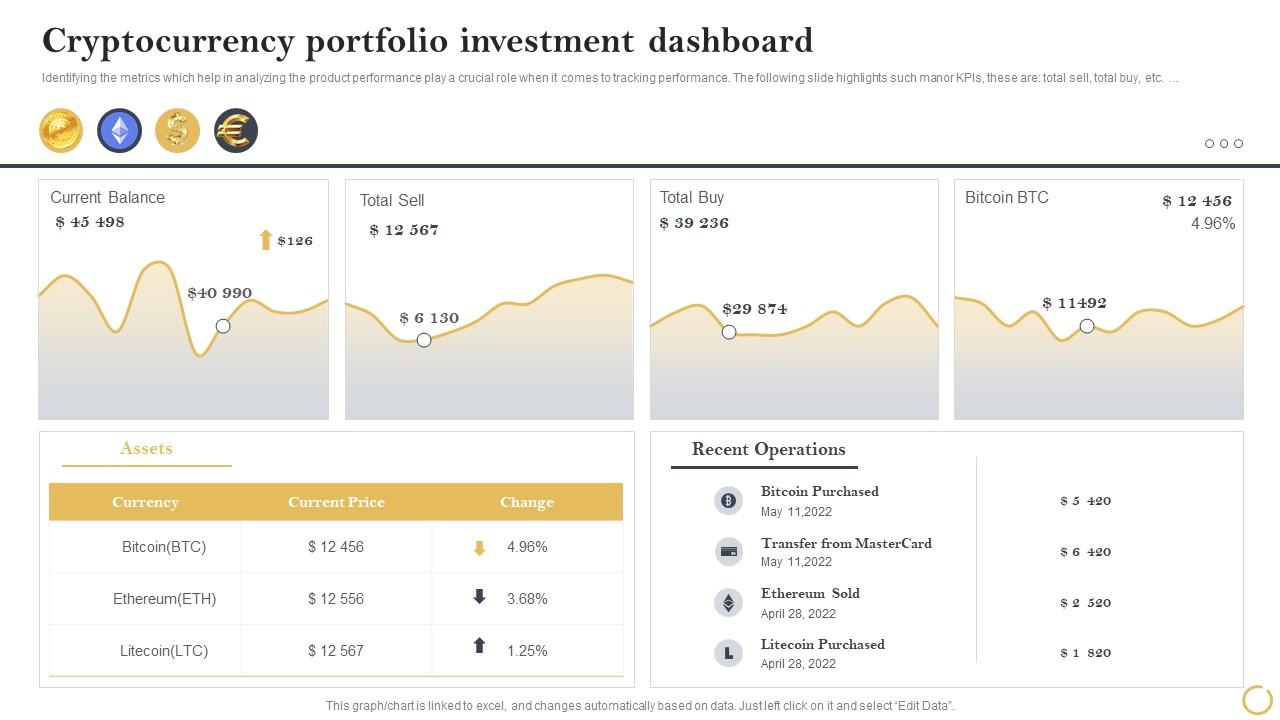
The financial world is constantly changing, and staying informed is essential for any wealth manager. Market trends, regulatory updates, and macroeconomic shifts can all impact investment strategies and client outcomes. Continuous learning is key to maintaining a competitive edge and delivering value.
Enrolling in advanced courses, attending industry seminars, and joining professional organizations are excellent ways to stay updated. Additionally, leveraging technology—such as AI-driven analytics tools and real-time market data platforms—can provide valuable insights and enhance decision-making. In 2025, the integration of machine learning into wealth management is becoming increasingly common, allowing for more precise forecasting and personalized recommendations.
Developing a Comprehensive Financial Plan
A well-structured financial plan serves as a roadmap for achieving long-term goals. It outlines clear objectives, risk management strategies, and steps for retirement and estate planning. A comprehensive plan ensures that every aspect of a client’s financial life is considered, from budgeting and saving to investing and tax planning.
Key components of a strong financial plan include:
- Clear, time-bound financial goals
- Strategies for wealth accumulation and preservation
- Risk management plans, including insurance and emergency funds
- Tax-efficient investment and retirement strategies
By addressing these elements, wealth managers can create a holistic approach that supports both immediate and long-term financial success.
Diversification: The Cornerstone of Risk Management
Diversification remains one of the most effective techniques for managing risk and optimizing returns. By spreading investments across different asset classes—such as equities, bonds, real estate, and alternative investments—clients can reduce exposure to market volatility.
Balancing risk and reward requires careful consideration of each client’s profile and market conditions. For example, a younger investor with a longer time horizon might allocate more towards growth-oriented assets like stocks, while someone nearing retirement may prioritize income-generating investments such as bonds or dividend-paying stocks.
Harnessing Technology for Enhanced Efficiency

Technology has revolutionized the wealth management industry, offering tools that streamline processes, improve client interactions, and enhance decision-making. From CRM systems that track client relationships to robo-advisors that offer automated investment recommendations, technology enables wealth managers to deliver more personalized and efficient services.
In 2026, the use of blockchain for secure transactions and smart contracts for automated wealth management is gaining traction. These innovations not only increase transparency but also reduce costs and improve efficiency. Embracing these technologies can give wealth managers a significant advantage in today’s fast-paced financial environment.
Tax Efficiency: Maximizing Net Returns
Tax planning is a critical component of wealth management, as it directly impacts net returns. Effective strategies such as utilizing tax-advantaged accounts, capital loss harvesting, and selecting tax-optimal investment vehicles can significantly enhance a client’s financial position.
For instance, Roth IRAs and HSAs offer unique tax benefits that can be leveraged to maximize savings. Additionally, structuring investments to minimize capital gains taxes and taking advantage of deductions and credits can further optimize a client’s financial strategy.
Building Strong Client Relationships
Trust is the foundation of any successful wealth management relationship. Clients must feel confident that their advisor is acting in their best interest at all times. Regular communication, transparency, and active listening are essential for fostering trust and ensuring that clients remain engaged and informed.
Wealth managers who prioritize client relationships often see higher retention rates and stronger referrals. By maintaining open lines of communication and demonstrating a commitment to client success, advisors can build lasting partnerships that support long-term financial growth.
Regular Portfolio Reviews and Adjustments
Financial markets are dynamic, and so are client needs. Regularly reviewing and adjusting portfolios ensures that they remain aligned with changing goals and market conditions. This process involves assessing performance, rebalancing asset allocations, and making necessary adjustments based on new information or life events.
Annual reviews, combined with periodic check-ins, allow for proactive management and timely interventions. This approach helps clients stay on track and adapt to new challenges or opportunities as they arise.
Ethical Practices and Continuous Improvement
Upholding ethical standards is non-negotiable in wealth management. Advisors must act in the best interest of their clients, disclose all fees and risks, and comply with regulatory requirements. Ethical practices not only protect clients but also build a reputable and trustworthy brand.
Continuous improvement is equally important. Seeking feedback from clients and peers, staying informed about industry trends, and refining strategies based on new insights are all part of a committed advisor’s journey. This mindset fosters growth and ensures that advisors remain relevant and effective in an ever-changing landscape.
Common Questions and Practical Insights
Q: How do I know if I need a financial advisor?
A: If you have complex financial goals, multiple income streams, or significant assets, a financial advisor can provide valuable guidance. They can help you navigate tax implications, investment options, and long-term planning.
Q: What are the benefits of diversification?
A: Diversification reduces risk by spreading investments across different asset classes. It helps protect against market downturns and can lead to more stable returns over time.
Q: How often should I review my financial plan?
A: Annual reviews are recommended, along with periodic check-ins after major life events such as marriage, job changes, or inheritance.
Q: Can I manage my wealth on my own?
A: Yes, many people successfully manage their wealth through self-directed strategies. However, for complex situations or high-net-worth individuals, professional guidance can be invaluable.
Conclusion: A Balanced Approach to Long-Term Success
Mastering expert wealth management techniques requires a combination of strategic planning, continuous learning, and a commitment to client-centric service. By understanding individual needs, staying informed about market trends, and leveraging technology, wealth managers can help clients achieve lasting financial success.
Whether you're just starting out or looking to refine your approach, the principles outlined here provide a solid foundation for building a resilient financial future. With the right strategies and a focus on long-term goals, you can navigate the complexities of wealth management with confidence and clarity.

Post a Comment for "Top Expert Wealth Management Techniques for Long-Term Financial Success"
Post a Comment