How to Develop a Growth-Oriented Financial Perspective for Long-Term Success
In the United States, where financial challenges are increasingly complex and ever-changing, fostering a growth-oriented financial perspective is more critical than ever. This mindset isn’t just about managing money—it’s about cultivating a proactive, forward-thinking approach that empowers individuals to navigate economic uncertainties, seize opportunities, and build lasting wealth. Whether you're just starting out or looking to refine your financial strategy, adopting this perspective can transform how you view and interact with your finances.
The Importance of a Growth-Oriented Financial Perspective
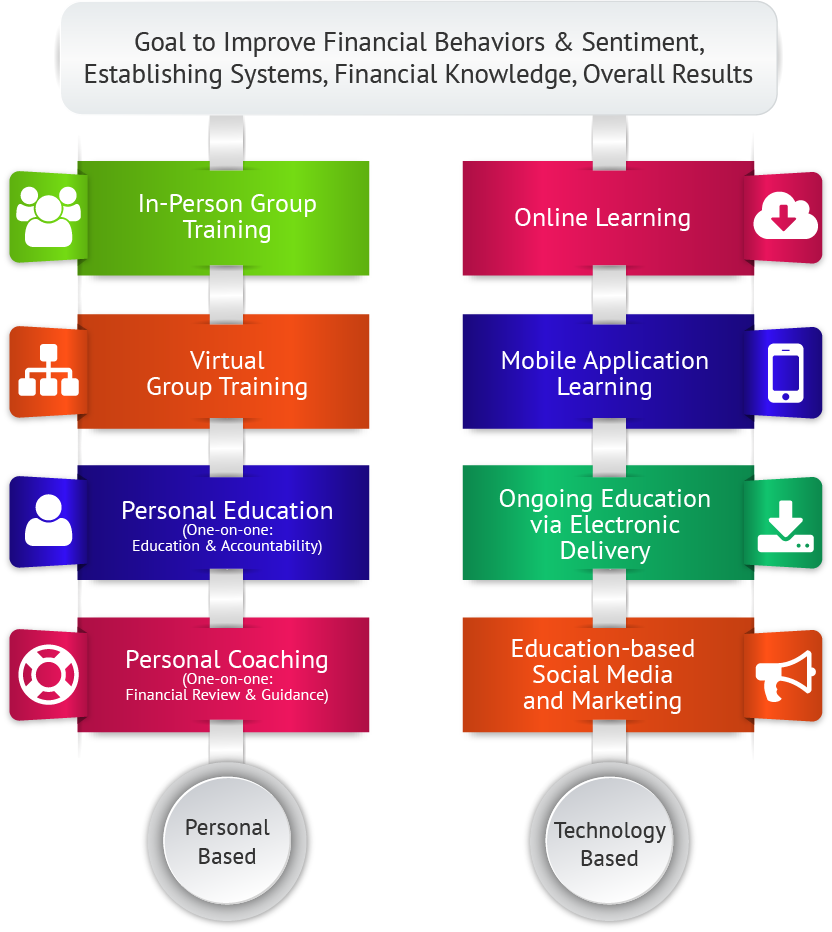
A growth-oriented financial perspective means seeing money as a tool for empowerment rather than a source of stress. It involves embracing continuous learning, adapting to change, and making decisions that align with long-term goals. In 2025, with inflation still a pressing concern and economic volatility on the rise, this mindset becomes even more essential. Americans are facing higher debt levels, with total household debt reaching $18.59 trillion in Q3 2025, according to the Federal Reserve. Credit card debt alone has climbed to $1.23 trillion, while student loan balances have hit $1.65 trillion. These figures underscore the need for a more strategic and resilient approach to personal finance.
But it's not just about avoiding debt—it's about building systems that allow you to grow financially over time. A growth-oriented perspective encourages you to think beyond immediate needs and consider how your choices today will impact your future. This could mean investing in education, developing new skills, or making informed decisions about retirement savings.
Key Principles of a Growth-Oriented Financial Perspective
1. Embrace Continuous Learning
One of the most powerful aspects of a growth-oriented financial perspective is the commitment to lifelong learning. Unlike traditional financial advice that often focuses on quick fixes, a growth mindset emphasizes ongoing education. This includes understanding market trends, staying informed about economic shifts, and expanding your knowledge of investment strategies.
For example, many people avoid investing due to fear or lack of knowledge. However, by taking free online courses, reading books, or following financial podcasts, you can gain the confidence needed to make informed decisions. Platforms like Coursera, edX, and Khan Academy offer accessible resources that can help you build a solid foundation in financial literacy.
2. Focus on Long-Term Goals

A growth-oriented financial perspective prioritizes long-term planning over short-term gains. This means setting clear, achievable goals and creating a roadmap to reach them. Whether it's saving for retirement, buying a home, or building an emergency fund, having a structured plan helps you stay focused and motivated.
Consider the story of Lin, a graphic designer who once believed she was "terrible with money." By shifting her mindset and focusing on long-term goals, she transformed her financial situation. She started by tracking her expenses, creating a budget, and gradually paying off her credit card debt. Within 18 months, she had built an emergency fund and improved her overall financial health. Her journey highlights the power of consistent, goal-driven action.
3. Practice Financial Resilience
Financial resilience is the ability to adapt to unexpected challenges without losing sight of your long-term goals. This includes having an emergency fund, diversifying investments, and being prepared for economic downturns. In 2025, with rising interest rates and market fluctuations, resilience is more important than ever.
For instance, if you face a sudden job loss or medical emergency, having a well-funded emergency reserve can prevent you from falling into debt. Additionally, maintaining a diversified investment portfolio can help mitigate risks and ensure steady growth over time.
4. Cultivate Emotional Intelligence
Emotional intelligence plays a crucial role in financial decision-making. It involves recognizing and managing your emotions, especially when it comes to spending and investing. A growth-oriented perspective encourages you to approach financial decisions with mindfulness and self-awareness.
For example, instead of making impulsive purchases during times of stress, you might choose to pause and reflect on whether the purchase aligns with your long-term goals. Similarly, when faced with market volatility, emotional intelligence can help you avoid panic selling and stick to your investment strategy.
Practical Steps to Build a Growth-Oriented Financial Perspective

1. Set Clear Financial Goals
Start by defining what you want to achieve financially. Use the SMART (Specific, Measurable, Achievable, Relevant, Time-bound) framework to create actionable goals. For example, instead of saying "I want to save more," set a goal like "I will save $20,000 in three years by setting aside $550 monthly."
2. Create a Budget and Track Spending
Budgeting is a fundamental step in developing a growth-oriented financial perspective. Use tools like YNAB (You Need a Budget) or PocketGuard to track your income and expenses. This helps you identify areas where you can cut back and redirect funds toward your goals.
3. Invest in Yourself
Investing in your education and skills can yield significant long-term returns. Whether it's taking a course, attending a workshop, or pursuing a certification, enhancing your expertise can lead to better job opportunities and higher earning potential.
4. Diversify Your Investments
Diversification is key to minimizing risk and maximizing growth. Consider a mix of stocks, bonds, mutual funds, and real estate to create a balanced portfolio. Regularly review and adjust your investments based on market conditions and your financial goals.
5. Build an Emergency Fund
An emergency fund acts as a financial safety net. Aim to save at least three to six months' worth of living expenses. This provides peace of mind and prevents you from relying on high-interest debt during unexpected situations.
Common Questions and Practical Insights
What if I’m Not Good with Money?
It's common to feel overwhelmed by financial responsibilities, but it's never too late to improve. Start by educating yourself through free resources and small, consistent actions. Remember, financial skills can be learned and developed over time.
How Do I Stay Motivated?
Staying motivated requires celebrating small wins and keeping your long-term goals in focus. Track your progress regularly and reward yourself for milestones achieved. Surround yourself with supportive communities and seek inspiration from others who have successfully built their financial independence.
Can I Still Grow My Wealth If I Have Debt?
Yes, but it's important to manage debt strategically. Prioritize high-interest debt and consider repayment plans that reduce your financial burden. Once you've made progress on debt, you can redirect funds toward investments and savings.
Conclusion
Developing a growth-oriented financial perspective is a transformative process that requires commitment, patience, and continuous learning. By focusing on long-term goals, practicing financial resilience, and cultivating emotional intelligence, you can build a stronger relationship with money and achieve lasting financial success. In a world where economic challenges are ever-present, this mindset equips you with the tools and confidence needed to navigate uncertainty and thrive in the long run. Start small, stay consistent, and remember that your financial potential is limitless.

Post a Comment for "How to Develop a Growth-Oriented Financial Perspective for Long-Term Success"
Post a Comment