How to Design Your Ideal Wealthy Personal Future: A Step-by-Step Guide
In a world where financial uncertainty is increasingly common, the idea of designing your ideal wealthy personal future might seem like a distant dream. But with the right mindset, strategies, and tools, it’s entirely achievable. Whether you’re just starting out or looking to refine your financial plan, this guide will walk you through the essential steps to create a future that aligns with your values, goals, and aspirations.
Get Clear on the Vision

The first step in designing your ideal wealthy personal future is to define what that future looks like. This isn’t about setting vague goals; it’s about creating a vivid, detailed picture of the life you want to live. Ask yourself: Where do I see myself in five years? What kind of work am I doing? What relationships are most important to me? What daily routines bring me joy?
Visualizing your future can be done through journaling, vision boards, or even storytelling. The key is to make it as real as possible. When you have clarity, you’re more likely to take consistent action toward your goals.
Define Your Financial Goals
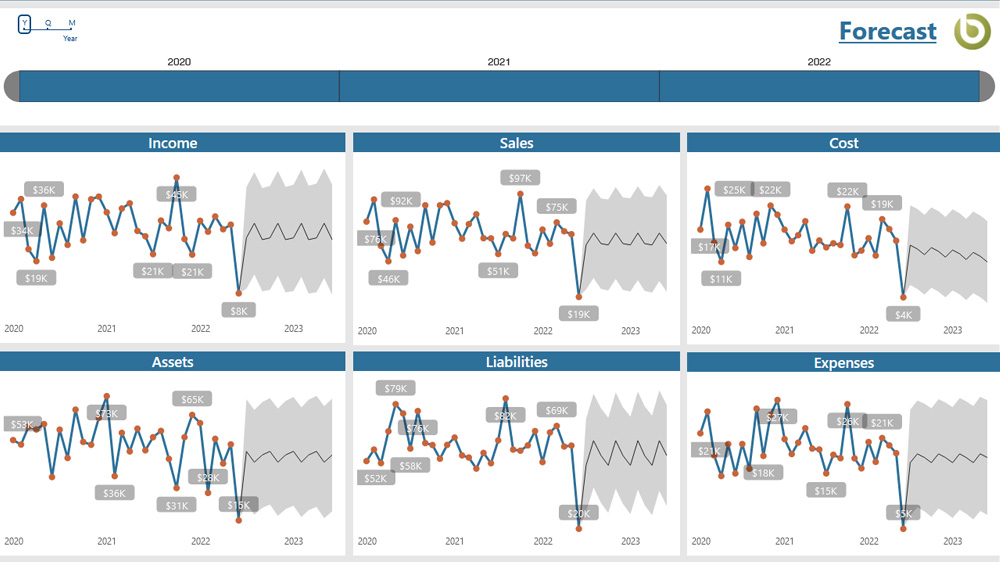
Once you have a clear vision, it’s time to set specific, measurable financial goals. These should include both short-term and long-term objectives. For example, you might aim to save $10,000 for an emergency fund within a year, or to retire by age 60 with a nest egg of $2 million.
Use the SMART framework—Specific, Measurable, Achievable, Relevant, and Time-bound—to ensure your goals are realistic and actionable. Break them down into smaller milestones so you can track your progress and stay motivated.
Build a Strong Financial Foundation
A solid foundation is crucial for long-term wealth. Start by creating a budget that reflects your income, expenses, and savings goals. Use the 50/30/20 rule as a starting point: 50% of your income for needs, 30% for wants, and 20% for savings and debt repayment.
Track your net worth regularly to understand how your assets and liabilities are evolving. This will help you identify areas where you can improve your financial health.
Pay Attention to Interest Rates

Interest rates play a significant role in your financial journey. Whether you're managing debt or saving money, understanding how interest works can save you thousands over time. Prioritize paying off high-interest debt first, such as credit card balances, and look for savings accounts with competitive interest rates.
Automate your bill payments and savings contributions to avoid late fees and ensure consistency. Tools like apps and online calculators can help you manage your finances more effectively.
Invest in Yourself
One of the most powerful ways to build wealth is by investing in your education and skills. Whether it's taking a course, attending a workshop, or learning a new language, continuous learning can open doors to better-paying jobs and career advancement.
Consider consulting a financial advisor or mentor who can provide personalized guidance based on your unique situation. Their expertise can help you navigate complex financial decisions and avoid common pitfalls.
Create Multiple Income Streams
Relying on a single source of income can be risky, especially in today’s unpredictable economy. Diversify your income streams by exploring side gigs, freelancing, or investing in passive income opportunities such as real estate or stocks.
This not only increases your earning potential but also provides a safety net in case of unexpected challenges. Look for opportunities that align with your interests and strengths, and don't be afraid to experiment.
Develop Healthy Financial Habits
Building wealth requires discipline and consistency. Develop healthy financial habits such as tracking your spending, avoiding impulse purchases, and living within your means. These habits may seem small, but they compound over time and lead to significant results.
Set up automatic transfers to your savings account to ensure you’re consistently building your wealth. Avoid lifestyle inflation by keeping your expenses in check as your income grows.
Protect Your Assets
Insurance is an essential part of any financial plan. Ensure you have adequate coverage for health, life, and property to protect your assets from unexpected events. Review your policies annually to make sure they meet your current needs.
Consider setting up an emergency fund with at least three to six months’ worth of living expenses. This fund can provide a financial buffer during times of crisis and prevent you from relying on high-interest debt.
Stay Informed and Adapt
The financial landscape is constantly changing, so it’s important to stay informed about economic trends, market conditions, and new investment opportunities. Follow reputable financial news sources, read books on personal finance, and engage with communities that share your interests.
Be open to adapting your financial strategy as needed. Life circumstances change, and your plan should reflect those changes. Regularly review and adjust your goals and methods to stay on track.
Common Questions or Practical Insights
Q: How do I know if I’m on track to achieve my financial goals?
A: Track your net worth and compare it to your goals. If you’re consistently saving and investing, you’re likely on the right path. If not, reassess your budget and find areas for improvement.
Q: What should I do if I face unexpected financial challenges?
A: Stay calm and prioritize your needs. Use your emergency fund if necessary, and consider adjusting your budget or seeking professional advice to navigate the situation.
Q: Can I still build wealth if I start later in life?
A: Absolutely. While starting early gives you more time to grow your wealth, it’s never too late to begin. Focus on disciplined saving, smart investing, and continuous learning to build a secure financial future.
Conclusion
Designing your ideal wealthy personal future is not about chasing wealth for its own sake—it’s about creating a life that aligns with your values and brings you fulfillment. By setting clear goals, building a strong financial foundation, and developing healthy habits, you can take control of your financial destiny.
Remember, wealth is not just about money; it’s about freedom, security, and the ability to live the life you desire. With the right mindset and strategies, you can design a future that reflects your truest self. Start today, and take one step at a time toward the life you’ve always dreamed of.

Post a Comment for "How to Design Your Ideal Wealthy Personal Future: A Step-by-Step Guide"
Post a Comment