How to Design a Pathway to Affluence: Strategies for Long-Term Financial Success
In the United States, the pursuit of financial success is more than just a goal—it’s a journey that requires thoughtful planning, discipline, and adaptability. While many people dream of sudden wealth or overnight success, the reality is that building lasting affluence is a gradual process. It involves making intentional decisions about income, savings, investments, and personal growth. Whether you're just starting out or looking to refine your approach, designing a pathway to affluence is achievable with the right mindset and strategies.
The Foundation: Earning and Managing Income

The first step in creating a pathway to affluence is earning money. While this may seem obvious, it's crucial to understand that consistent income is the bedrock of financial stability. However, it's not just about making money—it's about making smart choices about how you earn it.
According to recent data from the U.S. Bureau of Labor Statistics, individuals who align their careers with their passions and strengths tend to experience higher job satisfaction and long-term earnings potential. This is supported by research showing that people who pursue work that resonates with their values often report greater life satisfaction and resilience during economic downturns.
To maximize your earning potential, consider investing in education and skill development. Whether through formal degrees, industry certifications, or online courses, enhancing your human capital can lead to better-paying opportunities. However, it's also important to be mindful of student debt, as excessive borrowing can hinder your financial progress.
Setting Clear Financial Goals
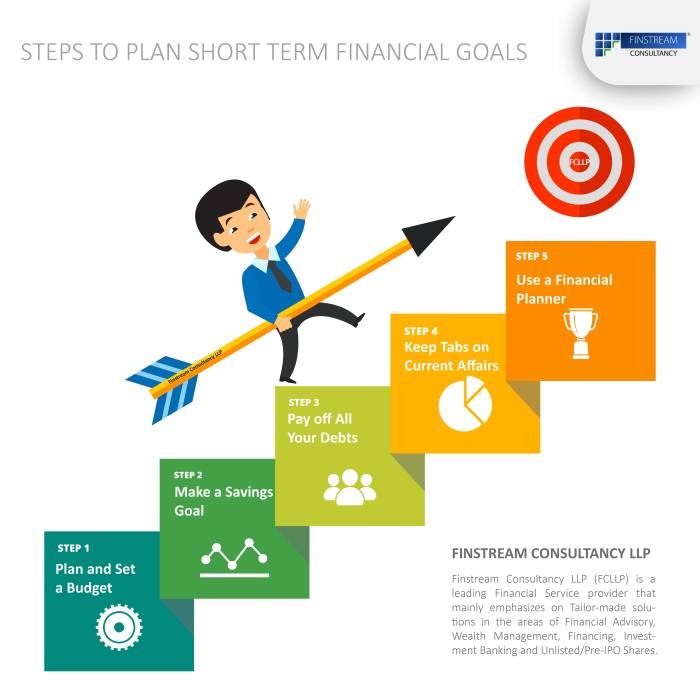
Once you have a stable income, the next step is to set clear financial goals. These should be specific, measurable, and time-bound. For example, instead of saying, "I want to save more," aim for something like, "I want to save $10,000 in six months."
Financial experts recommend using the SMART goal framework (Specific, Measurable, Achievable, Relevant, Time-bound) to create effective plans. This helps you stay focused and track your progress over time. Whether your goal is to buy a home, start a business, or retire early, having a roadmap ensures you're working toward something meaningful.
Regularly reviewing and adjusting your goals is equally important. Life circumstances change, and so should your financial strategy. A study by the National Endowment for Financial Education found that individuals who review their budgets monthly are more likely to meet their financial objectives.
Saving and Building an Emergency Fund
Saving is one of the most powerful tools in your financial arsenal. However, it's not just about setting aside money—it's about doing it consistently. The key is to automate your savings so that it becomes a habit rather than an afterthought.
A common recommendation is to save at least 10–20% of your income. But even small amounts can add up over time, especially when compounded through interest. High-yield savings accounts (HYSAs) offer significantly better returns than traditional savings accounts, making them a smart choice for short-term savings.
Equally important is building an emergency fund. Financial advisors typically suggest having three to six months' worth of living expenses saved in a separate account. This provides a safety net for unexpected events such as medical bills, job loss, or car repairs. Without this buffer, you risk falling into high-interest debt, which can derail your financial progress.
Investing for Growth
While saving is essential, it's investing that truly accelerates wealth-building. The key principle here is diversification—spreading your money across different types of assets to minimize risk.
In 2025, the investment landscape continues to evolve, with increased interest in sustainable and impact investing. According to a report by Morningstar, nearly 40% of U.S. investors now prioritize environmental, social, and governance (ESG) factors in their portfolios. This trend reflects a growing awareness of the long-term value of responsible investing.
For beginners, index funds and exchange-traded funds (ETFs) are excellent starting points. They offer broad market exposure with lower fees compared to actively managed funds. Additionally, retirement accounts like 401(k)s and IRAs provide tax advantages that can significantly boost your long-term returns.
Protecting Your Wealth
Building wealth is only half the battle—protecting it is just as important. Insurance plays a critical role in safeguarding your assets against unforeseen events. Essential types of insurance include health, auto, home, and life insurance.
One often-overlooked aspect is disability insurance. As the cost of living continues to rise, the risk of income loss due to illness or injury is a real concern. Experts recommend securing coverage early, as premiums increase with age and health risks.
Tax planning is another vital component of wealth protection. By understanding your tax obligations and leveraging tax-advantaged accounts, you can reduce your overall tax burden. For instance, contributing to a Roth IRA allows your investments to grow tax-free, providing significant benefits in the long run.
Managing Debt Wisely
Debt can either be a tool or a hindrance, depending on how it's used. Credit card debt, in particular, can be a major obstacle to financial freedom if not managed carefully. High-interest rates can quickly erode your savings and limit your ability to invest.
The best strategy is to pay off high-interest debt as soon as possible. This includes credit cards, personal loans, and other forms of consumer debt. Once these are under control, you can redirect that money toward savings and investments.
Maintaining a good credit score is also crucial. A strong credit history can help you secure lower interest rates on loans and better terms on mortgages or car financing. To build and maintain good credit, always pay your bills on time, keep your credit utilization low, and monitor your credit report regularly.
Embracing a Mindset of Abundance
Finally, designing a pathway to affluence isn't just about numbers and spreadsheets—it's about mindset. True wealth goes beyond material possessions; it includes emotional well-being, meaningful relationships, and a sense of purpose.
Research shows that individuals who focus on intrinsic goals—such as personal growth, relationships, and self-fulfillment—tend to experience greater long-term happiness. This shift in perspective can lead to more mindful spending, better financial habits, and a deeper appreciation for what you already have.
By redefining success on your own terms, prioritizing personal growth, and cultivating meaningful connections, you're not just building wealth—you're building a life of fulfillment and security.
Common Questions and Practical Insights
Q: Should I pay off debt or invest?
If you have high-interest debt, such as credit card balances, it usually makes sense to pay it off before investing. The interest on these debts can outweigh the returns from most investments.
Q: How much should I save each month?
Financial experts recommend saving at least 10–20% of your income. Even small contributions can add up over time, especially when invested wisely.
Q: What’s the best way to start investing?
Begin with low-cost index funds or ETFs, which offer broad market exposure. Consider consulting a financial advisor to tailor your strategy to your goals and risk tolerance.
Conclusion
Designing a pathway to affluence is a journey that requires patience, discipline, and a commitment to continuous learning. By focusing on earning, saving, investing, and protecting your wealth, you can build a solid foundation for long-term financial success. Remember, true affluence is not just about money—it's about the freedom to live life on your terms. With the right strategies and mindset, you can turn your financial goals into reality.
Post a Comment for "How to Design a Pathway to Affluence: Strategies for Long-Term Financial Success"
Post a Comment