How to Create a Detailed Plan for Financial Tranquility: A Step-by-Step Guide
In today’s ever-changing economic landscape, achieving financial tranquility is more important than ever. Whether you're just starting out or looking to refine your existing strategy, creating a detailed plan for financial stability can be the key to long-term success. With the right approach, you can take control of your money, reduce stress, and build a secure future. This guide will walk you through the essential steps to create a comprehensive financial plan tailored to your unique needs.
Assess Your Current Financial Situation
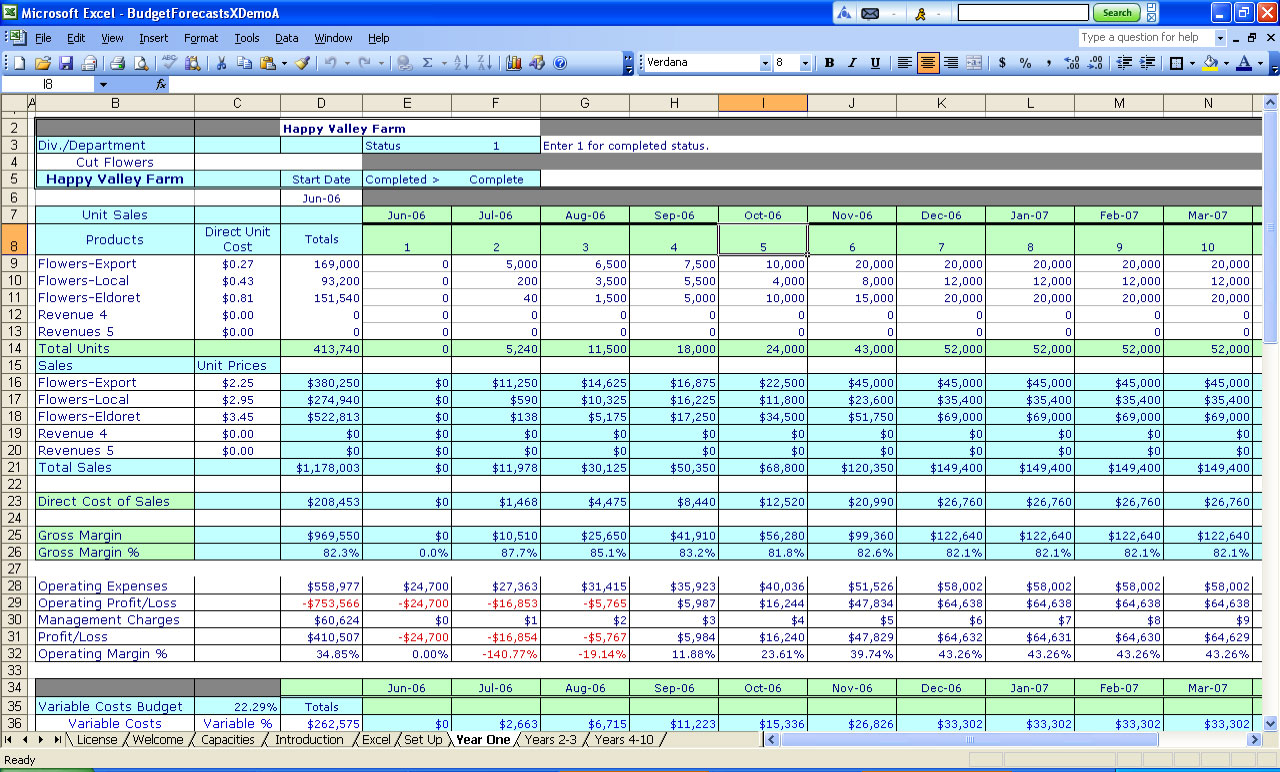
The first step in creating a detailed plan for financial tranquility is to take an honest look at where you stand financially. Begin by listing all your income sources, including your salary, side hustle earnings, and any passive income. Then, account for your assets, such as cash in checking and savings accounts, retirement funds, and property equity.
Next, evaluate your debts. This includes credit card balances, student loans, car payments, and any other obligations. Understanding your debt-to-income ratio will help you determine how much you can realistically allocate toward savings and investments.
To get a clear picture of your spending habits, track your expenses for at least a month using a budgeting app or spreadsheet. Categorize your spending into essentials (rent, utilities, groceries), debt payments, and discretionary items (entertainment, dining out). This process will reveal patterns and areas where you might be able to cut back.
Set Clear and Measurable Financial Goals

Once you have a clear understanding of your financial situation, it's time to define your goals. These should be specific, measurable, and achievable. Short-term goals might include paying off credit card debt or saving for a vacation, while long-term goals could involve buying a home or planning for retirement.
Break down each goal into smaller, manageable steps. For example, if your goal is to save $5,000 for a down payment on a house within a year, calculate how much you need to save each month. Setting timelines helps you stay accountable and track your progress over time.
Prioritize your goals based on urgency and importance. High-interest debt, for instance, should be addressed before saving for a vacation. By focusing on what matters most, you can make meaningful strides toward financial stability.
Create a Realistic Budget
A well-structured budget is essential for managing your finances effectively. Start by allocating funds for your essential expenses, such as housing, utilities, and groceries. Next, set aside money for debt repayment and savings. Finally, assign a portion of your income to discretionary spending, but be mindful of not overspending.
There are several budgeting methods you can use. The 50/30/20 rule suggests dividing your income into 50% for essentials, 30% for wants, and 20% for savings and debt. Alternatively, zero-based budgeting assigns every dollar a purpose, giving you complete control over your spending.
Build an Emergency Fund
Unexpected expenses can derail even the best-laid financial plans. That’s why building an emergency fund is crucial. Aim to save three to six months of living expenses in an easily accessible account. If this seems overwhelming, start with a smaller goal, such as $1,000, and gradually increase your savings.
Place your emergency fund in a separate account to avoid the temptation to spend it on non-emergencies. High-yield savings accounts can offer interest while keeping your money liquid. If you do need to use your emergency fund, replenish it as soon as possible to maintain your financial safety net.
Save and Invest for the Future
After establishing an emergency fund, focus on long-term savings and investments. Retirement accounts, such as 401(k)s or IRAs, are excellent tools because they offer tax advantages and allow for compound growth over time. Take full advantage of employer matching contributions whenever possible.
Beyond retirement, consider investing in college funds, real estate, or other ventures that align with your financial goals. Diversify your investments across stocks, bonds, mutual funds, and index funds to balance risk and return. Regularly review your investment portfolio to ensure it remains aligned with your risk tolerance and financial timeline.
Monitor and Adjust Your Plan
Financial planning is an ongoing process. Life circumstances, income levels, and goals can change over time, so it's important to regularly review and adjust your plan. Schedule a financial check-up at least once a year to evaluate your spending, debt, savings, and investments.
Use tools like financial apps or spreadsheets to simplify this process. Minor adjustments and consistent monitoring can yield substantial improvements in your financial stability and confidence.
Common Mistakes to Avoid
Even with the best intentions, individuals often make mistakes in their financial planning. One common pitfall is neglecting to set clear goals. Without specific targets, it's difficult to create a focused financial plan. Another mistake is ignoring debt, which can hinder financial progress. Additionally, failing to diversify investments increases risk, and not reviewing your plan regularly can lead to missed opportunities.
Frequently Asked Questions
Q: What is financial planning for individuals?
A: Financial planning involves creating a strategy to manage your money effectively, including budgeting, saving, and investing.
Q: Why is financial planning important?
A: It helps achieve financial goals, ensures security, and promotes informed decision-making.
Q: What are the key components of a financial plan?
A: Key components include setting goals, tracking expenses, creating a savings strategy, managing debt, and planning for insurance.
Q: How can I start my financial planning journey?
A: Begin by assessing your current financial situation, setting clear goals, and creating a budget to track your income and expenses.
Conclusion
Creating a detailed plan for financial tranquility is a powerful way to take control of your money and build a secure future. By assessing your current situation, setting clear goals, creating a realistic budget, building an emergency fund, and investing for the future, you can navigate the complexities of personal finance with confidence. Remember, financial planning is an ongoing process that requires regular review and adjustment. With dedication and consistency, you can achieve long-term financial stability and peace of mind.

Post a Comment for "How to Create a Detailed Plan for Financial Tranquility: A Step-by-Step Guide"
Post a Comment