How to Build E-Commerce Strategies That Generate Immense Wealth
In today’s digital age, the e-commerce landscape is evolving at an unprecedented pace. With more consumers shopping online than ever before, the potential for wealth creation through e-commerce has never been greater. But how do you turn this opportunity into a sustainable source of income? The answer lies in building effective e-commerce strategies that not only attract customers but also drive long-term profitability.
The global e-commerce market is projected to reach $8.1 trillion by 2026, up from $5.7 trillion in 2023. This growth presents a golden opportunity for entrepreneurs and businesses willing to adapt and innovate. However, success doesn’t come from just setting up a website—it requires a well-thought-out strategy that leverages modern tools, data-driven decisions, and customer-centric approaches.
Understanding the Core Models of E-Commerce
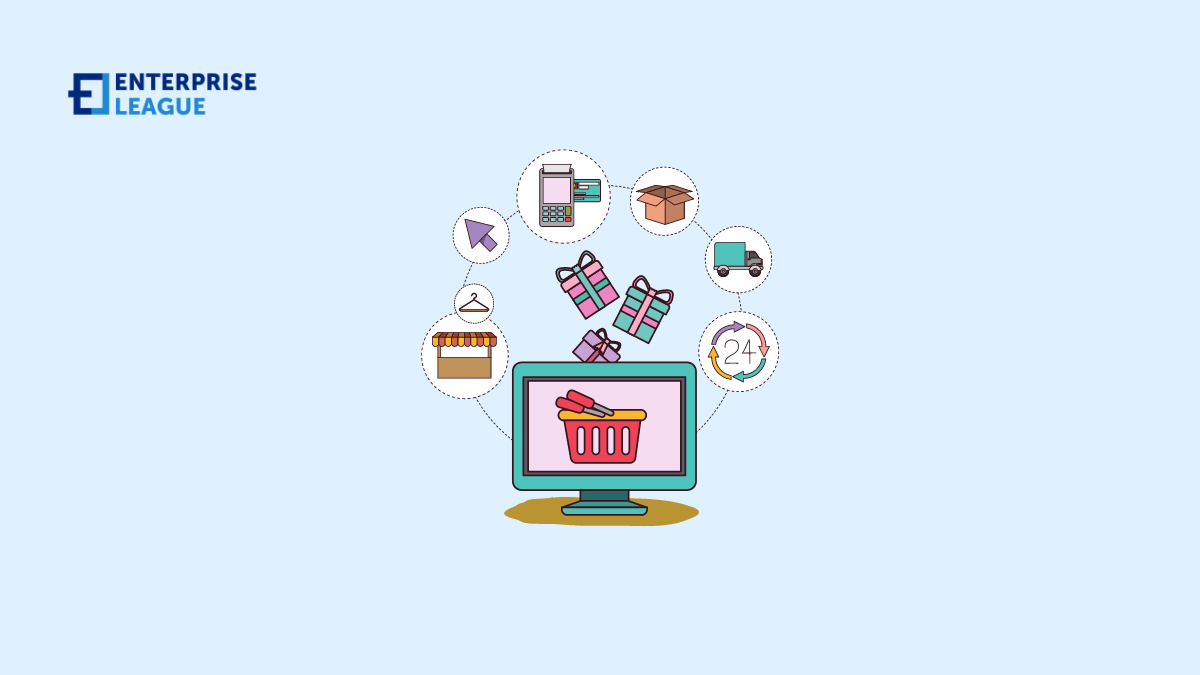
Before diving into strategies, it's essential to understand the different models that underpin e-commerce. These models determine how businesses generate revenue and scale their operations.
-
Creating & Selling a Product
This model involves developing your own products, from ideation to manufacturing and marketing. While it offers full control over the brand and product quality, it requires significant upfront investment and expertise. Brands like Apple and Nike have built empires using this approach, leveraging their own production and distribution networks. -
Dropshipping & Wholesale
Dropshipping allows you to sell products without holding inventory. When a customer places an order, you forward it to a supplier who ships the item directly to the buyer. This model is ideal for startups with limited capital. On the other hand, wholesale involves buying products in bulk from manufacturers and reselling them at a markup. It offers higher profit margins but requires more working capital. -
White Label & Private Label
White labeling involves purchasing generic products and rebranding them for resale. Private labeling takes this a step further by offering exclusive products that no one else can sell. Both models are cost-effective and allow brands to enter the market quickly, but they require careful selection of suppliers and a strong brand identity.
Each of these models has its pros and cons, and the choice depends on your business goals, resources, and market positioning. The key is to align your model with your long-term vision.
Choosing the Right Sales Channels
Once you’ve decided on your business model, the next step is selecting the right sales channels. These are the platforms where your products will be sold, and they play a crucial role in reaching your target audience.
- Your Own E-Commerce Site: A custom-built website gives you full control over branding, user experience, and customer data. Platforms like Shopify, WooCommerce, and BigCommerce make it easy to set up and manage your store.
- General Marketplaces: Amazon, eBay, and Walmart are some of the most popular marketplaces. They offer access to a large customer base but come with fees and competition.
- Social Media: Platforms like Instagram, Facebook, and TikTok are increasingly being used for social commerce. Features like shoppable posts and live streaming enable direct sales.
- Niche Marketplaces: Sites like Etsy and eBay cater to specific audiences, making them ideal for unique or handmade products.
Diversifying your sales channels helps reduce risk and increases your visibility. However, it’s important to focus on the channels that align with your brand and target audience.
Optimizing Your E-Commerce Tech Stack
A robust tech stack is the backbone of any successful e-commerce business. It includes all the tools and platforms that help you manage your operations, from website hosting to customer relationship management (CRM).
- E-Commerce Platform: Choose a platform that supports your business needs. Shopify and Magento are popular choices for their flexibility and scalability.
- Analytics Tools: Tools like Google Analytics and Peel provide insights into customer behavior, helping you make data-driven decisions.
- Marketing Tools: Email marketing, social media management, and ad platforms like Klaviyo and Canva help you engage with your audience effectively.
- Customer Support Tools: Real-time chat tools like Gorgias and Zendesk ensure a seamless customer experience.
- Inventory Management: Software like TradeGecko and Zoho Inventory helps you track stock levels and avoid overselling.
By integrating these tools, you can automate repetitive tasks, improve efficiency, and focus on growing your business.
Building a Data-Driven Marketing Strategy
Marketing is the lifeblood of e-commerce. Without it, even the best products won’t sell. A data-driven approach ensures that your marketing efforts are targeted, measurable, and effective.
- Search Engine Optimization (SEO): Optimize your website for search engines to attract organic traffic. Use keyword research, on-page SEO, and content marketing to improve your rankings.
- Social Media Marketing: Leverage platforms like Instagram and TikTok to build brand awareness and engage with your audience. User-generated content and influencer partnerships can boost credibility.
- Email Marketing: Build relationships with your customers through personalized email campaigns. Segmentation and automation tools like Klaviyo help you deliver the right message at the right time.
- Retargeting Ads: Use retargeting to re-engage visitors who didn’t complete a purchase. This can significantly increase conversion rates.
Combining these strategies creates a comprehensive marketing funnel that drives traffic, converts leads, and retains customers.
Leveraging Advanced Techniques for Growth
As your e-commerce business grows, you’ll need advanced techniques to stay ahead of the competition. These include:
- Cross-Selling and Upselling: Recommend complementary products or premium versions of items in a customer’s cart. This increases average order value and boosts revenue.
- Subscription Models: Offer recurring payments for products or services. This provides a steady stream of income and improves customer retention.
- Personalization: Use data to tailor the shopping experience for each customer. Personalized recommendations and dynamic content enhance engagement and loyalty.
- Customer Retention: Focus on retaining existing customers through loyalty programs, exclusive offers, and exceptional service. Repeat customers spend more and are cheaper to acquire.
These techniques not only drive immediate sales but also build long-term customer relationships that contribute to sustained wealth.
Conclusion
Building e-commerce strategies that generate immense wealth requires a combination of smart planning, effective execution, and continuous adaptation. From choosing the right business model to leveraging the latest tools and techniques, every decision plays a role in your success.
The e-commerce landscape is constantly changing, and staying ahead means embracing innovation and learning from both successes and failures. By focusing on customer needs, optimizing operations, and using data to guide your decisions, you can create a thriving online business that generates lasting wealth.
Start today by evaluating your current strategies, identifying areas for improvement, and taking actionable steps toward growth. The future of e-commerce is bright, and with the right approach, you can be part of the next generation of successful online entrepreneurs. 


Post a Comment for "How to Build E-Commerce Strategies That Generate Immense Wealth"
Post a Comment