How to Build and Maintain Exceptional Wealth Through Smart Financial Planning

In the United States, building and maintaining exceptional wealth is no longer just about earning a high income—it's about making smart financial decisions that compound over time. Whether you're starting from scratch or looking to grow an existing portfolio, the principles of effective financial planning remain crucial. The right strategies can help you navigate market fluctuations, protect your assets, and create lasting financial security.
Financial planning for exceptional wealth isn't just for the ultra-rich. It's a mindset, a discipline, and a set of actionable steps that anyone with ambition and foresight can adopt. In this article, we’ll explore how to build and maintain extraordinary wealth through strategic financial planning, including goal setting, budgeting, debt management, and investment strategies.
Setting Clear Financial Goals

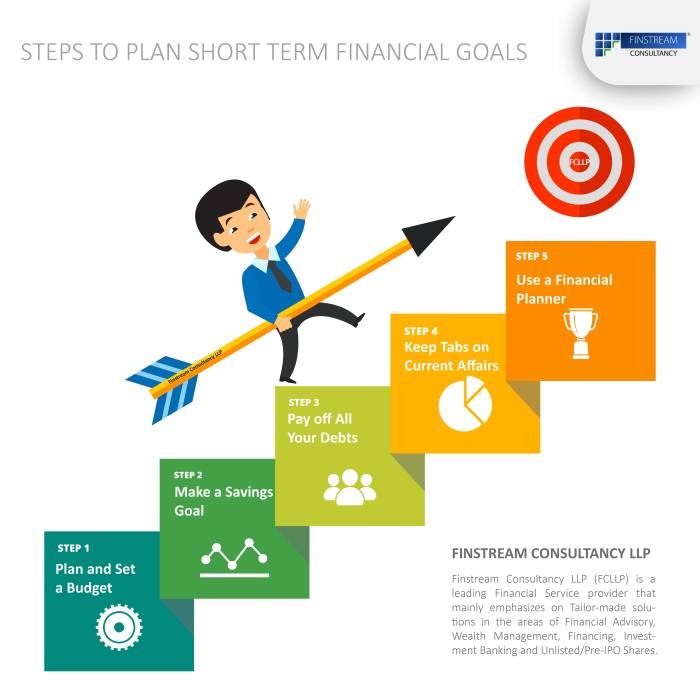
The foundation of any successful financial plan begins with clear, well-defined goals. Without them, it’s easy to drift financially, overspend, or miss out on opportunities. Financial goals can be short-term, mid-term, or long-term, and each requires a different approach.
Short-term goals might include building an emergency fund or paying off credit card debt, while mid-term goals could involve saving for a home down payment or paying off student loans. Long-term goals often revolve around retirement, estate planning, or creating generational wealth.
As Noah Damsky, founder of Marina Wealth Advisors, explains, "You have to plan early and figure out what's most important to you—maybe it's figuring out a budget or sending your kids to college. The earlier you get clear on these priorities, the earlier you can actually start planning for where you want to go—and the more likely it is that you'll succeed."
Using the SMART framework (Specific, Measurable, Achievable, Relevant, Time-bound) ensures your goals are realistic and trackable. For example, instead of saying “I want to save more money,” aim for “I will save $30,000 for a down payment on a house in five years by setting aside $500 per month.”
Budgeting and the 50/30/20 Rule
A strong budget is the cornerstone of any financial plan. It helps you understand where your money is going and ensures you’re allocating funds toward your goals. One popular method is the 50/30/20 rule:
- 50% of your income goes toward needs like housing, utilities, and groceries.
- 30% is for wants such as entertainment, travel, and dining out.
- 20% is for savings and debt repayment.
This approach simplifies budgeting without sacrificing flexibility. However, not everyone finds this rule ideal. Some prefer the “pay yourself first” strategy, where you prioritize savings and investments before covering other expenses.
Daniel Milks, founder of Woodmark Wealth Management, says, “There's a stigma to budgeting where people think it's boring and you need to list out every single dollar on a spreadsheet, but it really doesn't have to be that hard.” Tools like Mint or YNAB can help automate the process and make it easier to stay on track.
Building an Emergency Fund
An emergency fund is one of the most critical components of financial stability. It acts as a safety net during unexpected events like job loss, medical emergencies, or major car repairs. Experts recommend saving at least three to six months’ worth of essential expenses. For self-employed individuals or those with irregular income, aiming for 12 months is advisable.
Once you determine your target amount, calculate how much you can save each month and set up automatic transfers to a high-yield savings account. This ensures you’re consistently building your cushion without the temptation to spend it.
Managing Debt Strategically
Debt can either be a tool or a burden, depending on how it's managed. High-interest debt, such as credit card balances, should be prioritized for repayment due to its compounding nature. Strategies like the avalanche method (focusing on high-interest debts first) or the snowball method (paying off smaller debts first for momentum) can be effective.
However, not all debt is bad. Low-interest mortgages or student loans can provide long-term benefits by freeing up cash for other investments. As Damsky notes, “A low-interest mortgage can be a financial tool because it frees up money for smart high-yield investments.”
Investing for Long-Term Growth
Investing is a key driver of wealth creation. While the stock market can be volatile, a well-diversified portfolio can help mitigate risk and generate consistent returns over time. Traditional portfolios often follow a 60/40 stock-bond mix, but many investors are now exploring alternative investments like private equity, real estate, or commodities to enhance diversification.
With the rise of robo-advisors and AI-powered financial tools, it's easier than ever to access personalized investment advice. However, it's still important to consult with a financial advisor to ensure your strategy aligns with your goals and risk tolerance.
Automating Savings and Investments
One of the most effective ways to stay on track with your financial plan is to automate savings and investments. Setting up automatic transfers to your retirement accounts, high-yield savings, or investment portfolios ensures consistency and reduces the temptation to spend.
As Milks explains, “Paying yourself first is one of the most effective strategies. Before covering any other expenses, set aside money for savings and investments to ensure your future financial security.”
Regularly Reviewing and Adjusting Your Plan
Life is unpredictable, and so are financial markets. That’s why it’s essential to review and adjust your financial plan regularly. Major life events—like marriage, having children, or changing careers—can impact your financial priorities.
Experts recommend reviewing your plan at least once a year. This allows you to assess progress, make necessary adjustments, and stay aligned with your evolving goals.
Overcoming Common Challenges
Even the best financial plans face setbacks. Procrastination, emotional spending, and underestimating expenses are common pitfalls. To overcome these, consider setting calendar reminders for financial check-ins, establishing spending limits, and using budgeting tools to track your progress.
Additionally, consulting with a financial advisor can help you navigate complex tax implications and optimize your savings and investments.
Final Thoughts
Building and maintaining exceptional wealth through smart financial planning is a journey that requires discipline, adaptability, and long-term vision. By setting clear goals, budgeting effectively, managing debt wisely, and investing strategically, you can create a path to financial freedom.
As Damsky concludes, “The most important step is to start. You can always refine your goals, but having a plan and keeping it in motion is what truly matters.”

Post a Comment for "How to Build and Maintain Exceptional Wealth Through Smart Financial Planning"
Post a Comment