How to Achieve Financial Freedom Through Smart Planning
In a world where financial uncertainty is a constant backdrop, the pursuit of financial freedom has become more than just a dream—it's a necessity. For many, the idea of being able to live life on their own terms, without the stress of money worries, feels like an unattainable ideal. But with the right strategies and mindset, achieving financial freedom is not only possible but within reach for anyone willing to take control of their finances.
Financial freedom through smart planning isn't about accumulating wealth for its own sake; it's about creating a life that aligns with your values and aspirations. It's about having the flexibility to make choices that matter most to you—whether that means spending more time with family, traveling the world, or pursuing a passion project. The key lies in understanding how to build a solid financial foundation and then using that foundation to unlock the opportunities that come with true financial independence.
Understanding the Core of Financial Freedom

The journey to financial freedom begins with a clear understanding of what it truly means. It’s not simply about having a lot of money; it’s about having enough to live according to your values. This realization was a turning point for a couple in their mid-40s who had spent years wondering if they would ever be able to retire. They had saved, made good financial decisions, and lived below their means—but they were still uncertain about their financial future.
What ultimately gave them clarity wasn’t the amount of money they had, but the realization that their core values now dictated the next chapter of their lives. They had the freedom to choose based on what mattered most: spending time with their kids, focusing on health, traveling, and building a legacy. Their story illustrates a powerful truth: financial freedom is less about numbers and more about the quality of life you can create.
Key Steps to Building Financial Freedom
1. Manage Debt Responsibly
Debt can be a major obstacle to financial freedom. Without a plan, it can spiral out of control, leading to long-term financial stress. The first step in managing debt is to understand the total amount you owe and the interest rates on each debt. Prioritize paying off high-interest debt first, often referred to as the avalanche method, which helps reduce long-term costs. Alternatively, the snowball method focuses on paying off smaller balances first for quick motivation.
Making more than the minimum payment whenever possible can significantly reduce the amount of interest you pay over time. Additionally, consider debt consolidation to secure a lower interest rate and simplify payments. Avoid accumulating new debt while paying off existing balances, and keep your credit utilization ratio below 30% to maintain a strong credit score.
2. Set Clear Financial Goals
A strong financial future starts with well-defined goals. Without a plan, money often gets spent impulsively, leaving little for savings or investments. Identify what you want to achieve financially in both the short and long term. Short-term goals might include paying off a credit card, building an emergency fund, or saving for a vacation. Long-term goals could involve buying a home, funding education, or retiring comfortably.
Make your goals specific and measurable. Instead of saying, “I want to save more,” decide on an exact amount and deadline. For example, “I will save $10,000 for a down payment in two years.” Break big goals into smaller steps to stay motivated, and regularly review and adjust them based on life changes or economic conditions.
3. Create a Budget and Track Expenses
A budget provides a clear picture of where your money goes, helping you prioritize needs over wants. Start by listing all sources of income, then track every expense. Fixed costs, like rent and utilities, remain the same, while variable expenses like dining out and entertainment fluctuate. Identify areas where you can reduce without affecting your quality of life. Even minor adjustments like cutting unnecessary subscriptions or cooking at home can lead to significant savings.
Use budgeting methods that work best for you. Some prefer the 50/30/20 rule, where 50% of income covers needs, 30% goes toward wants, and 20% to savings or investments. Others use budgeting apps or spreadsheets to maintain accuracy. Consistency is key—reviewing and adjusting your budget monthly ensures you stay on track.
4. Establish an Emergency Fund
Unexpected expenses can derail even the best financial plans. An emergency fund provides a financial cushion, preventing the need to rely on credit cards or loans during tough times. Aim to save three to six months’ worth of essential expenses, including rent, utilities, groceries, and insurance. If that seems overwhelming, start with a smaller goal, such as $500 or one month’s expenses, and gradually build from there.
Keep emergency savings in a separate, easily accessible account, such as a high-yield savings account. As such, the funds are available when needed without the temptation to spend them on non-emergencies. Avoid dipping into this fund for planned expenses like vacations or holiday shopping.
5. Build and Grow Savings
Savings create financial security and open doors to new opportunities. Start by automating savings. Set up recurring transfers to a dedicated savings account to ensure consistency. Even small contributions add up over time. Save at least 20% of your income, if possible, allocating funds toward different financial goals.
Consider keeping savings in a high-yield account to earn interest while maintaining accessibility. Long-term goals like buying a home or funding education may benefit from different savings vehicles, such as certificates of deposit or money market accounts.
6. Invest in Long-Term Growth
While keeping cash in a savings account provides security, investments offer higher potential returns that outpace inflation. Start by understanding different investment options. For example, stocks offer growth potential but carry risk. Bonds provide stability with lower returns. Mutual funds and exchange-traded funds (ETFs) allow diversification, spreading risk across multiple assets.
Determine your risk tolerance before investing. Younger investors can often take more risks since they have time to recover from market fluctuations. Those closer to retirement may prefer safer investments to protect wealth. Avoid emotional investing influenced by market fluctuations because impulsive reactions can lead to losses.
7. Protect Your Assets and Income
Taking proactive steps to protect your finances prevents major setbacks and keeps your wealth secure. For instance, insurance and estate planning are essential safeguards against unexpected events. Start with health insurance to cover medical expenses and prevent financial hardship. In addition, life insurance ensures loved ones are financially secure in case of unexpected loss. Home, auto, and disability insurance provide additional protection.
Estate planning is another critical step. Writing a will helps distribute your assets according to your wishes. Stay alert for financial scams and identity theft. Use strong passwords, monitor bank statements, and be cautious with personal information.
8. Review and Adjust Your Plan Regularly
Financial planning isn’t a one-time task—it requires ongoing adjustments because life changes, economic shifts, and unexpected events can impact financial goals. Therefore, set aside time at least once a year to evaluate progress. Review savings, investment performance, and debt repayment. Next, adjust your budget if income or expenses change, and update financial goals based on new priorities, such as buying a home or preparing for retirement. On top of that, stay informed about market trends and financial opportunities.
Common Questions and Practical Insights
Q: How do I know if I'm on track for financial freedom?
A: You're on track if you have a clear plan, are consistently saving and investing, and have an emergency fund in place. Regularly reviewing your progress and adjusting your goals as needed will help you stay on course.
Q: What if I don't have a lot of money to start with?
A: Financial freedom doesn’t require a large sum upfront. Starting small and staying consistent is key. Automating savings and making smart financial decisions can lead to significant long-term gains.
Q: Can I achieve financial freedom without a high income?
A: Yes. Financial freedom is more about how you manage your money than how much you earn. Living below your means, prioritizing savings, and making informed financial decisions can help you build a secure future regardless of your income level.
Conclusion
Financial freedom through smart planning is not just about numbers—it's about creating a life that reflects your values and aspirations. It's about having the flexibility to make choices that matter most to you. By managing debt responsibly, setting clear goals, creating a budget, establishing an emergency fund, building savings, investing wisely, protecting your assets, and regularly reviewing your plan, you can take control of your financial future.
Remember, the path to financial freedom isn't about perfection—it's about making smart choices over time. With dedication, discipline, and a clear plan, you can achieve the financial freedom you deserve. Start today, and watch your financial future unfold. 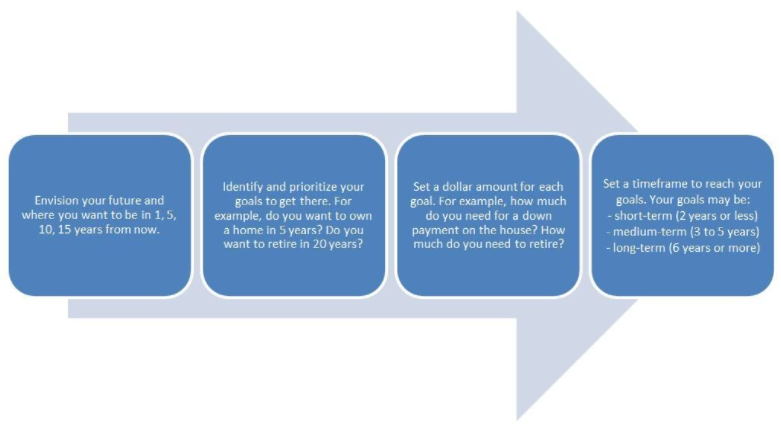


Post a Comment for "How to Achieve Financial Freedom Through Smart Planning"
Post a Comment