How to Achieve and Maintain Permanent Financial Well-Being
In today’s rapidly changing economic landscape, achieving permanent financial well-being is more critical than ever. While many Americans face financial stress, the good news is that with the right strategies, anyone can build a secure financial future. The goal isn’t just about having money—it’s about having control over your financial life, being prepared for unexpected challenges, and ensuring that you can enjoy a stable, fulfilling retirement.
The journey to financial security starts with understanding what it truly means to be financially well. It involves more than just saving; it includes budgeting, investing, managing debt, and planning for the future. With the right mindset and tools, you can create a financial plan that not only protects your current lifestyle but also allows you to grow and thrive in the years ahead.
Start Early and Stay Consistent
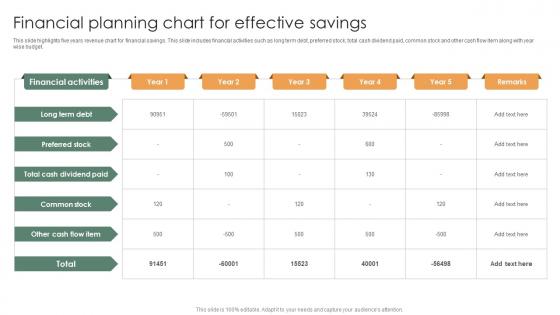
One of the most powerful steps toward financial well-being is starting early. The concept of compound interest is one of the greatest tools in personal finance, and the earlier you begin, the more time your money has to grow. For example, if you start saving $200 a month at age 25, with an average annual return of 7%, you could have over $400,000 by age 65. If you wait until age 35, you’d need to save nearly double that amount each month to reach the same goal.
But even if you're closer to retirement, it's never too late to make a difference. The key is consistency. Treat your savings like a regular expense—automate your contributions to a retirement account or high-yield savings account, and watch your wealth grow over time. This habit not only helps you build a safety net but also reduces the temptation to spend impulsively.
View Savings as a Recurring Expense

Many people struggle with saving because they see it as an optional expense rather than a necessity. However, treating your savings as a recurring bill—like your mortgage or car payment—can help you stay on track. When you set up automatic transfers from your checking account to your savings or investment accounts, you’re less likely to forget or skip a payment.
Additionally, consider using pre-tax contributions to retirement accounts such as a 401(k) or IRA. These accounts offer tax advantages that can significantly boost your long-term savings. By reducing your taxable income now, you’ll have more money available to invest, which can lead to greater returns over time.
Diversify Your Portfolio
Diversification is a cornerstone of sound financial planning. Putting all your money into one investment or asset class increases the risk of losing everything if that particular investment underperforms. Instead, spread your investments across different types of assets—such as stocks, bonds, real estate, and alternative investments—to reduce risk and increase potential returns.
Your portfolio should also align with your age, risk tolerance, and financial goals. Younger investors can afford to take on more risk, while those nearing retirement may prefer more conservative investments. Regularly reviewing and rebalancing your portfolio ensures that it remains aligned with your changing needs and market conditions.
Plan for All Expenses

A common mistake in retirement planning is overlooking unexpected costs. Medical expenses, long-term care, and inflation can all impact your financial stability. To prepare for these scenarios, create a comprehensive budget that includes both essential and discretionary expenses. Consider setting aside emergency funds to cover three to six months of living expenses, and factor in healthcare costs when estimating how much you’ll need to save for retirement.
Also, remember that taxes will play a significant role in your retirement income. A well-structured retirement plan should account for how much you’ll pay in taxes and how to minimize your tax burden through strategic withdrawals and tax-advantaged accounts.
Optimize Your Expenses
Life changes—whether it’s paying off a mortgage, changing jobs, or starting a family—can affect your financial situation. It’s important to regularly reassess your budget and adjust your savings and spending habits accordingly. If your income increases, consider increasing your contributions to retirement accounts or investing in higher-growth opportunities. If your expenses rise, look for ways to cut back without sacrificing your long-term goals.
For married couples, it’s also essential to discuss financial plans together. Ensure that both partners are saving for retirement and understand how shared expenses will impact their financial future. If one spouse hasn’t been saving, it may be necessary to adjust your strategy to ensure both of you are financially secure.
Work with a Financial Planner
While it’s possible to manage your finances on your own, working with a qualified financial planner can provide valuable guidance and personalized advice. A financial planner can help you develop a tailored strategy based on your unique circumstances, goals, and risk tolerance. They can also assist with complex decisions, such as choosing the right investment vehicles, optimizing tax strategies, and planning for retirement.
When selecting a financial planner, look for someone who is certified, experienced, and transparent about their fees. A good planner will act in your best interest and help you navigate the complexities of personal finance with confidence.
Common Questions and Practical Insights
How much do I need to save for financial security?
There’s no one-size-fits-all answer, but the "4% rule" is often used as a guideline. This suggests that if you can withdraw 4% of your retirement savings annually without depleting your principal, you’re likely on track for financial security.
What’s the difference between financial security and financial stability?
Financial stability refers to being free of debt and able to cover monthly expenses. Financial security goes a step further by ensuring you have enough savings to handle emergencies, retire comfortably, and maintain your lifestyle.
How can I protect my financial security?
Key steps include living within your means, diversifying your investments, building an emergency fund, and staying informed about financial trends and risks.
Can I achieve financial freedom in five years?
Yes, but it requires discipline. Focus on cutting expenses, increasing income, and saving aggressively—ideally at least 75% of your income.
Conclusion
Achieving and maintaining permanent financial well-being is a lifelong journey that requires planning, discipline, and adaptability. By starting early, saving consistently, diversifying your investments, and seeking professional guidance when needed, you can build a solid financial foundation that supports you throughout your life. Remember, financial well-being isn’t just about wealth—it’s about peace of mind, security, and the ability to live the life you want. With the right approach, you can turn your financial goals into reality.

Post a Comment for "How to Achieve and Maintain Permanent Financial Well-Being"
Post a Comment