Comprehensive Guide to Global Financial Market Insights
In today's interconnected world, understanding the global financial market is more critical than ever. Whether you're an investor, a business owner, or simply someone interested in how the economy functions, staying informed about global financial market insights can help you make smarter decisions. From geopolitical tensions to technological advancements, a wide array of factors influence financial markets. This article aims to provide a comprehensive overview of these insights, offering valuable information that can guide your financial strategies and investments.
The Impact of Geopolitical Conflicts on Financial Markets
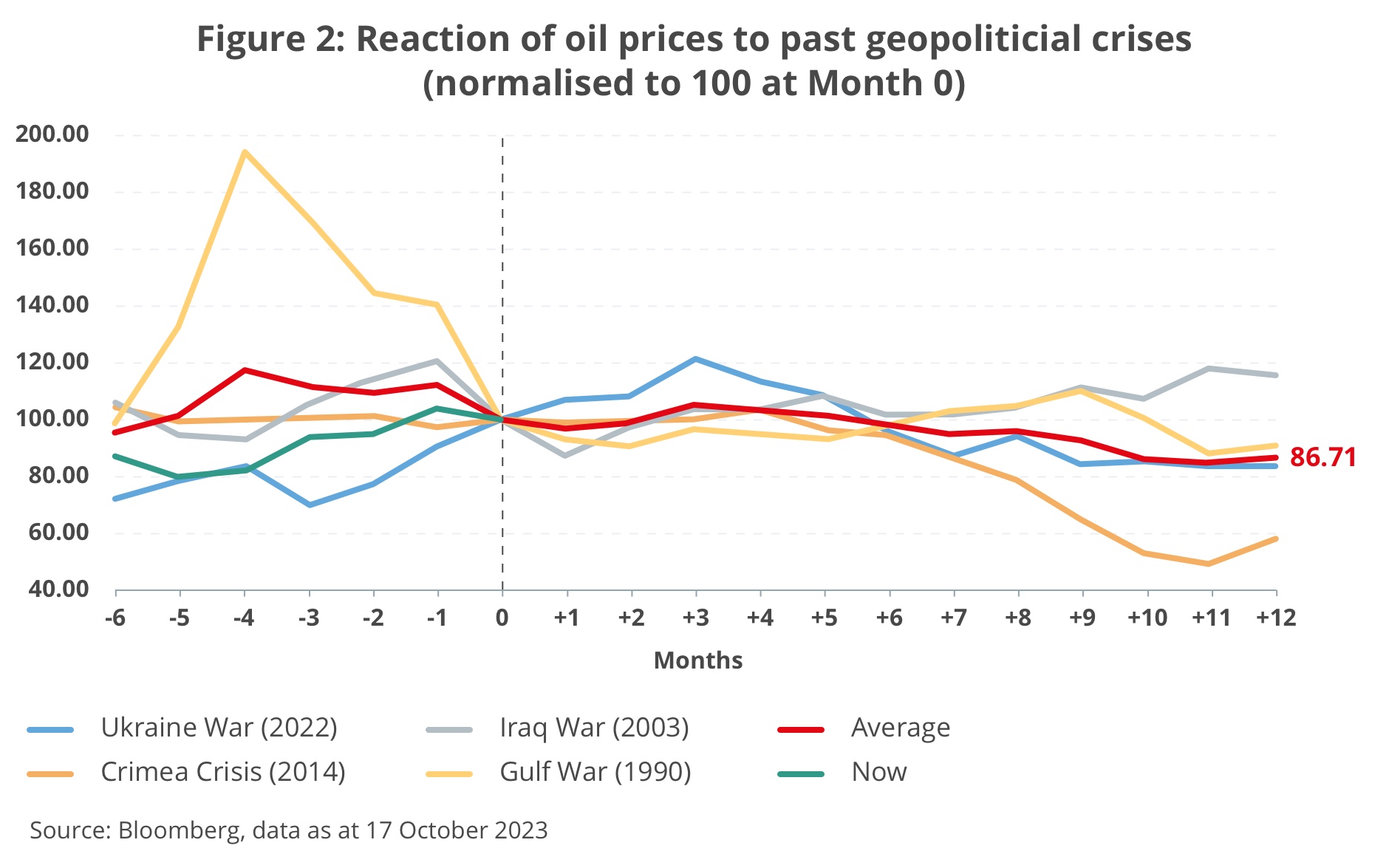
Geopolitical conflicts, such as the ongoing situation in the Middle East, have significant implications for global financial markets. These conflicts often lead to increased volatility, affecting everything from currency values to stock prices. For instance, the conflict has caused a sharp rise in oil and gas prices, which in turn has led to higher shipping and air freight costs. These increases ripple through the economy, impacting consumer prices and corporate profits.
The uncertainty surrounding the duration and scale of such conflicts leads investors to seek safer assets. Historically, US Treasury bonds were considered the safest, but recent trends show a shift towards gold. This change reflects a reevaluation of risk and safety in the current economic climate. Additionally, the value of the US dollar has risen due to its role in oil transactions, further complicating the investment landscape.
The Ripple Effects on Equity and Bond Markets
Equity markets have not been immune to the effects of the Middle East conflict. The S&P 500 index has seen a decline, with European and Asian indices experiencing even steeper drops. The German DAX and Japanese Nikkei 225 have both fallen significantly, reflecting the broader economic concerns. However, the US market's relatively better performance can be attributed to its status as a net oil exporter, which benefits from higher oil prices.
Bond markets have also experienced fluctuations, with yields rising in response to inflationary pressures. Central banks are closely monitoring these developments, as they consider how to adjust monetary policy to maintain economic stability. The European Central Bank (ECB) and the Bank of England (BOE) have both expressed concerns about the potential for increased inflation, highlighting the need for careful policy adjustments.
The Role of Energy Prices and Inflation Expectations

Energy prices play a crucial role in shaping financial market dynamics. The surge in oil prices has not only affected consumer spending but also influenced expectations for inflation. As investors anticipate higher inflation, they adjust their portfolios accordingly, often leading to shifts in asset allocation. The five-year breakeven rate in the US has increased, signaling a growing concern about future inflation.
Central banks are also adjusting their policies in response to these changes. The Federal Reserve, for example, has seen an increase in the probability of no rate cuts before July, indicating a more hawkish stance. Similarly, the ECB and BOE are reassessing their approaches to interest rates, recognizing the potential for prolonged inflationary pressures.
The Impact on Global Supply Chains and Trade
The disruption of supply chains due to the Middle East conflict has far-reaching consequences. The closure of the Strait of Hormuz has led to logistical challenges for oil and LNG producers, resulting in reduced production and higher prices. This situation has created a ripple effect across various industries, affecting everything from manufacturing to retail.
The impact on air cargo is particularly noteworthy, given its significance in global trade. With a substantial portion of air cargo passing through the Middle East, the disruption has led to a decline in capacity, affecting the transportation of high-value goods. This situation underscores the vulnerability of global supply chains and the importance of diversifying sources of supply.
The Agricultural Sector and Fertilizer Prices

The agricultural sector is another area significantly impacted by the conflict. Urea, a critical fertilizer, has seen a sharp increase in prices due to disruptions in its distribution. Given the timing of the agricultural calendar, this disruption poses a serious threat to global food production. Countries reliant on Gulf exports of urea are now facing challenges in maintaining their agricultural output, which could lead to food shortages and higher prices.
This situation highlights the interconnectedness of global markets and the potential for localized events to have widespread consequences. As the demand for fertilizers rises, so too does the pressure on producers to find alternative sources, potentially leading to increased costs for consumers.
Navigating the Current Financial Landscape
In light of these developments, it is essential for investors and businesses to stay informed and adaptable. Monitoring geopolitical events, tracking energy prices, and understanding the implications for supply chains are all crucial steps in navigating the current financial landscape. Additionally, diversifying investments and considering the role of safe-haven assets can help mitigate risks associated with market volatility.
As we look ahead, the global financial market will continue to be shaped by a complex interplay of factors. Staying informed about these insights will empower individuals and organizations to make informed decisions and capitalize on emerging opportunities.

Post a Comment for "Comprehensive Guide to Global Financial Market Insights"
Post a Comment