Why Investing in Luxury Goods and Services Can Be a Smart Move
In an era of economic uncertainty, where traditional investments like stocks and bonds face volatility, savvy investors are increasingly turning to alternative assets. Among these, luxury goods and services have emerged as a compelling option for those looking to diversify their portfolios and preserve wealth. While the idea of investing in high-end items like art, fine wine, or vintage cars may seem unconventional, the financial potential and long-term appreciation of these assets make them worth serious consideration.
The Evolution of Luxury as an Investment
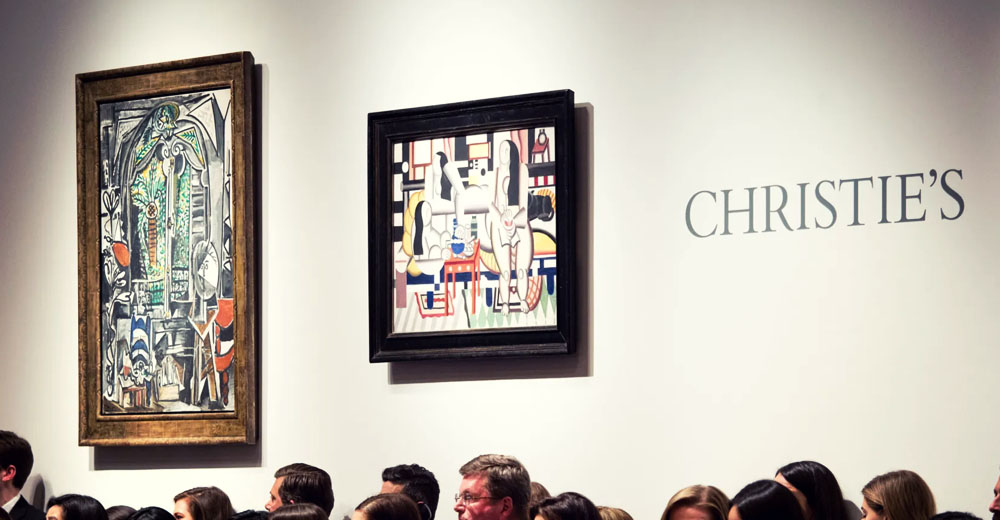
Historically, luxury items were seen as status symbols rather than financial instruments. However, over the past few decades, the perception has shifted. High-value assets such as fine art, classic cars, and rare wines have proven to be not only culturally significant but also financially valuable. This shift is driven by several factors: the growing wealth of the global elite, the rise of digital marketplaces, and the increasing demand for tangible assets that hold value even during economic downturns.
The 2024 Knight Frank Wealth Report highlighted that the luxury real estate and fine art markets saw double-digit growth, with some pieces appreciating by more than 30% in a single year. Similarly, the market for vintage wines and limited-edition watches has shown consistent gains, outperforming many traditional investment classes.
Why Luxury Assets Offer Unique Benefits
One of the most attractive aspects of investing in luxury goods and services is their ability to act as a hedge against inflation. Unlike paper assets, which can lose value during periods of rising prices, tangible luxury items often retain or increase in value. For example, a well-maintained vintage car from the 1960s can appreciate significantly over time, especially if it’s a rare model with a strong historical pedigree.
Moreover, luxury assets provide diversification benefits. Traditional portfolios are often heavily weighted toward equities and fixed-income instruments, which can be volatile. By adding luxury investments, investors can reduce overall risk and potentially enhance returns. A diversified portfolio might include a mix of real estate, fine art, and private equity, each offering different risk-return profiles.
Another advantage is the emotional and cultural value that comes with owning luxury goods. While this isn’t a financial metric, it can play a role in long-term satisfaction and lifestyle enhancement. For instance, a collector who owns a piece of art by a renowned artist may derive personal joy and prestige from the ownership, which can complement the financial return.
Key Areas to Consider When Investing in Luxury Goods
1. Fine Art
The art market has become increasingly sophisticated, with major auction houses like Sotheby’s and Christie’s setting records for high-value sales. Works by artists such as Picasso, Warhol, and Basquiat have seen dramatic appreciation over the years. However, the art market is not without its risks. It requires expertise to identify undervalued pieces and understand market trends. Investors should work with trusted appraisers and stay informed about emerging artists and movements.
2. Classic Cars

Vintage automobiles, particularly those from iconic brands like Ferrari, Porsche, and Aston Martin, have become highly sought after by collectors. These vehicles often appreciate in value, especially if they are in excellent condition and have a documented history. However, maintaining and storing these cars can be costly, and selling them quickly may not always be feasible due to the market’s illiquidity.
3. Wine and Spirits

The fine wine market has grown significantly, with certain vintages from top producers like Bordeaux and Burgundy fetching millions at auction. Wine is a unique investment because it can be both consumed and held as an asset. However, proper storage conditions are essential, and the market can be influenced by factors such as climate change and shifting consumer preferences.
4. Luxury Real Estate
High-end properties in desirable locations continue to be a popular choice among investors. These assets offer both appreciation and rental income potential. However, the real estate market is sensitive to economic cycles, and liquidity can be a challenge. Investors should focus on areas with strong fundamentals and long-term growth potential.
Risks and Challenges
While luxury assets offer numerous benefits, they also come with distinct risks. One of the primary challenges is liquidity. Unlike stocks or bonds, luxury goods are often difficult to sell quickly, and the process can take months or even years. Additionally, valuing these assets can be subjective, requiring expert appraisal and market knowledge.
Another risk is the potential for market fluctuations. For example, the value of contemporary art can vary widely based on trends and the popularity of specific artists. Similarly, the demand for certain luxury goods can be influenced by cultural shifts or changes in consumer behavior.
Investors must also be cautious about overpaying for assets. Without proper research and guidance, it’s easy to get caught up in bidding wars or pay a premium for items that may not appreciate as expected.
Practical Tips for Success
To navigate the world of luxury investing effectively, consider the following strategies:
- Do Your Research: Understand the market dynamics, historical performance, and future trends of the assets you’re interested in.
- Consult Experts: Work with appraisers, auction houses, and financial advisors who specialize in luxury assets.
- Diversify: Avoid putting all your capital into a single category. Spread your investments across different types of luxury goods and services.
- Stay Informed: Keep up with industry news, attend auctions, and follow market developments to make informed decisions.
- Plan for the Long Term: Luxury assets often require patience. Appreciation can take years, so ensure you have a long-term investment horizon.
Common Questions and Practical Insights
Q: Are luxury goods a good investment for everyone?
A: Not necessarily. Luxury investments require a certain level of financial stability and knowledge. They are best suited for investors who already have a solid traditional portfolio and are looking to diversify.
Q: How do I know if a luxury item will appreciate in value?
A: Look for items with historical significance, limited availability, or unique craftsmanship. Also, consider the track record of similar assets in the market.
Q: What are the costs involved in investing in luxury goods?
A: Costs can include purchase price, insurance, storage, maintenance, and transaction fees. These expenses should be factored into your investment strategy.
Q: Can I sell luxury goods quickly if needed?
A: Liquidity varies depending on the asset. Some items, like fine art, may take time to sell, while others, such as high-end watches, may have a more active market.
Conclusion
Investing in luxury goods and services is no longer just a privilege of the ultra-wealthy—it’s a viable strategy for those seeking to build and protect their wealth in an uncertain economy. With the right approach, these assets can offer substantial returns, diversification benefits, and personal satisfaction. However, success in this space requires careful planning, expertise, and a long-term perspective.
As the luxury market continues to evolve, staying informed and adaptable will be key to making smart investment decisions. Whether you're considering a piece of fine art, a classic car, or a high-end property, the goal is to align your choices with your financial goals and values. With the right strategy, luxury investments can be both a rewarding and profitable endeavor.

Post a Comment for "Why Investing in Luxury Goods and Services Can Be a Smart Move"
Post a Comment