The Ultimate Guide to Achieving Financial Mastery
Financial mastery is more than just having a good salary or a well-managed budget. It’s about building a life where your money works for you, not the other way around. In today’s fast-paced and ever-changing economic landscape, achieving financial freedom isn’t just a dream—it’s a realistic goal that requires strategy, discipline, and a clear understanding of your financial path.
For many young professionals, especially those just starting out in their careers, the idea of financial mastery can feel overwhelming. But with the right mindset and actionable steps, it’s entirely achievable. This guide will walk you through the essential principles and strategies needed to take control of your finances and build a future filled with security, independence, and opportunity.
Understanding Financial Mastery

At its core, financial mastery is about gaining control over your financial destiny. It means making informed decisions, managing your resources effectively, and creating a system that allows you to live comfortably without being dependent on a paycheck. While the definition of financial freedom may vary from person to person, the underlying goal remains the same: to have enough passive income to cover your expenses and give you the freedom to pursue your passions.
In 2025, with rising living costs and evolving investment opportunities, the importance of financial literacy has never been greater. According to a recent study by the National Endowment for Financial Education, only 38% of Americans are financially literate. That’s a troubling statistic when considering the long-term impact of poor financial habits.
Step 1 – Clarify Your Goals and Build a Foundation
Before diving into any financial plan, it’s crucial to define what financial mastery means to you. Are you aiming for early retirement? A comfortable lifestyle in a specific location? Or simply the ability to travel freely? Once you have a clear vision, you can create a roadmap to get there.
A solid foundation starts with budgeting. Track your income and expenses to understand where your money is going. Use tools like budgeting apps or spreadsheets to categorize your spending into discretionary and non-discretionary expenses. Automating your savings and bill payments can also help you stay on track and avoid overspending.
Step 2 – Build an Emergency Fund and Manage Risk
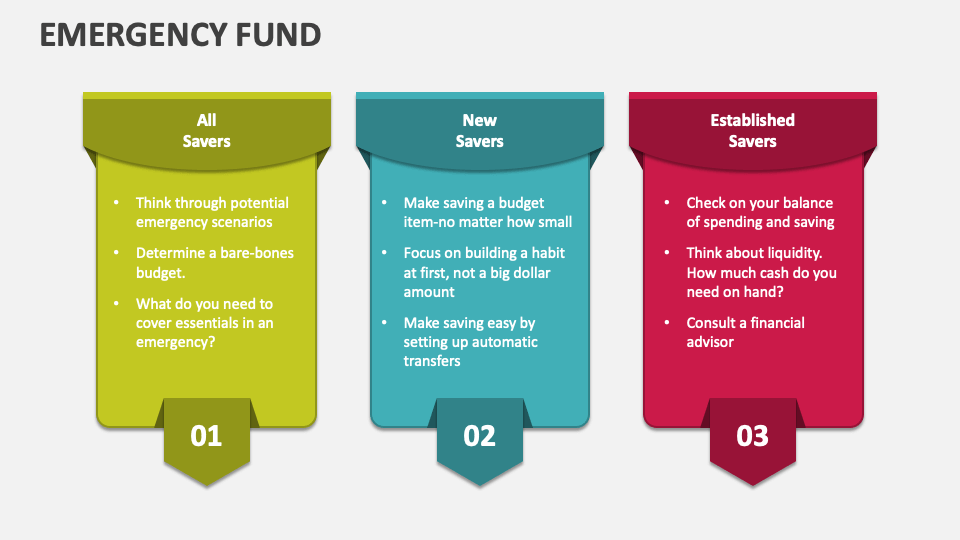
Life is unpredictable, and having a safety net is essential. Experts recommend setting aside at least three to six months’ worth of living expenses in an emergency fund. This fund acts as a buffer against unexpected events like job loss, medical emergencies, or urgent home repairs.
In addition to an emergency fund, consider insurance coverage that protects your financial stability. Life, disability, and health insurance can provide peace of mind and ensure that your loved ones are protected in case of unforeseen circumstances.
Step 3 – Eliminate High-Interest Debt
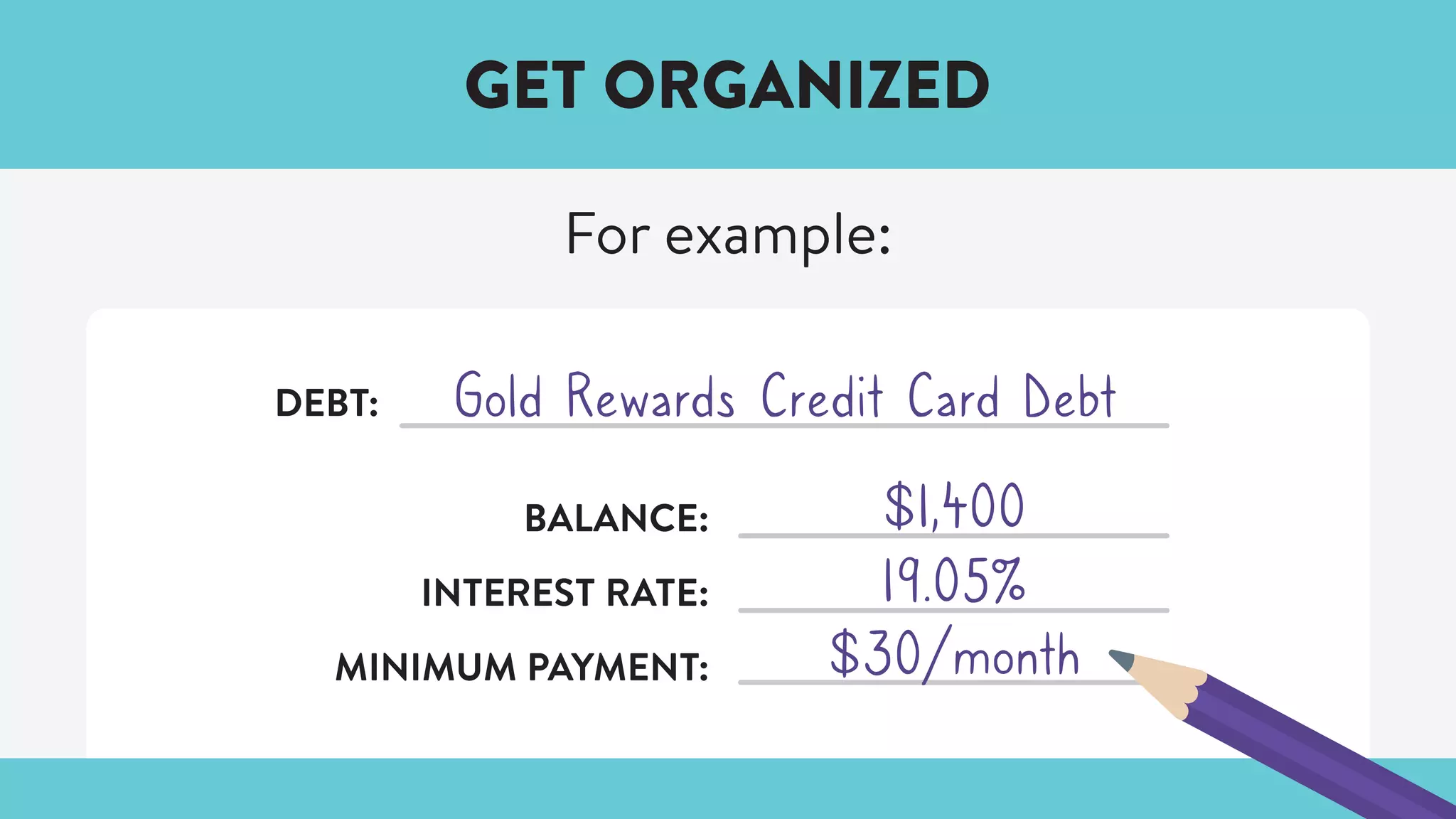
Debt can be a major obstacle to financial mastery. Credit card debt, personal loans, and other high-interest obligations can quickly spiral out of control if not managed properly. The key is to prioritize paying off these debts as soon as possible.
Strategies like the “debt snowball” method (paying off smaller debts first) or the “debt avalanche” method (focusing on high-interest debts) can help you tackle this challenge effectively. Working with a financial advisor or counselor can also provide valuable guidance and support.
Step 4 – Invest for Passive Income
Once you’ve built a strong financial foundation, the next step is to grow your wealth through smart investing. Whether through stocks, real estate, or retirement accounts, investing allows you to generate passive income and build long-term wealth.
In 2025, index funds and ETFs remain popular choices due to their low fees and broad market exposure. Many investors are also exploring alternative assets like cryptocurrency and private equity, though these come with higher risks. Diversification is key—spreading your investments across different asset classes can help mitigate risk and maximize returns.
Step 5 – Monitor and Adjust Your Strategy
Financial mastery isn’t a one-time achievement; it’s an ongoing process. As your life changes—whether through career shifts, family growth, or new goals—you’ll need to review and adjust your financial strategy accordingly.
Regularly reviewing your investment portfolio, updating your insurance coverage, and revisiting your budget ensures that you stay on course. An ongoing relationship with a financial advisor can provide valuable insights and keep you informed about emerging trends and opportunities.
Common Questions and Practical Insights
What if I don’t have a lot of money to start with?
Financial mastery doesn’t require a large initial investment. Small, consistent contributions can lead to significant growth over time, especially when leveraging the power of compounding.
How do I know which investments are right for me?
Consulting with a certified financial planner can help you assess your risk tolerance, financial goals, and time horizon to make informed investment decisions.
Can I achieve financial freedom without a high income?
Yes. With disciplined budgeting, smart saving, and strategic investing, even those with modest incomes can work toward financial independence.
Conclusion
Achieving financial mastery is a journey that requires patience, persistence, and a willingness to learn. By setting clear goals, building a strong financial foundation, managing risk, eliminating debt, and investing wisely, you can take control of your financial future.
In a world where economic uncertainty is a constant, the ability to navigate your finances with confidence is more valuable than ever. Start small, stay consistent, and remember that every step you take toward financial mastery brings you closer to the life you deserve.

Post a Comment for "The Ultimate Guide to Achieving Financial Mastery"
Post a Comment