Mastering Complex Wealth Strategies: A Comprehensive Guide for Long-Term Financial Success
In the ever-evolving world of finance, navigating complex wealth strategies has become more critical than ever. Whether you're a high-earning professional, an entrepreneur, or someone looking to build lasting financial security, understanding how to manage and grow your wealth is essential. The financial landscape is no longer just about investing in stocks or real estate—it's about designing a comprehensive plan that integrates tax strategy, retirement planning, and long-term legacy goals. This article explores how to master these strategies and set yourself up for sustained success.
Understanding the Modern Wealth Landscape

The financial environment today is more intricate than it has been in decades. Rising tax complexities, market volatility, and the largest generational wealth transfer in history have created a need for more sophisticated planning. Traditional siloed approaches to financial management are no longer sufficient. Instead, individuals must adopt a holistic strategy that considers multiple facets of their financial lives.
WealthSmart Advisory Group, a newly launched firm in San Antonio, Texas, exemplifies this shift. Founded by Dr. Heinrich Edimo, the firm offers an integrated approach known as "wealth engineering," which combines retirement planning, tax strategy, investment management, and legacy planning into a single framework. This model reflects a growing trend among financial advisors who recognize that wealth is not built by accident but through intentional design.
Key Components of Effective Wealth Strategy

To navigate complex wealth strategies effectively, it’s important to understand the key components that contribute to long-term financial success:
-
Tax Optimization: Taxes can significantly impact wealth accumulation. By implementing strategic tax planning, individuals can minimize their tax liabilities and maximize their after-tax income. This includes leveraging deductions, credits, and tax-efficient investment vehicles.
-
Investment Diversification: Diversifying investments across different asset classes helps mitigate risk and increase the potential for growth. A well-balanced portfolio should include a mix of stocks, bonds, real estate, and alternative investments tailored to individual risk tolerance and financial goals.
-
Retirement Planning: Retirement planning goes beyond simply saving money. It involves estimating future expenses, determining the necessary savings rate, and selecting appropriate retirement accounts such as 401(k)s, IRAs, and Roth IRAs.
-
Estate Planning: Estate planning ensures that your assets are distributed according to your wishes and minimizes the impact of taxes on your heirs. This includes creating wills, trusts, and other legal documents to protect your legacy.
-
Financial Education: Knowledge is power when it comes to managing wealth. Staying informed about financial trends, market conditions, and best practices empowers individuals to make smarter decisions and avoid common pitfalls.
The Role of Technology in Wealth Management
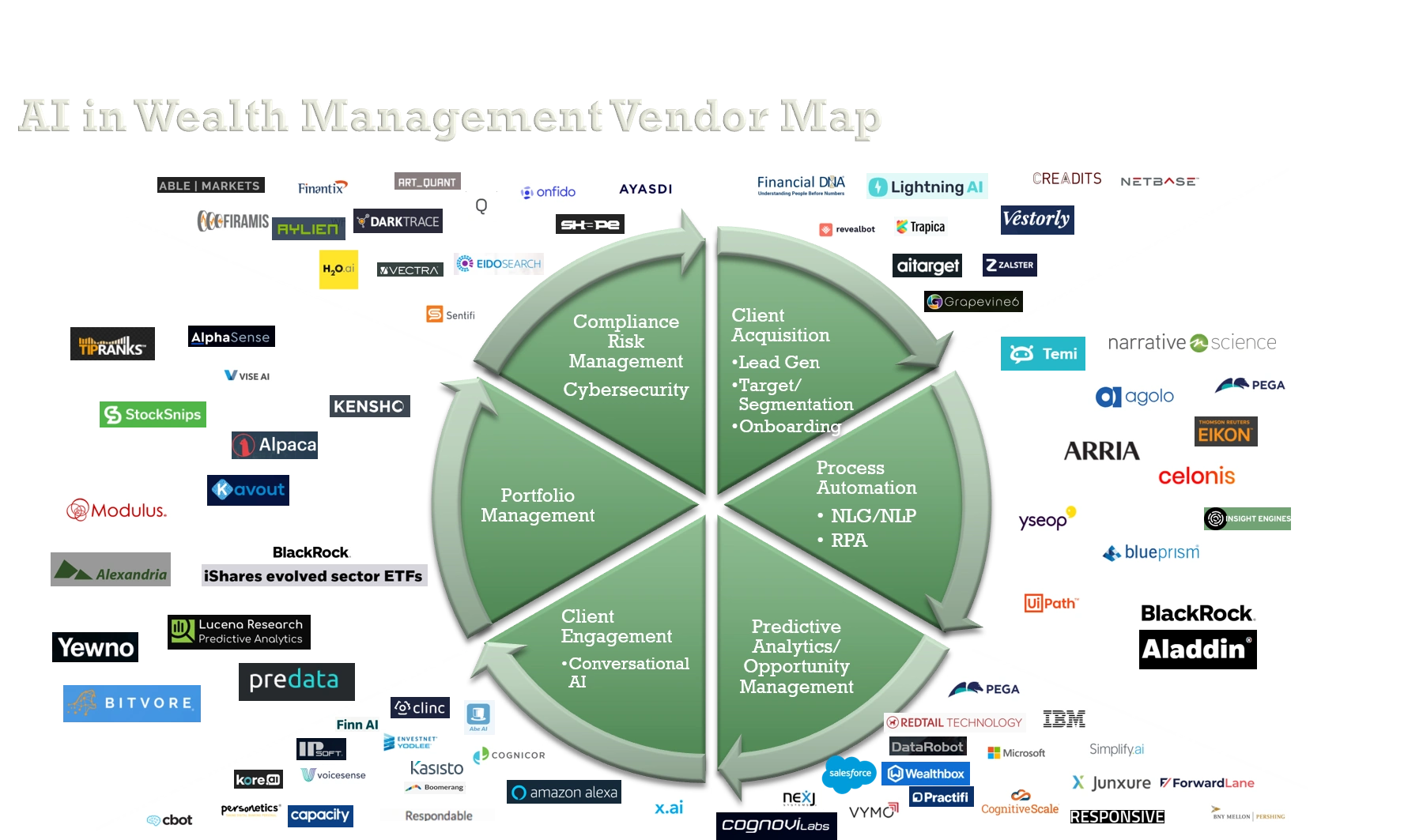
As technology continues to reshape the financial industry, artificial intelligence (AI) is playing an increasingly significant role in wealth management. AI-powered tools can analyze vast amounts of data quickly, identify patterns, and provide insights that help individuals make informed decisions. However, while AI can enhance efficiency and accuracy, it cannot replace the nuanced judgment and expertise of human financial advisors.
The integration of AI into financial planning complements traditional methods rather than replacing them. For instance, AI can automate data entry, categorize expenses, and generate initial forecasts. However, human experts are still needed to interpret these findings, validate assumptions, and make strategic decisions based on a broader context.
This balance between technology and human expertise is crucial for effective wealth management. Forward-thinking organizations are adopting a hybrid approach that leverages AI for data processing and trend analysis while relying on human advisors for personalized guidance and decision-making.
Common Mistakes to Avoid
While mastering complex wealth strategies can lead to long-term success, there are several common mistakes that individuals should be aware of:
-
Overlooking Tax Implications: Many people focus solely on investment returns without considering the impact of taxes. This can result in lower net gains and reduced wealth accumulation.
-
Failing to Diversify: Concentrating investments in a single asset class or sector increases risk and exposes individuals to potential losses if that particular area underperforms.
-
Neglecting Estate Planning: Without proper estate planning, your assets may be distributed in ways that do not align with your wishes, leading to unnecessary legal and financial complications.
-
Ignoring Market Volatility: Market fluctuations are inevitable, but failing to account for them can lead to panic selling or missed opportunities for growth.
-
Not Seeking Professional Advice: While self-directed investing is possible, working with a qualified financial advisor can provide valuable insights and help avoid costly mistakes.
Practical Tips for Building Long-Term Wealth
To build lasting wealth, consider the following practical tips:
- Start Early: The power of compound interest means that starting early can significantly boost your wealth over time.
- Set Clear Goals: Define your financial objectives, whether it's buying a home, funding retirement, or building a legacy.
- Review and Adjust Regularly: Your financial situation and goals may change over time, so it's important to review and adjust your strategy accordingly.
- Stay Informed: Keep up-to-date with financial news, market trends, and new investment opportunities.
- Seek Expert Guidance: Work with a trusted financial advisor who can provide personalized advice and support.
Conclusion
Navigating complex wealth strategies requires a comprehensive understanding of financial planning, tax optimization, investment diversification, and estate management. As the financial landscape continues to evolve, individuals must adapt their approaches to ensure long-term success. By integrating technology, seeking expert guidance, and staying informed, you can build a solid foundation for financial security and legacy. Remember, wealth is not built by accident—it’s engineered through intentional planning and disciplined execution.
Post a Comment for "Mastering Complex Wealth Strategies: A Comprehensive Guide for Long-Term Financial Success"
Post a Comment