How to Optimize Your Business for Rapid Expansion: A Comprehensive Guide
In the ever-evolving world of business, the ability to scale effectively can mean the difference between stagnation and explosive growth. For entrepreneurs and business leaders, the question isn't just "How fast can we grow?" but rather "How fast do we want to grow?" This distinction is crucial because it shapes the entire strategy behind your operations, marketing, team structure, and technological infrastructure. Optimizing your business for rapid expansion requires a thoughtful, data-driven approach that aligns with your long-term vision.
The Foundation of Growth: Defining Your Speed

Before you can begin scaling, you must determine the pace at which you want to grow. Some businesses thrive on steady, incremental growth, while others aim for exponential expansion. However, as noted in recent industry insights, many companies fail not because they grew too slowly, but because they grew too fast for their infrastructure to handle. This mismatch can lead to operational chaos, customer dissatisfaction, and financial strain.
To avoid this pitfall, start by assessing your current resources and capabilities. Consider your team size, budget, technology stack, and sales processes. If you're aiming for rapid expansion, you'll need to invest in scalable systems, efficient workflows, and a culture that supports agility. By setting realistic yet ambitious growth targets, you create a roadmap that allows your business to expand without compromising quality or stability.
Building the Right Infrastructure
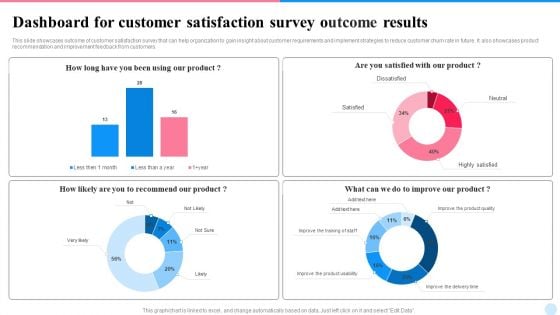
One of the most critical steps in optimizing for rapid expansion is building the right infrastructure. This includes both your physical and digital systems. In 2025, businesses are increasingly relying on cloud-based solutions, automation tools, and AI-powered analytics to streamline operations and improve efficiency.
For example, implementing a robust CRM system can help manage customer interactions more effectively, while automation tools can reduce manual tasks and free up your team to focus on high-value activities. Additionally, investing in scalable technology ensures that your business can handle increased demand without experiencing downtime or performance issues.
Another key aspect of infrastructure is your team. As you grow, you'll need to hire strategically, ensuring that each new hire brings value and aligns with your company's mission. This may involve creating clear roles and responsibilities, establishing effective communication channels, and fostering a culture of continuous learning and development.
Focusing on Customer Value
At the heart of any successful business is a commitment to delivering exceptional value to customers. As highlighted by experts like Alex Hormozi, prioritizing customer satisfaction is essential for sustainable growth. When customers feel valued and supported, they become loyal advocates, driving word-of-mouth referrals and repeat business.
To achieve this, start by understanding your customers' needs through market research and feedback. Use this information to tailor your products and services to meet their expectations. Additionally, go above and beyond to exceed their expectations. Whether it's through personalized service, competitive pricing, or innovative features, delivering value creates a strong foundation for growth.
Leveraging Data for Informed Decisions

Data has become one of the most powerful tools for business optimization. In 2025, companies that leverage data effectively are better positioned to make informed decisions, identify trends, and anticipate market shifts. By collecting and analyzing relevant data, you can gain valuable insights into customer behavior, operational efficiency, and market dynamics.
Implementing data analytics tools such as Google Analytics, CRM software, and BI platforms enables you to track key performance indicators (KPIs) and measure the impact of your strategies. This data-driven approach not only helps you refine your tactics but also allows you to allocate resources more effectively. For instance, if your data shows that a particular marketing campaign is underperforming, you can quickly adjust your strategy to maximize ROI.
Cultivating a Culture of Innovation
Innovation is another key driver of rapid expansion. Businesses that embrace a culture of creativity and adaptability are better equipped to navigate challenges and seize new opportunities. This involves encouraging your team to think outside the box, experiment with new ideas, and continuously improve processes.
As seen in the case of Alex Hormozi, who pivoted his business model during the pandemic to offer virtual coaching, adaptability can be a game-changer. By staying agile and open to change, you can respond to market demands more effectively and maintain a competitive edge.
Overcoming Common Challenges
While the path to rapid expansion is filled with opportunities, it also comes with its share of challenges. One common issue is maintaining quality as you scale. To address this, implement quality control measures and ensure that your team is well-trained and aligned with your standards. Another challenge is managing cash flow, which can be particularly tricky when expanding quickly. Creating a solid financial plan and monitoring your expenses closely can help you stay on track.
Additionally, as your business grows, it's essential to maintain a strong company culture. This involves fostering open communication, recognizing employee contributions, and creating a sense of purpose. A positive work environment not only attracts top talent but also boosts morale and productivity.
Conclusion
Optimizing your business for rapid expansion is a multifaceted process that requires careful planning, strategic execution, and a commitment to continuous improvement. By defining your growth speed, building the right infrastructure, focusing on customer value, leveraging data, and cultivating a culture of innovation, you can position your business for long-term success. Remember, the goal is not just to grow quickly but to grow smartly, ensuring that your business remains resilient and adaptable in an ever-changing market.

Post a Comment for "How to Optimize Your Business for Rapid Expansion: A Comprehensive Guide"
Post a Comment