How to Optimize Investments for Maximum Wealth: A Comprehensive Guide
In today’s fast-paced financial landscape, the difference between average returns and exceptional wealth growth often comes down to one thing: how well you optimize your investments. Whether you're a seasoned investor or just starting out, the right strategies can make all the difference in building lasting financial security. With 2025 bringing new tools, smarter algorithms, and evolving market dynamics, now is the time to rethink how you approach wealth-building.
This guide will walk you through actionable steps to optimize your investments for maximum wealth, covering everything from leveraging artificial intelligence to automating key processes and ensuring long-term sustainability.
The Evolution of Portfolio Management: From Spreadsheets to Smart Systems
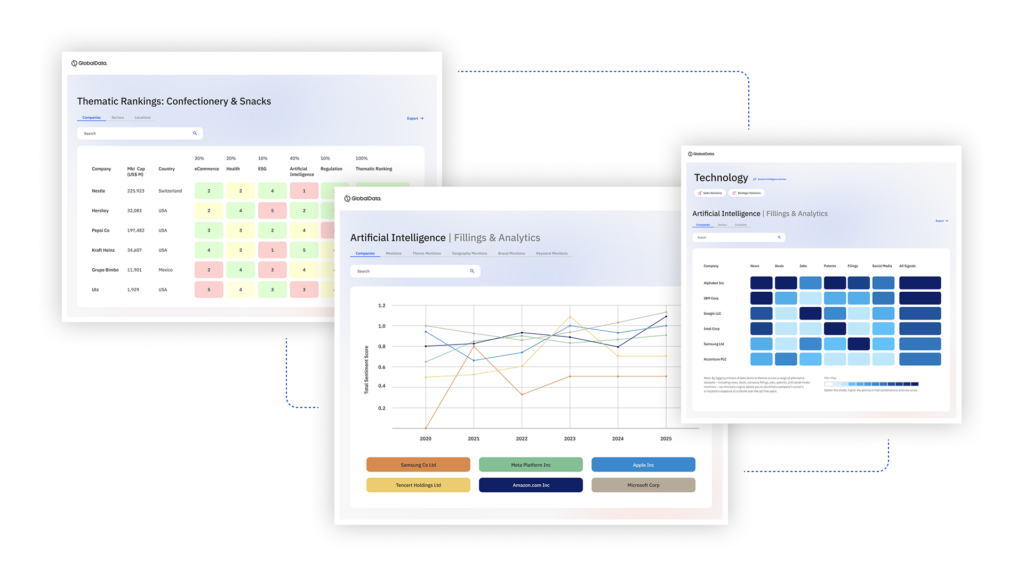
Back in the early 2000s, managing an investment portfolio was a manual, time-consuming task. Firms relied on clunky spreadsheets and siloed systems, making it difficult to track performance, compliance, and client data efficiently. Fast forward to today, and the landscape has transformed dramatically.
Modern portfolio management software has evolved into a powerful tool that integrates back-office functions, fund accounting, administration, and transaction tracking into a single platform. Platforms like Vyzer are leading the charge, offering features such as real-time trade processing, automated rebalancing, and comprehensive compliance monitoring.
The shift from manual processes to smart systems has not only improved accuracy but also freed up valuable time for investors and advisors to focus on strategic decision-making.
Artificial Intelligence: Your New Secret Weapon
Artificial intelligence (AI) is no longer a buzzword—it's a game-changer in wealth management. In 2025, AI-powered platforms are helping investors analyze vast amounts of market data, identify trends, and make more informed decisions. These tools can detect subtle shifts in risk profiles, recommend optimal portfolio adjustments, and even predict potential market movements.
For example, imagine a scenario where your software alerts you to a slight change in a client’s risk tolerance, then suggests a rebalance that not only mitigates volatility but also reduces tax liability. This level of precision is becoming the norm, with firms using AI to improve decision-making speed and accuracy.
Dynamic rebalancing is another key benefit. By tapping into real-time data, these platforms automatically adjust asset allocations, keeping portfolios aligned with changing goals and market conditions—without the need for constant manual intervention.
Cybersecurity and Compliance: Non-Negotiables in 2025
With cyber threats on the rise, protecting your investments isn’t just about maximizing returns—it’s about safeguarding your assets. In 2025, the best portfolio management software includes advanced cybersecurity measures such as end-to-end encryption, blockchain-based audit trails, and AI-driven threat detection.
Compliance is equally critical. Regulatory requirements are becoming more stringent, and failing to meet them can result in costly fines and reputational damage. Leading platforms now offer built-in compliance monitoring, real-time transaction flagging, and robust privacy safeguards.
For instance, a recent report found that over half of top wealth management firms have upgraded their security protocols in the past 18 months. This shift underscores the importance of prioritizing both security and regulatory adherence in your investment strategy.
Automation: Smarter, Faster, and More Efficient
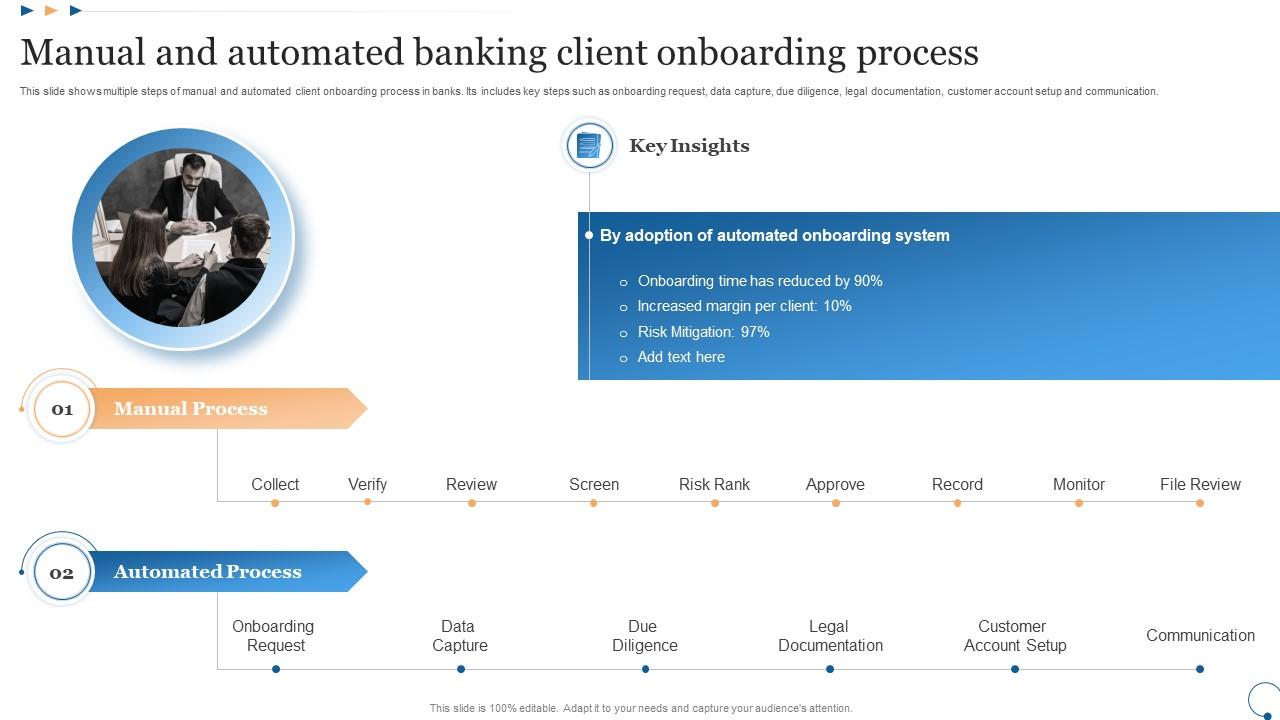
Automation is revolutionizing the way investors manage their portfolios. From digital onboarding to routine administrative tasks, intelligent automation is streamlining workflows and reducing human error.
Take the example of a high-net-worth client who signs up for a new investment account. With automated systems, background checks, document processing, and account setup can be completed in under an hour—without a single email exchange. This level of efficiency allows teams to focus on high-impact activities like client engagement and strategic planning.
Tools like Vyzer are enabling investors to automate cash flow projections, reporting, and even alternative investment tracking. This means individuals can enjoy the same level of efficiency that large firms have long benefited from.
Implementing a Strategic Approach
Having the right tools is only part of the equation. To truly optimize your investments, you need a clear implementation strategy. Start by assessing your firm’s specific needs and gathering input from stakeholders, including portfolio managers, compliance officers, and IT professionals.
Define your goals upfront—what do you want to achieve with your software? Set project boundaries, determine which features are essential, and establish metrics for success. A structured plan minimizes the risk of cost overruns and ensures alignment across your team.
Training is also crucial. Even the most advanced platform becomes ineffective if your team doesn’t know how to use it. Invest in proper onboarding and be open to feedback to ensure long-term adoption and value.
Measuring Success: Tracking ROI and Refining Strategies
Once your software is in place, don’t stop there. Regularly measure its performance against your initial goals. Are you seeing cost savings? Improved client satisfaction? Increased efficiency?
According to FintechBuzz, firms that implement continuous monitoring and feedback loops are more likely to achieve long-term success. When your software falls short, make adjustments quickly. When it delivers results, use those wins to refine your process further.
By staying data-driven, you can ensure that your investment strategy remains agile and effective in an ever-changing market.
Key Takeaways for Maximizing Wealth
To recap, here are the essential steps for optimizing your investments:
- Leverage AI for real-time analysis, dynamic rebalancing, and smarter decision-making.
- Prioritize cybersecurity and compliance to protect both your firm and your clients.
- Automate onboarding, reporting, and administrative tasks to save time and reduce errors.
- Develop a clear implementation strategy with stakeholder input and measurable goals.
- Track ROI regularly and make data-driven adjustments to stay on course.
Frequently Asked Questions
Q: What are the core features I should look for in portfolio management software?
A: Look for fund accounting, fund administration, and transfer agency functions to ensure efficient and accurate portfolio management.
Q: How can AI improve my portfolio management?
A: AI enables real-time analysis, dynamic rebalancing, and risk detection, leading to better investment decisions and outcomes.
Q: What steps should I take to ensure my software is secure?
A: Choose platforms with advanced security features like end-to-end encryption and AI-driven threat detection.
Q: How does automation help with portfolio management?
A: Automation streamlines onboarding, reduces manual work, and improves efficiency, allowing your team to focus on high-value tasks.
Q: How should I measure the ROI of my software?
A: Track efficiency gains, client satisfaction, and cost savings to evaluate performance and make necessary improvements.
Conclusion
Optimizing investments for maximum wealth is not just about picking the right stocks or funds—it’s about embracing the right tools, strategies, and mindset. With the right combination of technology, automation, and discipline, you can build a resilient portfolio that adapts to market changes and grows over time.
As we move into 2025, the opportunities for wealth growth are greater than ever. But the key to success lies in how well you adapt and optimize your approach. Whether you're a retail investor or a professional manager, the principles outlined in this guide can help you unlock new levels of financial freedom.
Start today, and let your investments work smarter—not harder—for you.

Post a Comment for "How to Optimize Investments for Maximum Wealth: A Comprehensive Guide"
Post a Comment