How to Maximize Your Personal Net Worth Every Year
If you're like most people, you might not think much about your net worth until it's time to plan for retirement or make a big purchase. But the truth is, maximizing your personal net worth should be an annual priority. Whether you're just starting out or have been building wealth for years, there are strategies you can implement each year to grow your financial assets and secure your future. In this article, we'll explore practical steps you can take to ensure your net worth increases consistently over time.
Understanding What Net Worth Means
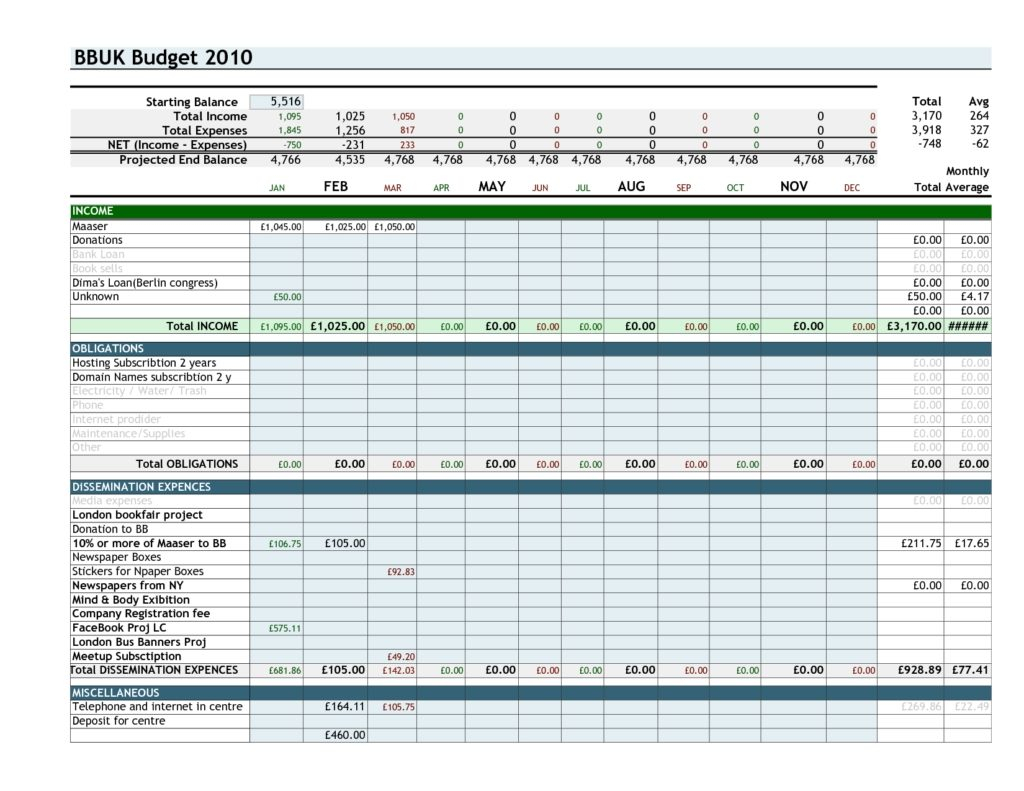
Your net worth is the total value of everything you own minus what you owe. It includes your savings, investments, real estate, vehicles, and other assets, less any debts such as credit card balances, student loans, or mortgages. While many people focus on their income, it's your net worth that truly reflects your financial health.
For example, someone with a high salary but significant debt might have a lower net worth than someone with a modest income but no debt and substantial savings. The key is to build wealth over time, not just increase your income.
Step 1: Track and Analyze Your Finances
The first step in maximizing your net worth is to understand where you stand financially. Start by creating a detailed list of all your assets and liabilities. This doesn’t need to be perfect, but it should give you a clear picture of your current financial position.
Once you have this information, analyze your spending habits. Are you saving enough? Are you investing wisely? Are you paying off high-interest debt? By understanding where your money is going, you can identify areas for improvement.
Step 2: Set Clear Financial Goals

Setting clear, achievable financial goals is essential for increasing your net worth. These goals should be specific, measurable, and time-bound. For instance, instead of saying “I want to save more,” set a goal like “I want to save $5,000 by the end of the year.”
Goals can range from short-term (like building an emergency fund) to long-term (such as retiring comfortably). Having clear objectives helps you stay focused and motivated.
Step 3: Increase Your Income
One of the most effective ways to boost your net worth is to increase your income. This doesn’t necessarily mean getting a higher-paying job; it could involve taking on side gigs, freelancing, or investing in skills that lead to better opportunities.
Consider exploring passive income streams, such as rental properties, dividend-paying stocks, or online businesses. These can provide a steady source of income without requiring constant effort.
Step 4: Invest Wisely

Investing is one of the most powerful tools for growing your net worth. However, it’s important to invest wisely. Diversify your portfolio across different asset classes—stocks, bonds, real estate, and more—to reduce risk.
If you’re new to investing, start with low-cost index funds or exchange-traded funds (ETFs) that offer broad market exposure. As you gain confidence, you can explore more complex investment strategies.
Step 5: Pay Off High-Interest Debt
High-interest debt, such as credit card debt, can significantly drag down your net worth. Make it a priority to pay off these debts as quickly as possible. Consider using the debt avalanche method, where you pay off the debt with the highest interest rate first, or the debt snowball method, which focuses on paying off smaller debts first for psychological wins.
Step 6: Build an Emergency Fund
An emergency fund is crucial for financial stability. Aim to save at least three to six months’ worth of living expenses in a separate, easily accessible account. This fund acts as a safety net in case of unexpected events, such as job loss or medical emergencies.
Having an emergency fund prevents you from relying on high-interest debt during tough times, helping you maintain your net worth.
Step 7: Review and Adjust Your Plan Annually
Maximizing your net worth isn’t a one-time task—it requires ongoing attention. At the end of each year, review your financial plan and make adjustments as needed. This could involve revising your goals, changing your investment strategy, or adjusting your budget.
Life circumstances change, and so should your financial plan. Regular reviews help ensure you stay on track toward your long-term financial goals.
Common Questions and Practical Insights
What if I’m not earning much?
Even if your income is limited, you can still work on increasing your net worth. Focus on reducing expenses, building an emergency fund, and finding ways to increase your income through side hustles or skill development.
How do I know if I’m on track?
Track your net worth regularly. If it’s increasing consistently, you’re on the right path. If it’s stagnant or decreasing, it may be time to reassess your financial strategies.
Can I max out my retirement accounts?
Yes, contributing to retirement accounts like 401(k)s or IRAs can help grow your net worth over time. These accounts often offer tax advantages that can enhance your savings.
Conclusion
Maximizing your personal net worth every year is a powerful way to secure your financial future. By tracking your finances, setting clear goals, increasing your income, investing wisely, paying off debt, building an emergency fund, and reviewing your plan annually, you can steadily grow your wealth.
Remember, wealth is not just about how much you earn—it’s about how you manage and grow what you have. With consistent effort and smart financial planning, you can achieve long-term financial success. Start today, and watch your net worth grow year after year.

Post a Comment for "How to Maximize Your Personal Net Worth Every Year"
Post a Comment