How to Invest in High-Yield Assets Wisely: A Smart Guide for Long-Term Growth
In today’s unpredictable financial landscape, the quest for high-yield assets has never been more critical. With inflation on the rise and traditional savings accounts offering meager returns, investors are increasingly looking for ways to grow their wealth. But how do you invest in high-yield assets wisely without falling into the traps of speculation or risk? The answer lies in a balanced, informed, and strategic approach that prioritizes long-term growth over short-term gains.
This guide will walk you through the essentials of investing in high-yield assets, covering everything from understanding different asset classes to managing risks and building a diversified portfolio. Whether you're a seasoned investor or just starting out, this article is designed to help you make smarter decisions with your money.

Understanding High-Yield Assets
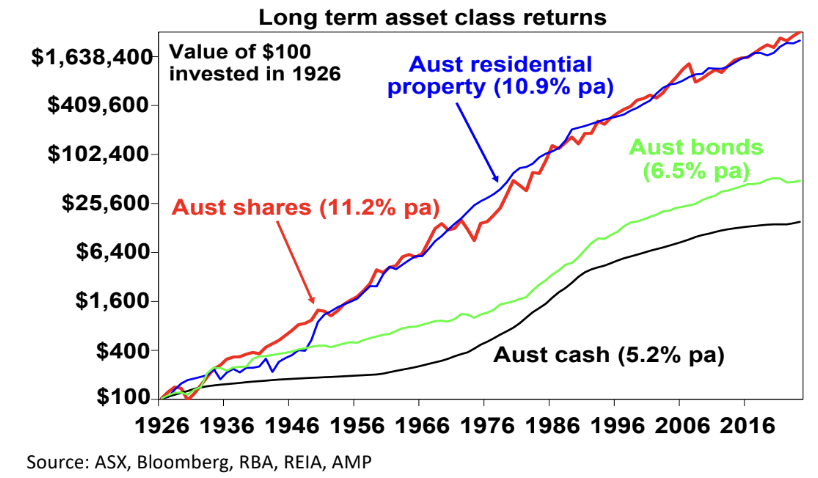
High-yield assets are investments that offer above-average returns compared to traditional options like savings accounts or government bonds. These can include stocks, real estate, private equity, and even alternative investments like art or farmland. The key characteristic of high-yield assets is their potential to generate significant returns, often at the cost of higher risk.
However, not all high-yield assets are created equal. Some may offer consistent returns with lower risk, while others may be volatile and require careful management. It's essential to understand the nature of each asset class and how it fits into your overall investment strategy.
Types of High-Yield Assets
-
Stocks: Stocks represent ownership in a company and can provide both capital appreciation and dividend income. While they carry the risk of market fluctuations, they also offer the potential for substantial returns, especially in growth-oriented sectors.
-
Real Estate: Real estate investments can include rental properties, REITs (Real Estate Investment Trusts), or even crowdfunding platforms. These assets can generate steady income through rent and appreciate in value over time.
-
Private Equity and Venture Capital: These investments involve funding startups or private companies with high growth potential. While they can yield massive returns, they also come with significant risk and require a long-term commitment.
-
Alternative Investments: This category includes things like fine art, commodities, and farmland. These assets can provide diversification benefits and unique return profiles, but they often require specialized knowledge and access.
-
Bonds and Fixed Income: While generally considered lower-risk, certain types of bonds, such as high-yield corporate bonds, can offer attractive returns. They are typically used to balance a portfolio and provide income.
Strategies for Wise Investment

Investing in high-yield assets requires more than just chasing the highest returns. It involves a thoughtful, strategic approach that considers your financial goals, risk tolerance, and time horizon. Here are some key strategies to consider:
1. Diversify Your Portfolio
Diversification is one of the most effective ways to manage risk while seeking high returns. By spreading your investments across different asset classes, sectors, and geographies, you reduce the impact of any single investment's poor performance.
For example, if you're invested in a mix of stocks, real estate, and bonds, a downturn in the stock market might be offset by gains in real estate or stable bond returns. Diversification doesn't guarantee profits, but it can help protect your portfolio from significant losses.
2. Conduct Thorough Research
Before investing in any high-yield asset, it's crucial to conduct thorough research. This includes analyzing the financial health of the company, understanding market trends, and evaluating the potential risks involved.
For instance, if you're considering investing in a small-cap stock, look at its financial statements, competitive position, and growth prospects. Similarly, if you're interested in real estate, research the local market conditions and potential for appreciation.
3. Understand the Risks
Every high-yield investment comes with its own set of risks. It's important to understand these risks and assess whether they align with your investment goals and risk tolerance.
For example, private equity investments can be highly illiquid and may take years to realize returns. Similarly, alternative investments like art or farmland may have limited marketability and require specialized knowledge.
4. Maintain a Long-Term Perspective
High-yield assets often require a long-term perspective. Many of these investments are designed to grow over time, and short-term market fluctuations should not deter you from your long-term goals.
Consider the example of Fortescue Metals Group, which saw a 420x return over two decades. Investors who held onto their shares through market downturns and periods of stagnation were rewarded with substantial gains.
Common Mistakes to Avoid
While the potential rewards of high-yield assets are enticing, there are several common mistakes that investors should avoid:
1. Overlooking the Importance of Fees
High-yield investments can come with high fees, which can eat into your returns. Be sure to understand the costs associated with each investment, including management fees, transaction costs, and any other expenses.
2. Failing to Rebalance Your Portfolio
As markets change, your portfolio should evolve as well. Regularly rebalancing your investments ensures that you maintain your desired level of risk and return. For example, if a particular asset class becomes too large, consider selling some of it to reinvest in other areas.
3. Ignoring the Impact of Taxes
Taxes can significantly affect your investment returns. Understanding the tax implications of your investments is crucial. For instance, capital gains taxes can reduce the net return on your investments, so it's wise to consider tax-efficient strategies.
4. Not Having a Clear Exit Strategy
A clear exit strategy is essential for any investment. Knowing when to sell an asset can help you lock in profits and minimize losses. Consider factors such as market conditions, investment goals, and personal financial needs when deciding to exit an investment.
Conclusion
Investing in high-yield assets wisely is a journey that requires patience, research, and a clear understanding of your financial goals. By diversifying your portfolio, conducting thorough research, and maintaining a long-term perspective, you can navigate the complexities of high-yield investments and achieve sustainable growth.
Remember, the key to successful investing lies in balancing risk and reward. While high-yield assets can offer substantial returns, they also come with inherent risks. By staying informed and making educated decisions, you can build a resilient portfolio that stands the test of time.
Happy investing!

Post a Comment for "How to Invest in High-Yield Assets Wisely: A Smart Guide for Long-Term Growth"
Post a Comment