How to Invest in Growth Stocks for Long-Term Wealth Building
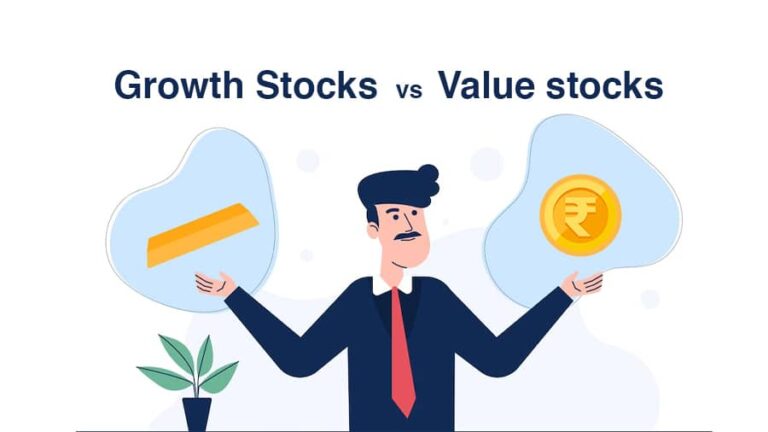
If you're looking to build wealth over the long term, investing in growth stocks can be a powerful strategy. Unlike value investing, which focuses on undervalued assets, growth investing targets companies that are expected to grow at an above-average rate compared to their industry. These companies often reinvest their profits into expansion, innovation, and new markets, making them attractive for investors seeking capital appreciation. In 2025, with the global economy still evolving and technological advancements accelerating, growth stocks remain a compelling option for those who are patient and strategic.
But how do you identify the right growth stocks? And what are the best practices for building long-term wealth through this approach? Let’s explore the key principles of growth investing and how you can apply them effectively.
Understanding What Makes a Growth Stock

Growth stocks are typically associated with companies that are in high-growth industries, such as technology, biotechnology, or renewable energy. These companies may not yet be profitable, but they have strong potential for future earnings. They often trade at higher price-to-earnings (P/E) ratios because investors are willing to pay more today for the promise of significant returns tomorrow.
Key characteristics of growth stocks include:
- Strong historical and projected earnings growth
- High profit margins
- Positive return on equity (ROE)
- A track record of stock performance that outpaces the market
For example, Aritzia (ATZ), a Canadian premium apparel brand, has seen its stock rise over 250% in the past five years due to its strong brand presence, e-commerce growth, and international expansion. Similarly, WELL Health Technologies (WELL) has grown by acquiring healthcare clinics and improving their operations, making it a defensive yet high-growth investment.
Evaluating Growth Potential

To successfully invest in growth stocks, you need to evaluate a company’s potential based on both quantitative and qualitative factors. Here are some key metrics to consider:
-
Historical Earnings Growth: Look for companies that have consistently shown strong earnings growth over the past five to ten years. For larger companies, aim for at least 5% annual growth; for smaller firms, target 12% or more.
-
Forward Earnings Growth: Pay attention to analyst estimates and earnings guidance. Companies that are expected to grow faster than their peers are more likely to deliver superior returns.
-
Profit Margins: Strong profit margins indicate that a company is efficiently managing costs and generating value from its sales. A company with rising margins is often a sign of good management and competitive advantage.
-
Return on Equity (ROE): This measures how effectively a company uses shareholder capital to generate profits. A stable or increasing ROE suggests that the company is well-managed and capable of sustaining growth.
-
Stock Performance: A growth stock should have the potential to double in value over a reasonable time frame. While this isn’t a guarantee, it helps identify companies that are likely to outperform the market.
The Role of Innovation and Market Position
Innovation is a critical driver of growth. Companies that introduce new products, services, or business models often see rapid expansion. For instance, tech companies like NVIDIA and Microsoft continue to lead in AI and cloud computing, making them top choices for growth investors.
Market position also matters. Companies with a dominant share in their industry or a unique offering are better positioned to sustain growth. Think about Apple, Amazon, or Tesla—each has carved out a niche and continues to innovate, driving long-term value.
Managing Risk in Growth Investing
While growth stocks offer the potential for high returns, they also come with higher risk. Many growth companies are young, unproven, or operate in volatile industries. To manage this risk, consider the following strategies:
-
Diversification: Don’t put all your money into one stock. Spread your investments across different sectors and companies to reduce exposure to any single risk.
-
Long-Term Perspective: Growth investing is not about quick wins. It requires patience and discipline. Avoid the temptation to sell during short-term dips if the company’s fundamentals remain strong.
-
Regular Monitoring: Keep an eye on financial reports, earnings calls, and industry trends. If a company’s growth slows or faces challenges, reassess your position.
-
Invest in Quality: Focus on companies with strong management teams, solid business models, and a clear path to profitability.
Notable Figures in Growth Investing
Several legendary investors have shaped the field of growth investing. Thomas Rowe Price, Jr., often called the father of growth investing, pioneered the concept with his T. Rowe Price Growth Stock Fund. His philosophy was simple: invest in companies that show consistent earnings growth and have the potential to outperform the market.
Philip Fisher, author of Common Stocks and Uncommon Profits, emphasized the importance of research and understanding a company’s competitive advantages. His approach laid the groundwork for modern growth investing.
Peter Lynch, known for his success with Fidelity’s Magellan Fund, popularized the "growth at a reasonable price" (GARP) strategy, blending growth and value principles to find undervalued but high-potential stocks.
These investors demonstrate that growth investing is not just about chasing high P/E ratios—it’s about identifying companies with durable competitive advantages and strong management.
Common Questions and Practical Insights
Q: Are growth stocks suitable for all investors?
A: No. Growth stocks are generally more appropriate for investors with a higher risk tolerance and a long-term horizon. They may not be ideal for those who need regular income or cannot afford short-term volatility.
Q: Should I buy growth stocks during a market downturn?
A: Yes, but only if the company’s fundamentals remain strong. Market corrections can create buying opportunities for quality growth stocks that are temporarily undervalued.
Q: How do I know when to sell a growth stock?
A: Consider selling if the company’s growth slows significantly, if the valuation becomes too high relative to its earnings, or if there are major changes in the industry that could impact its future prospects.
Q: Can I combine growth and value investing?
A: Absolutely. Many successful investors use a hybrid approach, balancing growth stocks with value stocks to diversify risk and capture different market opportunities.
Conclusion
Investing in growth stocks for long-term wealth building is a strategy that requires careful analysis, patience, and a focus on quality. While it comes with risks, the potential rewards can be substantial for those who do their homework and stay committed to their goals.
By focusing on companies with strong growth potential, innovative business models, and sound management, you can build a portfolio that grows alongside the most promising enterprises in the market. Whether you’re a seasoned investor or just starting out, understanding the principles of growth investing can help you make informed decisions and achieve your financial objectives.
Remember, the key to success in growth investing is not just picking the right stocks—but staying the course and letting time work in your favor.

Post a Comment for "How to Invest in Growth Stocks for Long-Term Wealth Building"
Post a Comment