How to Invest for Substantial Personal Gain: A Comprehensive Guide
In today's fast-paced financial landscape, the idea of achieving substantial personal gain through investing has never been more appealing. Whether you're a seasoned investor or just starting out, the goal is the same: to grow your wealth over time while managing risk effectively. The key lies in understanding the principles that underpin successful investing and applying them consistently. With the right strategy, even small daily contributions can lead to significant long-term gains.
Understanding the Foundations of Successful Investing

At the heart of any successful investment strategy is a deep understanding of the fundamentals. This includes recognizing the importance of value investing, as exemplified by renowned investor Joel Greenblatt. His approach emphasizes buying companies at a price below their intrinsic value, focusing on the underlying business rather than short-term market fluctuations. Greenblatt's philosophy aligns with the teachings of Benjamin Graham, who believed that the stock market often behaves irrationally, creating opportunities for those who can identify undervalued assets.
One of the most critical aspects of investing is the ability to assess the quality of a company's management. Strong leadership plays a pivotal role in determining a company's long-term success. Investors should look for management teams that demonstrate sound decision-making, a track record of prudent capital allocation, and a commitment to shareholder interests. This can be evaluated through various indicators, such as historical performance, compensation structures, and the alignment of management's interests with those of shareholders.
The Power of Compounding and Consistent Investment
The concept of compounding is one of the most powerful tools in an investor's arsenal. By consistently investing a portion of your income, even in small amounts, you can harness the exponential growth potential of compound interest. For instance, investing just $5 a day, with an average annual return of 10%, could potentially make you a millionaire within 40 years. This underscores the importance of starting early and maintaining a disciplined approach to investing.
Modern technology has made it easier than ever to start investing. With commission-free trading platforms and fractional share purchases, individuals can begin building their portfolios with minimal capital. Additionally, employer-sponsored retirement plans like 401(k)s offer tax advantages and potential employer matches, further enhancing the power of compounding.
Developing a Strategic Approach
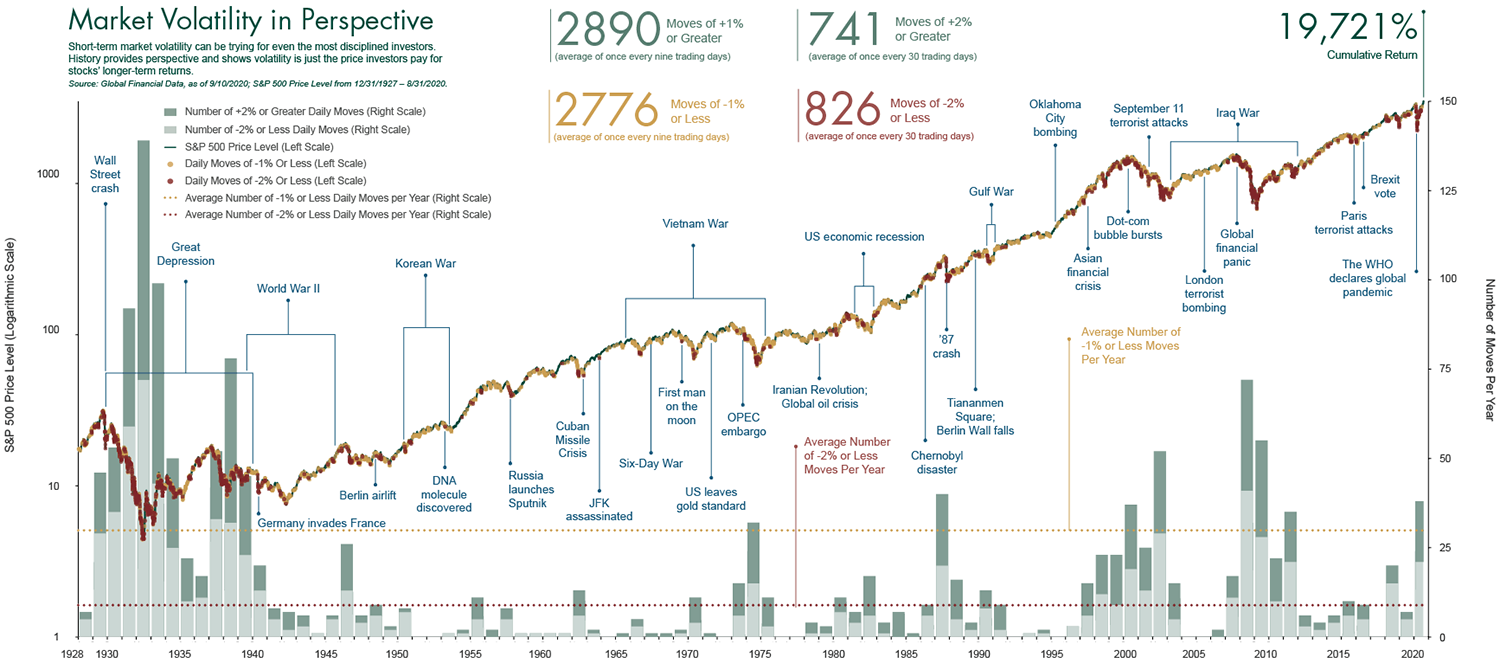
Successful long-term investing requires a clear strategy and the discipline to stick with it. One effective approach is dollar-cost averaging, which involves investing a fixed amount at regular intervals regardless of market conditions. This strategy helps mitigate the impact of market volatility by spreading out the purchase price over time. It also encourages consistent investing, which is crucial for building wealth over the long term.
Another essential principle is to avoid chasing "hot" stocks or trying to time the market. While it may be tempting to follow the latest trends or recommendations, this approach often leads to poor outcomes. Instead, focus on thorough research and a long-term perspective. As David Tenerelli, a certified financial planner, suggests, "It’s important to decide whether one is an investor or a trader. For most people in most situations, a long-term, buy-and-hold, diversified, low-cost investment approach is likely more suitable."
Avoiding Common Pitfalls
Investing is not without its challenges, and many investors fall into common traps that can hinder their success. One such pitfall is the tendency to sell winning investments too soon while holding onto losing ones. This behavior, often driven by emotional responses to market fluctuations, can prevent investors from realizing the full potential of their best-performing assets. Conversely, clinging to underperforming investments can result in missed opportunities and further losses.
Another common mistake is overemphasizing short-term metrics like the price-to-earnings (P/E) ratio. While the P/E ratio can provide useful insights, it should not be the sole factor in making investment decisions. Companies with high P/E ratios may still offer strong growth potential, while those with low P/E ratios might be facing underlying issues. It's essential to consider a broader range of factors, including growth rates, market position, and industry dynamics.
Embracing Diversification and Risk Management
Diversification is a cornerstone of sound investment strategy. By spreading investments across different asset classes, sectors, and geographies, investors can reduce the impact of any single investment's performance on their overall portfolio. This approach helps manage risk and increases the likelihood of achieving consistent returns over time.
Risk management is equally important. Investors should always assess their risk tolerance and ensure that their portfolio aligns with their financial goals and time horizon. While high-risk investments may offer the potential for higher returns, they also come with the possibility of significant losses. Balancing risk and reward is crucial for long-term success.
Conclusion
Investing for substantial personal gain is a journey that requires patience, discipline, and a solid understanding of fundamental principles. By adopting a long-term perspective, focusing on quality investments, and maintaining a consistent approach, investors can build wealth over time. The power of compounding, combined with strategic decision-making and risk management, can transform modest contributions into significant financial gains. As the examples of successful investors like Joel Greenblatt demonstrate, the path to substantial personal gain is paved with thoughtful planning, careful research, and unwavering discipline.

Post a Comment for "How to Invest for Substantial Personal Gain: A Comprehensive Guide"
Post a Comment