How to Effectively Harness Technology for Financial Gain in 2024
In today’s fast-paced digital world, technology is no longer just a tool—it’s a powerful lever for financial growth. Whether you're an individual investor, a small business owner, or someone looking to build wealth, the right technological tools can significantly enhance your ability to manage, grow, and protect your money. As we move into 2024, the landscape of financial technology continues to evolve rapidly, offering new opportunities for those who know how to harness it effectively.
This article explores practical strategies for leveraging technology to achieve financial gain, drawing on insights from industry experts, real-world examples, and the latest trends shaping the financial sector.
The Rise of Personalized Financial Advice Through AI
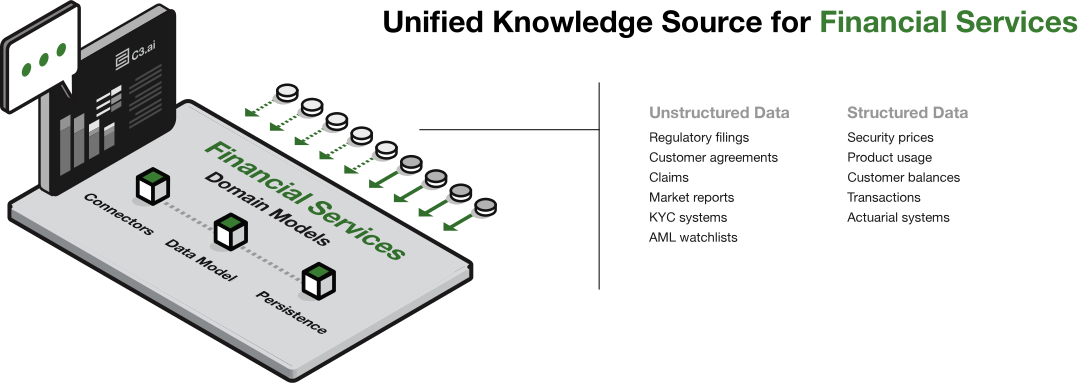
One of the most exciting developments in finance is the integration of generative artificial intelligence (AI) into personalized financial advice. Traditionally, financial planning has been a service reserved for those with substantial wealth, but AI is changing that dynamic by making tailored guidance more accessible and affordable.
According to David Thesmar, a professor at MIT Sloan, AI-powered tools are beginning to offer customized financial advice based on individual circumstances. These tools can help users decide which credit card to choose, what savings account to open, or even how to optimize their investment portfolio. For lower-income households, this could be a game-changer, as it reduces the cost of financial advice and makes it more widely available.
However, experts caution that while AI can provide valuable insights, it’s not foolproof. Users still need to understand their financial goals and ask the right questions. AI should be seen as a complement to human expertise, not a replacement. As AI becomes more sophisticated, it will likely play an even greater role in helping individuals make informed financial decisions.
Data-Driven Funding for Small Businesses
Small businesses have long struggled to access funding due to limited credit history or inconsistent cash flow. However, the rise of data-driven lending is changing the game. Lenders now use real-time financial data to assess loan eligibility, making it easier for small businesses to secure funding.
Platforms like Stripe Capital, Square Funding, and Amazon Lending are leading the way in this space. These services analyze transaction data to determine a business's financial health, allowing for faster and more accurate lending decisions. In China, Alipay has taken this concept even further, enabling businesses to access funding based on their order volume rather than traditional credit scores.
The benefits of this approach are clear: it reduces barriers to entry for small businesses and allows them to scale more efficiently. As more lenders adopt similar models, the future of small business financing looks increasingly data-centric.
Balancing Privacy and Perks: The Data Exchange Dilemma
As technology continues to integrate into our daily lives, consumers are increasingly asked to trade personal data for perks. This trend is particularly evident in industries like health insurance, where companies may offer lower rates in exchange for access to health metrics such as glucose levels or calorie consumption.
While this can lead to more personalized and potentially beneficial services, it also raises significant privacy concerns. Antoinette Schoar, another MIT Sloan professor, warns that less financially savvy consumers may be more susceptible to confusing contracts and unfavorable terms. Research has shown that people often underestimate their own self-control and may struggle to maintain the discipline required to fully benefit from these arrangements.
For those looking to leverage technology for financial gain, it's essential to weigh the potential benefits against the risks and ensure that any data-sharing agreements are transparent and fair.
The Evolving Crypto Market: Opportunities and Risks
Cryptocurrency has long been seen as a disruptive force in finance, offering new ways to access financial services. However, the market remains highly concentrated, with a handful of exchanges dominating the space. This concentration raises concerns about market stability and the potential for monopolistic behavior.
According to Schoar, the crypto market was once viewed as a "free-entry nirvana," but the lack of regulation has led to a situation where a few large players hold significant power. This poses risks for both investors and the broader financial system, as the failure of one major exchange could have far-reaching consequences.
Despite these challenges, crypto continues to offer unique opportunities for those willing to navigate its complexities. For tech-savvy investors, platforms like Binance and Coinbase remain popular choices, but it's crucial to approach this space with caution and a solid understanding of the risks involved.
Tools for Building Wealth: From Budgeting Apps to Advanced Platforms
For individuals looking to build wealth, technology offers a wide range of tools tailored to different needs and skill levels. Here are some of the most effective technologies currently in use:
1. Budgeting Apps
Apps like Mint and YNAB (You Need A Budget) help users track their spending, set financial goals, and stay on top of their budgets. These tools are especially useful for beginners who want to take control of their finances without overwhelming complexity.
2. Robo-Advisors
Platforms like Betterment and Wealthfront offer automated investment management at a lower cost than traditional advisors. They use algorithms to create personalized investment portfolios, making it easier for busy individuals to grow their wealth.
3. Online Brokers
For those who prefer a hands-on approach, online brokers like Robinhood and E*TRADE provide low-cost access to stocks, ETFs, and other investment options. These platforms are ideal for DIY investors looking to build a diversified portfolio.
4. Financial Planning Software
Tools like Personal Capital offer a comprehensive view of your financial life, including investments, retirement planning, and budgeting. These platforms are invaluable for making informed financial decisions and staying on track toward long-term goals.
For advanced investors, platforms like Morningstar Direct and MoneyGuidePro provide deeper analysis and more sophisticated tools for managing complex portfolios. These services are designed for those with significant assets and require a higher level of commitment and investment.
Practical Tips for Leveraging Technology for Financial Gain
To make the most of technology in your financial journey, consider the following tips:
- Stay Informed: Keep up-to-date with the latest trends and innovations in financial technology. Knowledge is power, and staying informed can help you make better decisions.
- Use the Right Tools: Choose tools that align with your financial goals and risk tolerance. Whether you're a beginner or an experienced investor, there's a technology solution that fits your needs.
- Protect Your Data: Be mindful of the data you share and ensure that any platforms you use have strong security measures in place.
- Diversify Your Approach: Don't rely on a single technology or strategy. Diversification can help mitigate risks and increase your chances of long-term success.
Common Questions and Practical Insights
Q: Can AI replace human financial advisors?
A: While AI can provide valuable insights and automate many tasks, it's unlikely to completely replace human advisors. Human expertise is still essential for complex financial decisions and personalized guidance.
Q: How can small businesses access funding more easily?
A: By leveraging data-driven lending platforms that analyze real-time financial data, small businesses can secure funding more quickly and efficiently than ever before.
Q: Is cryptocurrency a good investment?
A: Cryptocurrency can be a high-risk, high-reward investment. It's important to do thorough research and understand the risks before investing.
Conclusion
Harnessing technology for financial gain is no longer a luxury—it's a necessity. From AI-powered financial advice to data-driven lending and advanced investment platforms, the tools available today offer unprecedented opportunities for individuals and businesses alike. By staying informed, using the right technologies, and making smart decisions, you can position yourself for long-term financial success.
As we move into 2024, the key to unlocking financial potential lies in embracing innovation while maintaining a critical and informed perspective. With the right approach, technology can be a powerful ally in your journey toward financial freedom.

Post a Comment for "How to Effectively Harness Technology for Financial Gain in 2024"
Post a Comment