How to Build Wealth Through Rental Property Investments: A Complete Guide
When it comes to building wealth, few strategies have stood the test of time as effectively as investing in rental properties. For decades, real estate has been a cornerstone of financial success, offering a unique blend of passive income, long-term appreciation, and tax advantages. In today’s dynamic economic landscape, where inflation is on the rise and traditional investment options are increasingly volatile, rental properties remain a reliable path to wealth creation. Whether you're just starting out or looking to expand your portfolio, this guide will walk you through everything you need to know about building wealth through rental property investments.
The Power of Rental Properties for Wealth Building
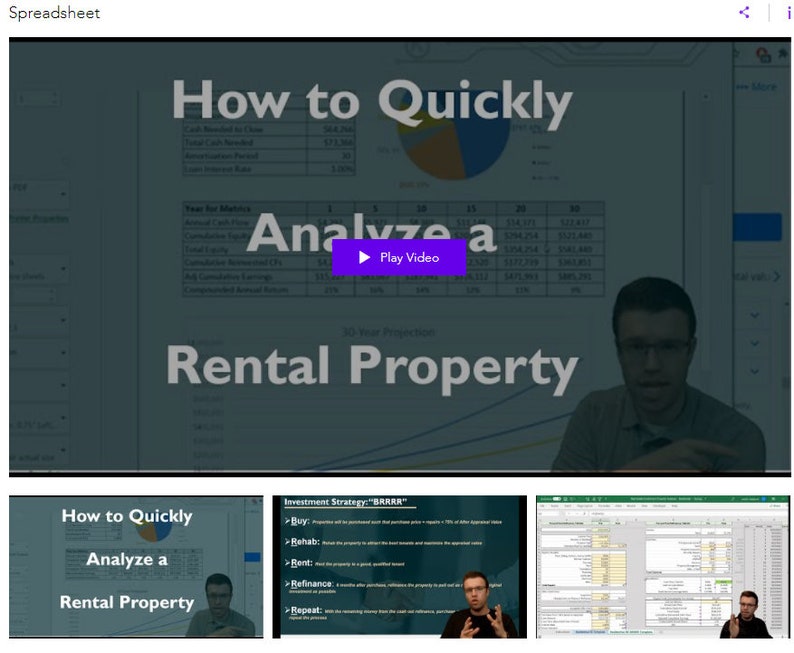
Rental properties are more than just homes—they’re financial engines. When managed properly, they can generate consistent cash flow, protect against inflation, and provide long-term value. According to a 2025 study by the Federal Reserve, real estate continues to be one of the most valuable assets for high-net-worth individuals, with rental properties playing a central role in their passive income strategies.
One of the primary benefits of rental properties is the ability to create passive income. Unlike stocks or bonds, which require active management, rental properties can generate monthly cash flow without constant oversight—especially if you partner with a professional property manager. Additionally, real estate tends to appreciate over time, meaning that the value of your property can grow significantly, allowing you to build equity and potentially sell for a profit.
Another advantage is the tax benefits associated with real estate ownership. Investors can deduct expenses such as property taxes, mortgage interest, and depreciation, reducing their taxable income. Plus, rental income is often not subject to Social Security tax, making it a more favorable option compared to other forms of income.
Key Steps to Invest in Rental Properties

If you're considering entering the rental property market, it's important to approach the process strategically. Here are the essential steps to get started:
1. Define Your Investment Goals
Before diving into the world of real estate, take the time to clarify your objectives. Are you looking for steady monthly cash flow, long-term appreciation, or a mix of both? Do you want to diversify your portfolio or build generational wealth? Understanding your goals will help shape your investment strategy and determine what markets, property types, and financing options are best for you.
2. Research Potential Markets
Location is one of the most critical factors in real estate success. Look for areas with strong rental demand, low vacancy rates, and growth potential. Tools like Zillow, Realtor.com, and local real estate listings can provide insights into property prices, rent trends, and market conditions. Consider factors like job growth, school districts, and proximity to amenities when evaluating potential locations.
3. Explore Financing Options
Most investors use mortgages to finance rental property purchases. While down payments typically range from 15% to 20%, there are also alternative options like FHA loans or VA loans that may offer lower requirements. It's also worth exploring fractional real estate investing, which allows you to invest in shares of properties without the burden of full ownership. Platforms like Realbricks make it easier than ever to start with as little as $100.
4. Calculate Your Cash Flow

A crucial step in any real estate investment is estimating your potential cash flow. This involves comparing your expected rental income with expenses such as property taxes, insurance, maintenance, and mortgage payments. Positive cash flow (where income exceeds expenses) is key to long-term success. Use tools like the 50% rule or calculate your cash-on-cash return to assess profitability.
5. Decide on Property Management
Will you manage the property yourself or hire a property management company? Self-management can save money but requires time and effort, while outsourcing offers convenience at a cost. Many investors choose to work with professionals who handle tenant issues, repairs, and day-to-day operations.
Emerging Trends in Rental Property Investing (2025–2026)
As we look ahead, several trends are shaping the future of rental property investing:
- Increased demand for affordable housing: With rising rents and limited supply, properties in affordable markets are becoming more attractive.
- Rise of short-term rentals: Platforms like Airbnb continue to influence the rental market, offering new opportunities for investors.
- Technology integration: From smart home devices to digital property management tools, technology is streamlining the rental process.
- Sustainability focus: Eco-friendly features like energy-efficient appliances and solar panels are becoming more common and can increase property value.
Common Questions and Practical Insights
Is it better to buy with cash or finance?
This depends on your financial situation and goals. Buying with cash provides immediate positive cash flow, but it may not be feasible for everyone. Financing allows you to leverage your capital and potentially grow your portfolio faster.
Should I invest in a condo?
Condos can be a good option for rental property buyers due to their lower costs and reduced maintenance needs. However, be sure to review the homeowners association (HOA) fees and financial health before investing.
What are the risks?
While rental properties offer significant rewards, they also come with challenges. Maintenance costs, vacancies, and market fluctuations can impact your returns. It's important to have an emergency fund and a solid plan in place.
Conclusion
Investing in rental properties is a powerful way to build wealth, offering the potential for steady income, long-term appreciation, and financial security. Whether you're a first-time investor or looking to expand your portfolio, the key to success lies in thorough research, strategic planning, and a long-term perspective.
By understanding the market, managing your finances wisely, and leveraging modern tools like fractional real estate investing, you can unlock the full potential of rental property investments. With the right approach, your journey to wealth through real estate can be both rewarding and sustainable.

Post a Comment for "How to Build Wealth Through Rental Property Investments: A Complete Guide"
Post a Comment