How to Build Unparalleled Personal Wealth Through Smart Investing
In the ever-evolving landscape of personal finance, the pursuit of unparalleled personal wealth has become a top priority for many. The journey to financial freedom isn't just about earning money—it's about growing it wisely and sustainably. For those who understand the power of smart investing, the path to building wealth is not only possible but also highly rewarding. This article explores how you can harness the principles of strategic investing to create lasting financial security and build a legacy that outlives you.
Understanding the Basics of Investing
At its core, investing is the act of allocating resources—typically money—with the expectation of generating a profit or gain in the future. However, it’s far more nuanced than simply buying and selling assets. Successful investing requires a blend of knowledge, patience, and discipline. It involves understanding different asset classes, managing risk, and making informed decisions based on your financial goals and time horizon.
One of the most critical aspects of investing is the concept of capital gains tax. When you sell an investment at a profit, the gains can be taxable unless the sale occurs within a retirement account. Long-term capital gains, which occur when you hold an investment for more than a year, are taxed more favorably than short-term gains. This makes holding investments for the long term a key strategy for maximizing returns while minimizing tax liabilities.
Another important consideration is dividends and interest income. Many stocks distribute profits to investors as dividends, while bonds and certificates of deposit (CDs) pay interest. These forms of income can be taxable, but they often come with favorable tax treatment if they meet specific criteria, such as being classified as qualified dividends.
Common Myths About Investing
Despite the potential for significant rewards, many people are hesitant to start investing due to common misconceptions. One of the most pervasive myths is that you need a large amount of money to begin. In reality, the rise of zero-commission brokers and fractional shares has made it easier than ever to start investing with minimal capital. You can build a diversified portfolio with as little as $100 or even less, provided you invest consistently over time.
Another myth is that investing is too risky. While the market can be volatile in the short term, historical data shows that over the long term, investing can be a powerful tool for wealth creation. The key is to avoid emotional decisions and focus on long-term growth. Day trading, for instance, is best left to professionals. The most effective way to generate strong returns is to buy high-quality investments and hold them for the long haul.
Key Mistakes to Avoid
For first-time investors, avoiding common pitfalls is just as important as making the right moves. Over-trading, for example, is one of the biggest mistakes. Constantly buying and selling can lead to poor performance, as it often results in missing out on market upswings and paying unnecessary transaction fees. Emotional decision-making—such as selling during downturns or buying during bubbles—can also derail your financial plan.
Another critical mistake is using margin (borrowed money) to invest. While it may seem like a way to boost returns, it also amplifies losses. Similarly, options trading should be approached with caution, especially for beginners. It’s essential to distinguish between investing and speculating, as the latter carries significantly higher risks.
Building Long-Term Wealth Through Diversification
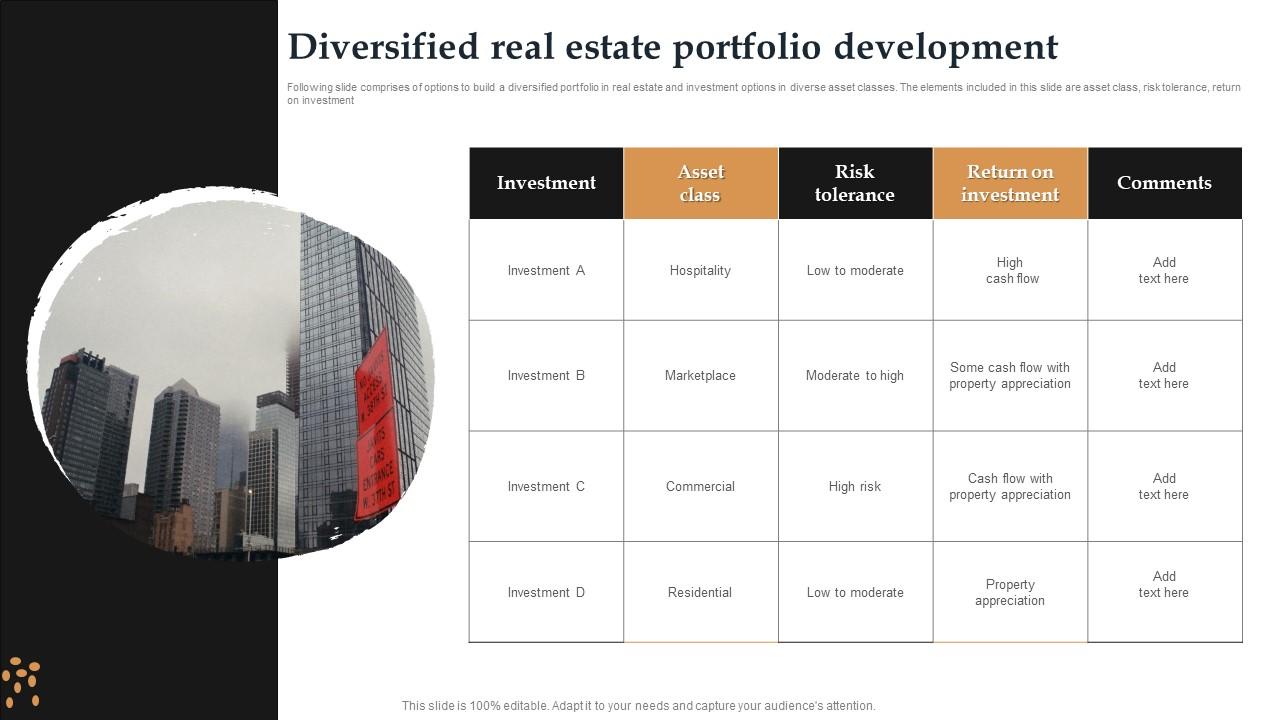
The cornerstone of successful investing is diversification. By spreading your investments across different asset classes, sectors, and geographies, you reduce risk and increase the potential for consistent returns. A well-diversified portfolio might include a mix of stocks, bonds, real estate, and commodities, each playing a unique role in your overall strategy.
For example, stocks offer the potential for high returns but come with higher risk. Bonds provide steady income and stability, making them ideal for conservative investors. Real estate can generate rental income and appreciate in value over time, while commodities like gold and oil serve as hedges against inflation.
The Power of Automation and Consistency

One of the most effective strategies for building wealth is automating your investments. Setting up regular contributions to your investment accounts ensures that you’re consistently adding to your portfolio, regardless of market conditions. This approach, known as dollar-cost averaging, helps smooth out the effects of market volatility by purchasing a fixed amount of an investment at regular intervals.
Additionally, automating your contributions can help you stay disciplined and avoid the temptation to make impulsive decisions. Many employers offer automatic enrollment in 401(k) plans, and similar features are available for brokerage accounts and other investment vehicles. By taking advantage of these tools, you can build wealth without constantly monitoring the markets.
Reinvesting Dividends and Compounding Growth
Another crucial aspect of wealth-building is reinvesting dividends. Rather than taking cash payments from dividend-paying stocks, reinvesting them allows you to purchase additional shares, which can compound your returns over time. This compounding effect is one of the most powerful forces in investing, as it enables your money to grow exponentially.
For example, if you reinvest all your dividends and achieve an average annual return of 7%, your investment could double in approximately 10 years. Over 30 years, that same investment could grow by more than 700%, assuming consistent returns and no major setbacks.
Staying Informed and Adapting
The financial landscape is constantly changing, and staying informed is essential for long-term success. Regularly reviewing your portfolio and adjusting it as needed ensures that it remains aligned with your financial goals and risk tolerance. This doesn’t mean making frequent changes, but rather conducting periodic assessments to ensure your investments are performing as expected.
Frequently Asked Questions
What is the long-term strategy for building wealth?
A long-term strategy involves consistent investing in a diversified portfolio of assets, including stocks, real estate, and bonds. Saving regularly, avoiding debt, and reinvesting earnings are also key components of this approach.
Which strategy is best for long-term investment?
The best long-term investment strategy is to diversify your portfolio and maintain a disciplined approach. Regularly review and adjust your investments to align with your financial goals.
Where can I get a 10% return on investment?
Potential avenues for a 10% return include stock market index funds, real estate, and peer-to-peer lending. However, it’s important to consult with a financial advisor to tailor options to your specific situation.
Which investment gives the most money after 10 years?
Stocks and real estate typically offer the highest returns over a 10-year period, provided you maintain a diversified and well-managed portfolio.
Conclusion
Building unparalleled personal wealth through smart investing is a journey that requires knowledge, patience, and consistency. By understanding the fundamentals of investing, avoiding common mistakes, and adopting a long-term perspective, you can create a financial foundation that supports your goals and aspirations. Whether you're just starting out or looking to refine your strategy, the principles outlined in this article can guide you toward lasting financial success. Start today, and let your investments work for you tomorrow.

Post a Comment for "How to Build Unparalleled Personal Wealth Through Smart Investing"
Post a Comment