How to Build Substantial Personal Wealth Through Smart Investing
In the United States, the pursuit of financial independence has never been more critical. With rising living costs and uncertain economic conditions, many Americans are looking for reliable ways to grow their wealth over time. While there are countless paths to financial success, one of the most effective and accessible strategies is investing for substantial personal riches through smart, long-term approaches. This article explores proven methods that can help you build lasting wealth, focusing on disciplined investing, diversified portfolios, and the power of compounding.
The Power of Long-Term Investing
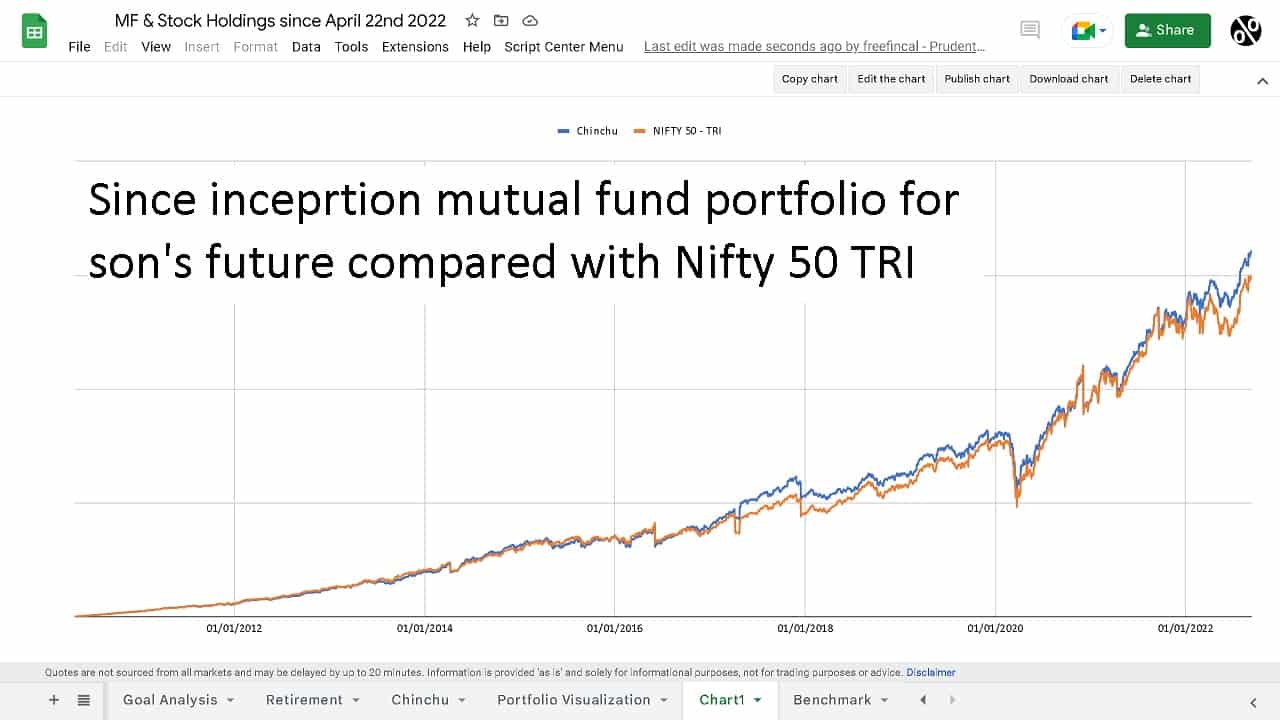
Wealth doesn’t come from a single stroke of luck—it’s built through consistent effort, patience, and strategic decision-making. In 2026, mutual funds remain one of the most trusted tools for long-term investors. These funds allow individuals to invest in a broad range of assets without needing deep market expertise. By pooling money with other investors, mutual funds offer diversification, reducing the risk associated with individual stock picking.
For those who are new to investing, mutual funds provide a simple way to start. You don’t need to be an expert in finance or spend hours analyzing stocks. Instead, professional fund managers handle the heavy lifting, making decisions based on market trends and company performance. Over time, this approach can lead to steady growth, especially when combined with regular contributions.
Understanding the Different Types of Mutual Funds
Not all mutual funds are created equal. Choosing the right type depends on your financial goals, risk tolerance, and investment horizon. Here are some of the most common options:
- Large-Cap Funds: These invest in well-established companies with a history of stable growth. They tend to be less volatile than smaller companies, making them ideal for risk-averse investors.
- Mid-Cap Funds: These target medium-sized companies that have the potential for higher growth but come with more risk than large-cap funds.
- Small-Cap Funds: These focus on smaller, high-growth companies. While they offer the potential for significant returns, they also carry higher volatility and risk.
- Flexi-Cap Funds: These funds adapt their investments based on market conditions, offering a balance between growth and stability.
- Hybrid Funds: These combine stocks and bonds to provide both growth and income, making them suitable for balanced investors.
- ELSS Funds: Equity-Linked Savings Schemes (ELSS) are tax-efficient options that offer long-term capital appreciation while providing tax benefits.
Each type of fund has its own advantages and risks, so it's essential to align your choices with your financial objectives and risk profile.
The Role of Systematic Investment Plans (SIPs)
One of the most effective ways to build wealth over time is through Systematic Investment Plans (SIPs). This method allows you to invest a fixed amount at regular intervals, regardless of market conditions. By doing so, you avoid the pitfalls of trying to time the market and instead benefit from dollar-cost averaging.
For example, if you invest $500 every month in a mutual fund, you’ll buy more units when prices are low and fewer units when prices are high. Over time, this strategy can reduce the impact of market volatility and help you accumulate more wealth consistently.
Avoiding Common Pitfalls

Even the most disciplined investors can fall into traps that derail their long-term goals. Here are some mistakes to avoid:
- Chasing Short-Term Gains: Focusing on quick profits often leads to poor decisions. Markets fluctuate, and short-term movements should not dictate long-term strategies.
- Frequent Trading: Constantly switching funds can erode returns due to transaction fees and missed opportunities for compounding.
- Ignoring Diversification: Putting all your money into a single fund or asset class increases risk. A well-diversified portfolio spreads risk across different sectors and industries.
- Panicking During Downturns: Market corrections are normal. Selling during a downturn locks in losses and prevents you from benefiting from future recoveries.
By staying focused on your long-term goals and maintaining discipline, you can avoid these common missteps and stay on track toward building substantial personal wealth.
Emerging Trends in 2026
As we move further into 2026, several trends are shaping the investment landscape:
- Increased Adoption of Index Funds: Passive investing continues to gain traction as more investors recognize the benefits of low-cost index funds. These funds track broad market indices, offering exposure to a wide range of companies without the need for active management.
- Rise of ESG Investing: Environmental, Social, and Governance (ESG) criteria are becoming increasingly important. Many investors now seek out funds that align with their values while still delivering strong returns.
- Digital Asset Opportunities: While traditional investments remain dominant, digital assets such as cryptocurrencies and NFTs are gaining attention. However, these are high-risk and speculative, requiring careful consideration.
These trends highlight the evolving nature of investing and the importance of staying informed about market developments.
Practical Tips for Building Wealth
Here are a few actionable steps to help you get started on your journey to substantial personal wealth:
- Set Clear Financial Goals: Define what you want to achieve—whether it's retirement, homeownership, or funding education. Having specific targets will keep you motivated.
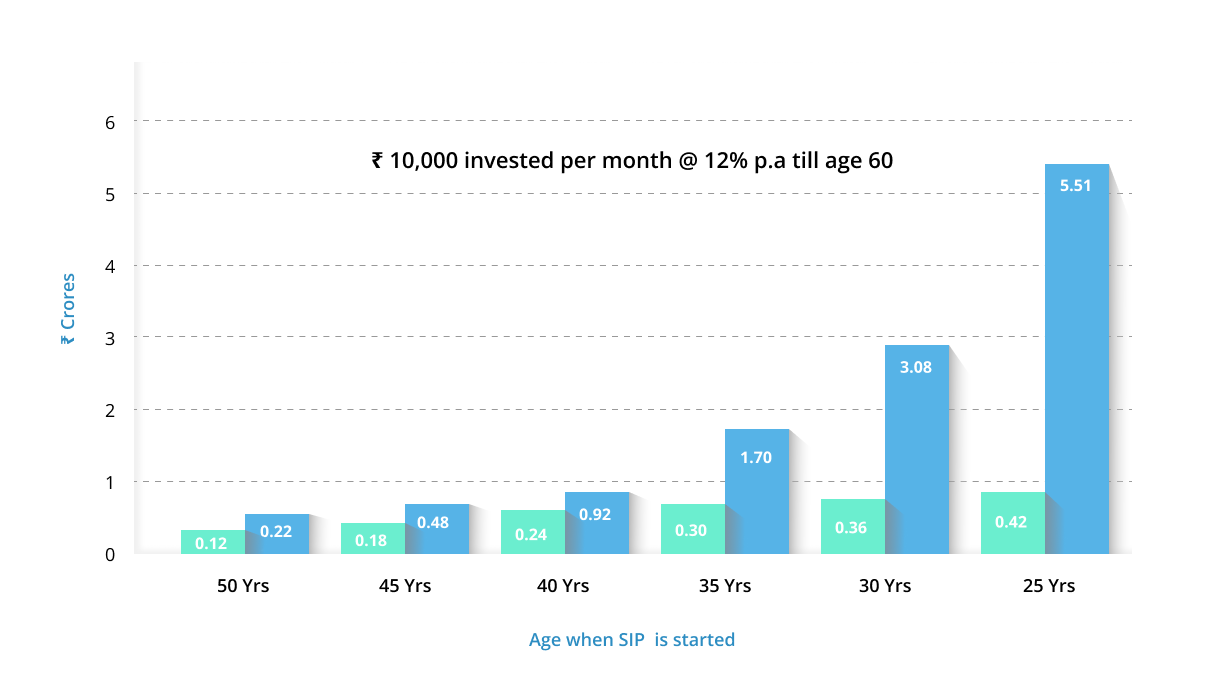
- Start Early and Stay Consistent: The earlier you begin investing, the more time your money has to grow. Even small contributions made regularly can add up significantly over time.
- Diversify Your Portfolio: Spread your investments across different asset classes and geographic regions to minimize risk.
- Reinvest Dividends: Reinvesting earnings can accelerate wealth accumulation by taking advantage of compound growth.
- Stay Educated: Continuously learn about investing, market trends, and personal finance. Knowledge is a powerful tool for making informed decisions.
Conclusion
Building substantial personal wealth is not about getting rich quickly—it's about making smart, consistent choices over time. Whether through mutual funds, index funds, real estate, or digital assets, the key to long-term success lies in discipline, patience, and a well-thought-out strategy.
In 2026, the investment landscape offers numerous opportunities for those willing to take a long-term view. By avoiding common mistakes, staying diversified, and leveraging the power of compounding, you can create a solid foundation for financial freedom. Remember, wealth is a journey, not a destination. With the right mindset and approach, you can achieve your financial goals and secure a prosperous future.

Post a Comment for "How to Build Substantial Personal Wealth Through Smart Investing"
Post a Comment