7 Proven Pathways to Achieve Exceptional Financial Growth
In today’s ever-changing economic landscape, achieving exceptional financial growth is no longer just about luck or timing. It's about strategy, discipline, and a deep understanding of how to leverage your resources effectively. Whether you're an entrepreneur, investor, or someone looking to build wealth, the right financial strategies can make all the difference. This article explores seven proven pathways to achieve exceptional financial growth in 2025 and beyond.

1. Start With True Financial Visibility
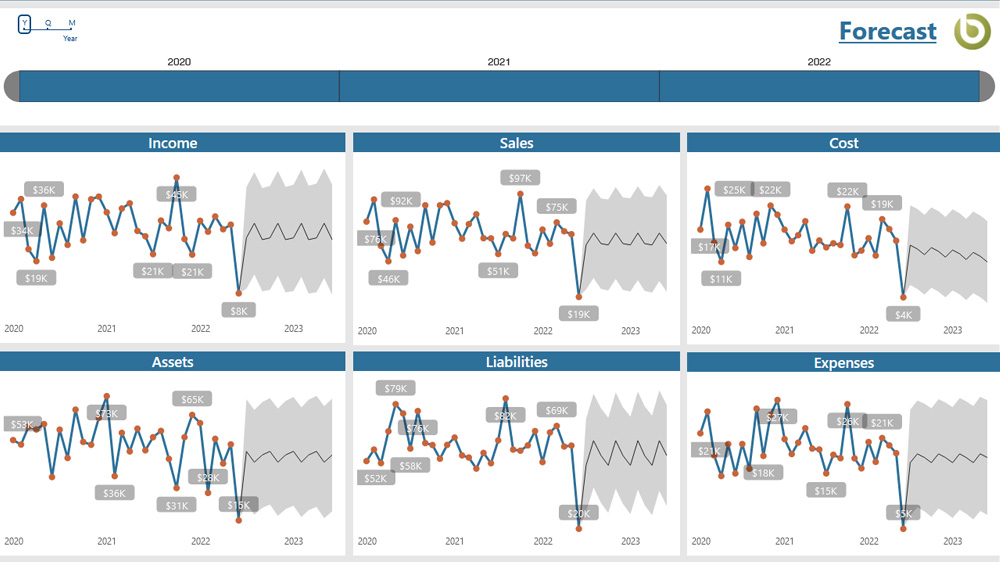
One of the most critical steps in building long-term financial growth is gaining true visibility into your financial health. Many business owners rely on their bookkeeper for compliance, but that’s only part of the story. True financial visibility means having up-to-date, accurate financial statements and understanding what they mean.
You should be able to answer questions like:
- How much cash runway do we have?
- What’s our gross margin, and is it trending up or down?
- Which clients, projects, or products are actually profitable?
When financial reports are current and interpreted properly, you can spot early warning signs, identify what drives profit, and make confident decisions. If you’re only reviewing your numbers once a year at tax time, you’re managing backward. Real-time data is what fuels strategic growth.
2. Manage Cash Flow Like a Growth Lever

Growth doesn’t kill businesses—it’s cash flow mismanagement that does. When revenues increase, so do expenses: payroll, materials, inventory, software, taxes. If your receivables lag behind your payables, even a record month can lead to a cash crunch.
Here’s what we advise clients to implement:
- Cash Flow Forecasting: Project inflows and outflows 13 weeks ahead. It helps anticipate gaps, not react to them.
- Tighten Payment Terms: Offer small discounts for early payments and set clear collection policies.
- Separate Operating and Tax Accounts: Move a portion of funds monthly into a tax reserve. This prevents year-end surprises.
- Reinvest Strategically: Fund marketing, hiring, or equipment upgrades only from sustainable cash, not short-term highs.
Controlled growth keeps cash flowing, uncontrolled growth drains it.
3. Use Your Financials to Guide Strategy, Not Just Compliance
Your financial data should do more than satisfy regulatory requirements; it should guide every major business decision. Ask yourself:
- Are my current service lines or product offerings profitable enough to scale?
- Which costs could be variable instead of fixed?
- Does my pricing reflect inflation and value?
When business owners understand their margins, breakeven points, and cost structures, they make decisions that move the business forward, not just keep it running. Many small business owners tell us, “I wish I had known this before investing in that expansion.” That’s what CFO-level financial guidance prevents.
4. Build a Financial Cushion Before You Need It
The most successful small businesses treat their cash buffer as non-negotiable. A minimum of three to six months of operating expenses in reserve gives you freedom to make strategic hires, invest in new opportunities, or weather a slow quarter without panic.
If that feels impossible right now, start small. Commit to saving a percentage of every sale. Over time, that cushion becomes your growth safety net.
5. Partner With a Fractional CFO for Strategic Growth
Many small business owners hesitate to bring in financial leadership because they assume it’s only for large corporations. The reality is that a Fractional CFO offers exactly what growing companies need: high-level financial strategy, without the full-time cost.
A CFO helps you:
- Forecast growth scenarios with clarity
- Build budgets that align with business goals
- Create dashboards that track key performance indicators (KPIs)
- Develop pricing and cash strategies that drive profit
It’s about turning financial data into direction. When you have that kind of insight guiding your decisions, your growth stops being reactive, it becomes intentional.
6. Leverage Technology for Financial Efficiency
In 2025, technology plays a crucial role in financial management. From AI-driven analytics to automated accounting systems, there are numerous tools that can help you streamline operations and gain deeper insights into your financial health.
Investing in the right technology can reduce manual work, minimize errors, and provide real-time data that supports informed decision-making. For example, cloud-based financial platforms allow you to access your financial information from anywhere, ensuring that you’re always in control.
7. Diversify Your Income Streams
Relying on a single source of income can be risky, especially in uncertain times. Diversifying your income streams can provide stability and open up new avenues for growth. This could involve expanding into new markets, launching new products or services, or exploring passive income opportunities such as investments or rental properties.
Diversification not only reduces risk but also increases your potential for long-term financial growth. By spreading your income across different sources, you create a more resilient financial foundation.
Common Questions or Practical Insights
Q: How often should I review my financial statements?
A: Ideally, you should review your financial statements on a monthly basis. This allows you to stay on top of trends, identify issues early, and make timely adjustments.
Q: What’s the best way to manage cash flow?
A: Implementing a cash flow forecasting system, tightening payment terms, and separating operating and tax accounts are all effective strategies for managing cash flow.
Q: Should I hire a fractional CFO even if I’m a small business?
A: Yes. A fractional CFO can provide valuable insights and strategic guidance that can help you grow your business more effectively, even if you’re not ready for a full-time CFO.
Conclusion
Exceptional financial growth isn’t about quick wins or short-term gains. It’s about building a solid foundation, making informed decisions, and staying committed to your long-term goals. By focusing on true financial visibility, managing cash flow effectively, leveraging technology, and diversifying your income streams, you can create a path to sustainable financial success.
Remember, the journey to financial growth requires patience, discipline, and a willingness to adapt. But with the right strategies in place, you’ll be well on your way to achieving the financial future you’ve always dreamed of.

Post a Comment for "7 Proven Pathways to Achieve Exceptional Financial Growth"
Post a Comment