Top Strategies for Achieving Extreme Financial Growth
In the ever-evolving world of personal finance, the pursuit of extreme financial growth has become a top priority for many. Whether you're aiming to retire early, start a business, or simply build long-term wealth, the strategies you adopt can make all the difference. While there are countless approaches to financial success, some methods stand out for their effectiveness and adaptability. In this article, we’ll explore proven strategies that can help you accelerate your financial journey, backed by real-world insights and actionable steps.
The Power of Debt Management

One of the most critical components of extreme financial growth is managing debt effectively. While debt itself isn’t inherently bad, how you handle it can either hinder or propel your financial progress. A popular approach is the Debt Snowball Method, which focuses on paying off smaller debts first to build momentum. This method leverages psychological motivation, as seeing quick wins can keep you motivated to tackle larger debts over time.
However, another strategy, the Debt Avalanche Method, prioritizes paying off high-interest debt first. This approach saves money in the long run by reducing the amount of interest paid over time. Both methods have their merits, but the key is to choose one that aligns with your personality and financial goals. For instance, if you thrive on small victories, the Debt Snowball might be more motivating. If you’re focused on saving money, the Debt Avalanche could be more effective.
Building a Robust Emergency Fund

Before diving into aggressive investment strategies, it’s essential to establish a solid emergency fund. An emergency fund acts as a financial safety net, protecting you from unexpected expenses that could derail your plans. Experts recommend having at least 3-6 months’ worth of living expenses saved up. This fund should be easily accessible, such as in a high-yield savings account, so you can quickly access the funds when needed.
The importance of an emergency fund cannot be overstated. It provides peace of mind and allows you to focus on long-term financial goals without the stress of potential emergencies. Moreover, having this buffer can prevent you from relying on credit cards or loans during tough times, which can lead to a cycle of debt.
Investing for the Future
Investing is one of the most powerful tools for achieving extreme financial growth. Whether through stocks, bonds, mutual funds, or real estate, investing allows your money to grow over time. The key is to start early and stay consistent. Even small contributions can add up significantly due to the power of compound interest.
A common strategy is to invest a percentage of your income regularly. Many financial advisors recommend allocating at least 15% of your income towards retirement savings. However, the exact percentage depends on your financial goals and risk tolerance. Diversifying your investments across different asset classes can also help mitigate risk and increase potential returns.
Increasing Income Streams
While saving and investing are crucial, increasing your income is equally important. The more money you earn, the more you can save and invest. There are several ways to boost your income, including:
- Side Hustles: Starting a side business or freelancing can provide additional income.
- Up-skilling: Learning new skills or certifications can lead to higher-paying job opportunities.
- Investing in Yourself: Spending on education or training can enhance your career prospects.
By diversifying your income streams, you create multiple sources of revenue, which can provide financial stability and open up new opportunities for growth.
Budgeting and Expense Management
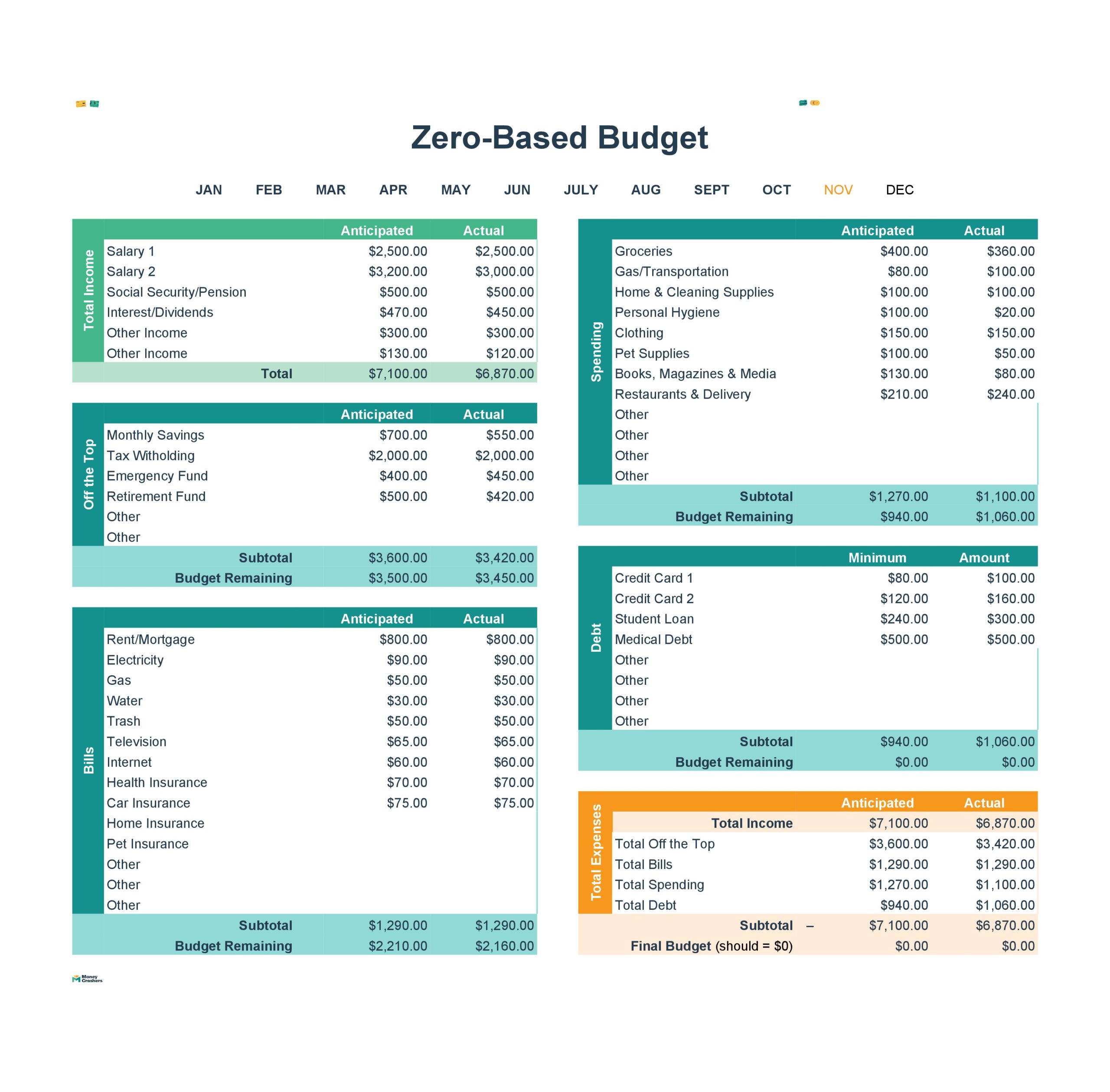
Effective budgeting is a cornerstone of financial success. A well-structured budget helps you track your income and expenses, ensuring you’re not overspending. One popular method is the Zero-Based Budget, where every dollar is assigned a purpose. This approach encourages mindful spending and helps identify areas where you can cut back.
Additionally, tracking your expenses can reveal patterns and help you make informed decisions about where to allocate your money. By understanding your spending habits, you can make adjustments that align with your financial goals.
Embracing a Wealth Mindset
Finally, achieving extreme financial growth requires a mindset shift. It’s not just about numbers; it’s about cultivating a mindset that values financial independence and long-term planning. This includes:
- Setting Clear Goals: Define what financial success means to you and set specific, measurable objectives.
- Staying Disciplined: Consistency is key. Stick to your financial plan even when faced with challenges.
- Continuous Learning: Stay informed about financial trends and strategies to make educated decisions.
A wealth mindset also involves surrounding yourself with like-minded individuals who can support and inspire you. Joining communities or groups focused on financial growth can provide valuable insights and motivation.
Conclusion
Achieving extreme financial growth is a multifaceted journey that requires a combination of strategies, discipline, and a proactive mindset. From managing debt and building an emergency fund to investing wisely and increasing income, each step plays a vital role in your financial success. By adopting these strategies and staying committed to your goals, you can unlock the potential for significant financial growth and achieve the life you desire. Remember, the path to financial freedom is unique for everyone, so find what works best for you and stay focused on your journey.

Post a Comment for "Top Strategies for Achieving Extreme Financial Growth"
Post a Comment