Top Strategic Frameworks for Building Massive Wealth in 2025
Have you ever stared at your bank account and wondered, “Where did it all go?” It’s a common dilemma, especially in a world where income growth often doesn’t translate to financial clarity. The key to building massive wealth lies not just in earning more, but in how you strategically manage and grow that income. In 2025, with the right frameworks, anyone can transform their financial future. Let’s explore the most effective strategies for achieving long-term financial success.
Understanding the 50/30/20 Budget Rule

The 50/30/20 budget rule is a simple yet powerful framework for managing your finances. It divides your after-tax income into three categories: 50% for needs, 30% for wants, and 20% for savings and debt repayment. This method eliminates the need for complex spreadsheets and allows you to focus on what truly matters.
At its core, the 50/30/20 rule is about balance. It ensures that you’re covering your essential expenses while also setting aside money for savings and personal enjoyment. For busy professionals, this structure offers a clear roadmap without the stress of micromanaging every transaction.
Adapting the Framework for Different Career Stages
While the percentages remain constant, the application of the 50/30/20 rule evolves as your career progresses. Here’s how it looks at different stages:
Early Career ($50,000 Salary)
With a monthly after-tax income of around $3,400, your budget might look like this: - Needs ($1,700): Rent, groceries, utilities, and transportation. - Wants ($1,020): Dining out, streaming subscriptions, and occasional travel. - Savings ($680): Emergency fund and retirement contributions.
This stage is all about survival and building a foundation. Every dollar has a purpose, and the focus is on keeping expenses manageable.
Mid-Career ($100,000 Salary)
Your after-tax income jumps to approximately $6,250. Now, you have more flexibility: - Needs ($3,125): Upgraded housing, better insurance, and quality groceries. - Wants ($1,875): Regular dinners out, gym memberships, and travel. - Savings ($1,250): Maxing out retirement accounts and building a robust emergency fund.
Here, the challenge is to avoid lifestyle inflation. The goal is to maintain a healthy balance between enjoying your income and growing your wealth.
Senior Career ($200,000+ Salary)
With an after-tax income of around $11,500, your budget might shift: - Needs ($5,750): Premium housing, health insurance, and quality groceries. - Wants ($3,450): First-class travel, home renovations, and luxury experiences. - Savings ($2,300): Maximizing retirement accounts and investing in taxable portfolios.
At this stage, the focus shifts from saving to investing. You’re no longer just building wealth; you’re creating a legacy.
The Psychology Behind the Framework
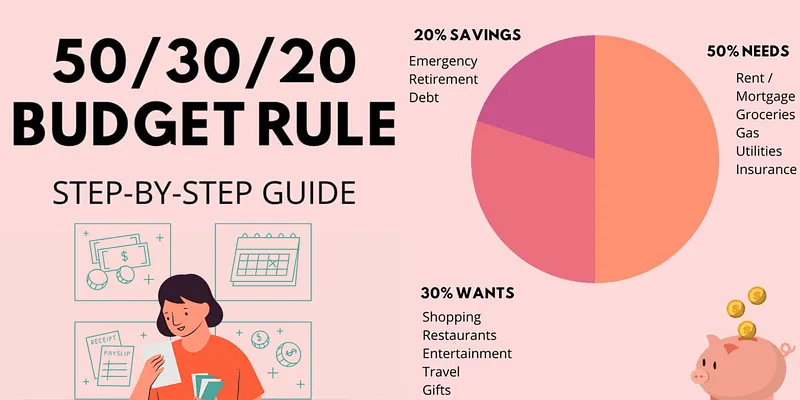
The 50/30/20 rule isn’t just about numbers—it’s about mindset. According to the American Psychological Association’s 2024 Stress in America report, money is a top stressor for adults. However, those with structured budgets report significantly lower financial anxiety.
Fixed percentages create a sense of control. You’re not relying on moment-to-moment decisions but on pre-set guidelines. This reduces the mental load and allows you to enjoy your income without guilt.
Moreover, the framework helps combat the comparison trap. When you know you’re hitting your savings targets, you’re less likely to feel pressured by others’ lifestyles. You’re focused on your own journey, which is crucial for long-term success.
Common Mistakes and How to Fix Them
Even the best frameworks can be derailed by common mistakes. Here are some pitfalls to avoid:
Using Gross Income Instead of After-Tax Income
Many people calculate their budgets based on gross income, which can lead to unrealistic expectations. Always use your actual take-home pay. If you’re paid biweekly, multiply one paycheck by 26 and divide by 12 to get your monthly working number.
Misclassifying Wants as Needs
It’s easy to justify spending on “necessities” that aren’t truly essential. Apply the substitution test: Could you meet this need for significantly less? If yes, it’s a want.
Ignoring Irregular Income
Bonuses, commissions, and other irregular income sources should be treated as opportunities rather than guaranteed revenue. Use them to boost your savings or tackle specific goals.
Treating the Rule as Rigid Dogma
Flexibility is key. Life circumstances change, and so should your budget. Use the 50/30/20 rule as a guide, not a strict set of rules.
Implementing the 50/30/20 Framework
Ready to take action? Here’s a step-by-step plan to implement the 50/30/20 budget:
- Calculate Your After-Tax Monthly Income: Use your last three pay stubs to determine your working number.
- Track Your Spending: Observe your actual spending for a month to understand where your money goes.
- Identify Gaps: Look for areas where you’re overspending, such as housing or subscriptions.
- Automate Savings: Set up automatic transfers to ensure your 20% savings target is met.
- Set a Monthly ‘Wants’ Allowance: Divide your 30% into weekly chunks to avoid overspending.
This approach is not about restriction—it’s about intentionality. You’re deciding how to deploy your income to build the life you want.
Wealth Accumulation Strategies
Building massive wealth requires a combination of strategies. Here are some key approaches:
Lower Expenses
Reducing expenses is a critical step in wealth accumulation. Focus on the “big 3” – housing, transportation, and food. These typically account for over 60% of consumer spending.
Increase Income
Boosting your income through promotions, side hustles, or education can accelerate wealth growth. Whether it’s negotiating a raise or starting a side business, increasing your earning potential is vital.
Invest Wisely
Investing your savings is where wealth truly grows. Tax-advantaged accounts like IRAs and 401(k)s offer significant benefits. Diversifying your portfolio across stocks, bonds, real estate, and other assets can provide stability and growth.
Conclusion
Building massive wealth in 2025 requires a strategic approach. The 50/30/20 budget rule provides a solid foundation, but it’s the adaptability and discipline you bring to it that will determine your success. By understanding your financial habits, making informed decisions, and staying committed to your goals, you can achieve the financial freedom you deserve. Remember, wealth isn’t just about money—it’s about creating a life of security, independence, and legacy. Start today, and watch your financial future flourish.

Post a Comment for "Top Strategic Frameworks for Building Massive Wealth in 2025"
Post a Comment