The Ultimate Guide to Acquiring Considerable Personal Wealth
In a world where financial stability is increasingly hard to come by, the idea of acquiring considerable personal wealth might seem like a distant dream. But what if I told you that building wealth isn’t about luck or inheritance? It’s about strategy, discipline, and a clear understanding of how money works. In 2025, with the rise of digital finance, automation, and new investment opportunities, the path to wealth has never been more accessible—or more exciting. If you're ready to take control of your financial future, this guide will walk you through the essential steps to build lasting wealth.
Step 1: Set Clear and Realistic Financial Goals
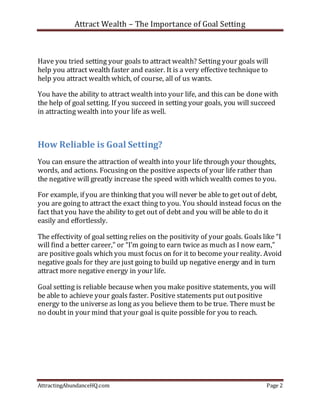
The journey to wealth begins with a destination. Without clear goals, it's easy to drift without purpose. Start by identifying both short-term and long-term objectives. Short-term goals might include paying off credit card debt or saving for a vacation, while long-term goals could be buying a home, retiring early, or building a business.
But don't just think in vague terms. Be specific. Instead of saying, “I want to save more money,” define an exact amount and timeline. For example, “I want to save $5,000 in six months.” This clarity turns abstract ideas into actionable plans.
Prioritize your goals based on their impact on your life. Ask yourself: Which goal would make the most difference right now? This helps you allocate resources wisely and avoid spreading yourself too thin.
Step 2: Understand Your Spending Habits

Before you can manage your money effectively, you need to understand where it’s going. Start by tracking every expense—no matter how small. Use apps like Mint or YNAB (You Need A Budget) to categorize your spending into fixed costs, savings, investments, and discretionary spending.
Look for patterns. Do you spend too much on dining out? Are you paying for subscriptions you no longer use? Identifying these habits allows you to make informed decisions about where to cut back and where to invest.
This process isn’t about deprivation; it’s about awareness. Once you know where your money goes, you can start making smarter choices.
Step 3: Create a Realistic Budget
A budget isn’t a restriction—it’s a tool for financial freedom. Use the 50/30/20 rule as a starting point: 50% of your income for necessities (rent, utilities), 30% for wants (entertainment, hobbies), and 20% for savings and debt repayment. This balance ensures you’re living within your means while still investing in your future.
But remember, your budget should evolve with your life. As your income grows or your expenses change, adjust your plan accordingly. The key is to remain flexible and responsive to your changing circumstances.
Step 4: Build an Emergency Fund
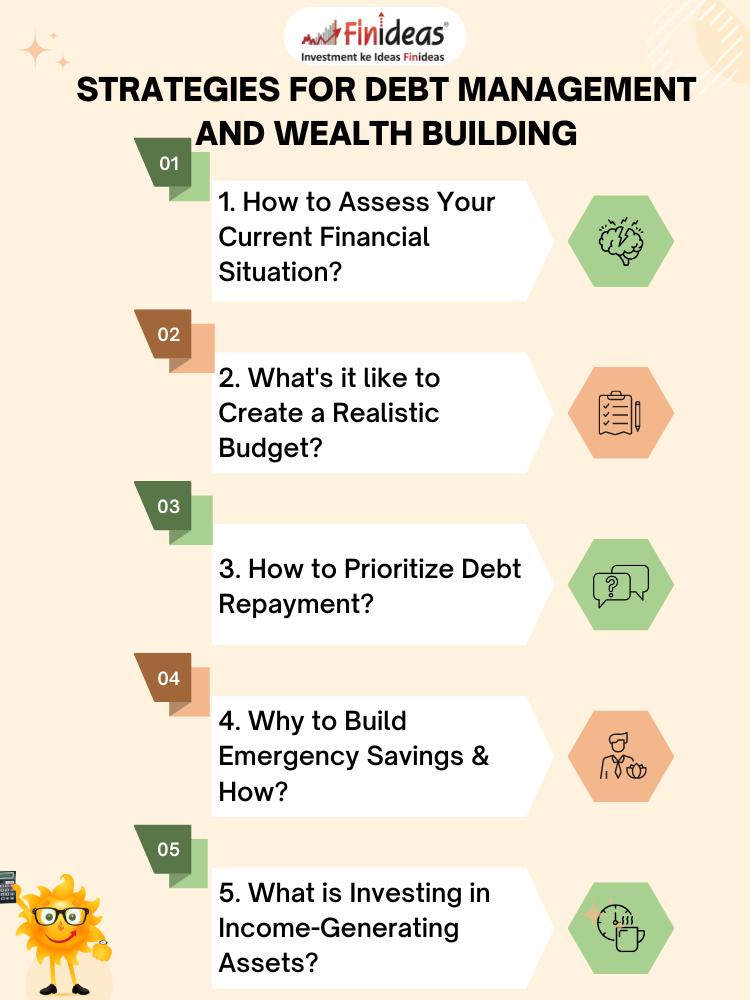
Life is unpredictable, and having an emergency fund is one of the most important steps in securing your financial future. Aim to save at least three to six months’ worth of living expenses in a high-yield savings account. This fund acts as a safety net during unexpected events like job loss, medical emergencies, or car repairs.
The best part? This fund doesn’t have to be huge to be effective. Even a small buffer can prevent you from falling into debt when life throws you a curveball.
Step 5: Prioritize High-Interest Debt
High-interest debt, like credit card balances, can eat away at your wealth faster than you realize. Focus on paying off these debts first using the avalanche method—paying off the debt with the highest interest rate first while making minimum payments on others.
This approach saves you money on interest over time and frees up more of your income for savings and investments.
Step 6: Learn to Invest
Investing is one of the most powerful tools for building wealth. Start with beginner-friendly options like index funds, ETFs, or robo-advisors. These platforms allow you to diversify your portfolio without needing extensive knowledge.
Remember, the earlier you start, the more time your money has to grow through compound interest. Even small, consistent contributions can add up over time.
Step 7: Start Saving for Retirement
Retirement may feel far away, but the earlier you start, the better. Take advantage of employer-sponsored retirement plans like 401(k)s, especially if they offer a match. Roth IRAs and traditional IRAs also provide tax advantages that can help your savings grow faster.
Set a savings goal based on your lifestyle and retirement age. A common recommendation is to save around 15% of your pre-tax income, including any employer match.
Step 8: Plan for Taxes
Taxes can significantly impact your net worth, so it's crucial to plan ahead. Use tax-advantaged accounts like HSAs, IRAs, and 529 plans to reduce your taxable income and grow your savings tax-free.
Understanding capital gains, deductions, and credits can also help you keep more of your hard-earned money.
Step 9: Review Your Insurance Coverage
Insurance is a critical component of financial security. Ensure you have adequate coverage for health, life, auto, and property. Regularly review your policies to make sure they align with your current needs and financial situation.
Avoid underinsurance, which can lead to financial strain in an emergency. At the same time, don’t overpay for coverage you don’t need.
Step 10: Seek Professional Help
Managing your finances can be complex, especially as your wealth grows. Don’t hesitate to seek help from financial advisors or planners. They can provide personalized guidance and help you navigate major life changes, such as marriage, career shifts, or large purchases.
Common Questions and Practical Insights
What role does an emergency fund play in financial planning?
An emergency fund acts as a financial safety net, preventing the need to tap into long-term savings or accumulate debt during unforeseen circumstances.
When should I start saving for retirement?
Ideally, you should start in your 20s or 30s to take full advantage of compound interest.
How can I improve my credit score?
Pay bills on time, reduce outstanding debt, and regularly check your credit report for errors.
What steps can I take to increase my income?
Pursue career advancement, acquire new skills, and consider side hustles or passive income streams.
Conclusion
Building considerable personal wealth isn’t about instant success—it’s about consistent effort, smart decisions, and a long-term mindset. By following these steps, you’ll not only grow your wealth but also gain the confidence and freedom that come with financial security. Remember, the journey to wealth is a marathon, not a sprint. Stay focused, stay disciplined, and most importantly, stay committed to your goals. With the right strategies in place, you’ll be well on your way to achieving the financial independence you deserve.

Post a Comment for "The Ultimate Guide to Acquiring Considerable Personal Wealth"
Post a Comment