The Ultimate Guide to Achieving Financial Might: Step-by-Step Strategies for Long-Term Success
Financial might isn't just about having a lot of money—it's about having control over your financial future, making informed decisions, and building long-term stability. Whether you're just starting out or looking to refine your approach, the steps to achieve financial might are rooted in discipline, planning, and consistent action. In today’s ever-changing economic landscape, understanding how to build and maintain financial strength is more important than ever.
Assess Your Financial Foundation
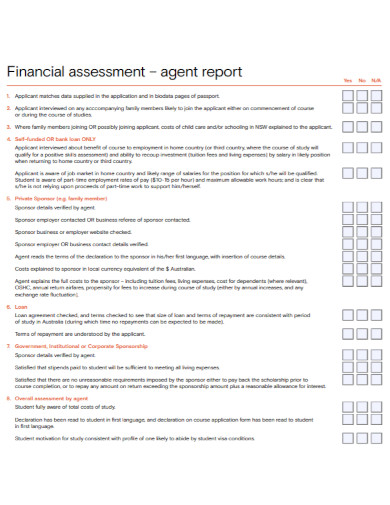
Before you can take steps toward financial might, you need a clear picture of where you stand. Start by reviewing your income, expenses, savings, and debts. This assessment will help you identify areas that need improvement and set realistic goals. A budget is your first tool here—track every dollar you earn and spend to understand where your money goes each month. Use this information to create a financial roadmap that aligns with your aspirations.
Build an Emergency Fund

One of the most critical components of financial stability is having an emergency fund. Life is unpredictable, and unexpected expenses can derail even the best-laid plans. Aim to save at least three to six months’ worth of living expenses in a separate, easily accessible account. This fund acts as a safety net, helping you avoid debt and stay on track when challenges arise.
Pay Off High-Interest Debt
Debt can be a major obstacle to financial freedom, especially high-interest debt like credit card balances. Prioritize paying off these debts as quickly as possible. Consider strategies such as the debt avalanche method (paying off debts with the highest interest rates first) or the debt snowball method (focusing on smaller debts to build momentum). Eliminating debt frees up more money for savings and investments, accelerating your path to financial might.
Invest for the Future
Investing is one of the most powerful ways to build long-term wealth. Whether through retirement accounts, stocks, real estate, or other assets, investing allows your money to grow over time. Start early, even if it's with small contributions, because compound interest works best with time. Diversify your portfolio to manage risk and consider consulting a financial advisor to develop a strategy that matches your goals and risk tolerance.
Plan for Retirement
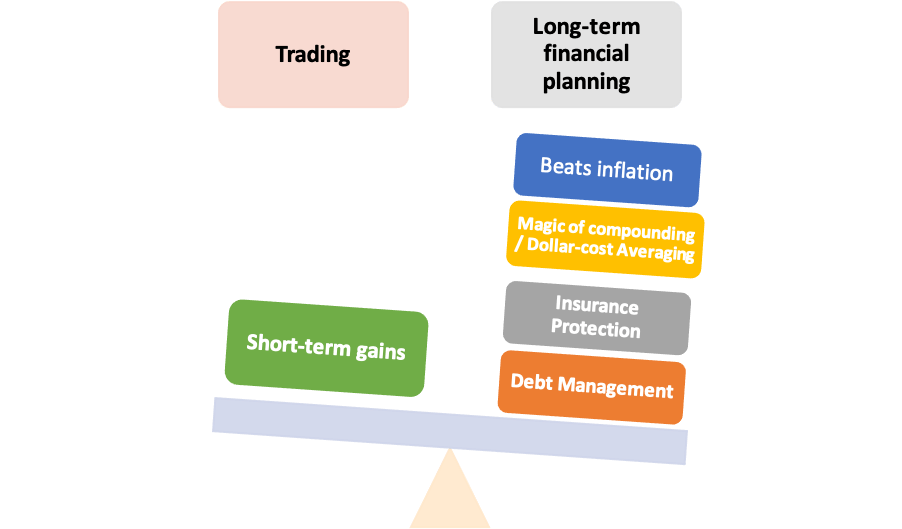
Retirement planning is a crucial part of achieving financial might. Take advantage of employer-sponsored retirement plans like 401(k)s and contribute as much as you can, especially if there's a company match. Additionally, consider opening an individual retirement account (IRA) to further boost your savings. The earlier you start, the more time your money has to grow, making it easier to maintain your lifestyle in retirement.
Automate Your Savings and Investments
Consistency is key when it comes to building financial strength. Automating your savings and investment contributions ensures that you’re consistently working toward your goals without relying on willpower alone. Set up automatic transfers from your paycheck to your savings and investment accounts, making it easier to stay on track.
Continuously Educate Yourself
Financial knowledge is power. Stay informed about personal finance topics, market trends, and new opportunities. Read books, follow reputable financial blogs, and consider taking courses or workshops to enhance your understanding. The more you know, the better equipped you’ll be to make smart financial decisions.
Create a Long-Term Financial Plan
A long-term financial plan provides direction and helps you stay focused on your goals. This plan should include short-term and long-term objectives, such as buying a home, starting a business, or funding your children’s education. Regularly review and adjust your plan as needed to reflect changes in your life or financial situation.
Live Within Your Means
One of the simplest yet most effective steps to achieving financial might is living within your means. Avoid lifestyle inflation, where your spending increases as your income rises. Instead, focus on saving and investing the extra money. This habit not only builds wealth but also creates a buffer against financial stress.
Build and Maintain Good Credit
Your credit score plays a significant role in your financial health. A good credit score can help you secure lower interest rates on loans, qualify for better rental terms, and even improve your job prospects. Monitor your credit report regularly, pay bills on time, and keep your credit utilization low to maintain a strong credit profile.
Seek Professional Guidance
While many people manage their finances on their own, seeking professional guidance can provide valuable insights and help you avoid costly mistakes. Financial advisors, tax professionals, and mortgage experts can offer personalized advice tailored to your specific situation. Don’t hesitate to consult with them when making major financial decisions.
Embrace Financial Flexibility
Life is full of surprises, and being financially flexible allows you to adapt to changing circumstances. This includes having an emergency fund, maintaining a diversified investment portfolio, and keeping your expenses manageable. Flexibility gives you the freedom to make choices that align with your values and goals, rather than being forced into decisions due to financial constraints.
Common Questions or Practical Insights
Q: How do I start building financial might if I'm in debt?
A: Begin by creating a budget and prioritizing high-interest debt. Use the debt snowball or avalanche method to pay off debts systematically while simultaneously building an emergency fund.
Q: What if I don't have enough money to invest?
A: Start small. Even a few dollars a week can add up over time. Consider low-cost index funds or robo-advisors that allow you to invest with minimal capital.
Q: How often should I review my financial plan?
A: Review your financial plan at least once a year, or whenever there are major life changes such as a new job, marriage, or the birth of a child.
Conclusion
Achieving financial might is a journey that requires discipline, patience, and continuous learning. By assessing your financial foundation, building an emergency fund, paying off debt, investing wisely, and planning for the future, you can create a stable and prosperous financial life. Remember, the goal isn't just to accumulate wealth—it's to gain control over your financial future and live a life that aligns with your values. With the right strategies and mindset, financial might is not only achievable but also sustainable.

Post a Comment for "The Ultimate Guide to Achieving Financial Might: Step-by-Step Strategies for Long-Term Success"
Post a Comment