The Road to Ultimate Economic Freedom: Key Strategies for Financial Independence
In a world where financial uncertainty is more prevalent than ever, the concept of economic freedom has taken on new significance. For many, the idea of being able to live without relying on a paycheck is not just a dream—it’s a goal. The road to ultimate economic freedom isn’t about avoiding work altogether; it’s about gaining the ability to choose how and when you work, while still maintaining a stable and fulfilling lifestyle. This article explores the strategies and insights necessary to achieve this kind of financial independence.
Understanding the Concept of Economic Freedom
Economic freedom refers to the ability of individuals or households to manage their financial resources in a way that allows them to meet their needs without depending on active employment. This can be achieved through a combination of passive income, investments, and strategic financial planning. It's important to note that financial independence doesn't mean retiring early or ceasing all forms of work. Instead, it's about having the flexibility to pursue passions, hobbies, or other interests without the pressure of needing a regular income.
The journey toward economic freedom is deeply personal and varies from one individual to another. Some may aim for a modest lifestyle, while others might seek a higher standard of living. What remains constant is the need for a clear financial plan, budgeting skills, and an understanding of various income sources.
Building a Foundation for Financial Independence
Achieving financial independence requires a solid foundation built on several key elements:
-
Budgeting and Saving: Creating a budget helps track income and expenses, ensuring that money is allocated effectively. A well-structured budget allows individuals to identify areas where they can save and invest.
-
Investing: Diversifying investments across different asset classes—such as stocks, bonds, real estate, and mutual funds—can provide a steady stream of passive income. The power of compound interest plays a crucial role in growing wealth over time.
-
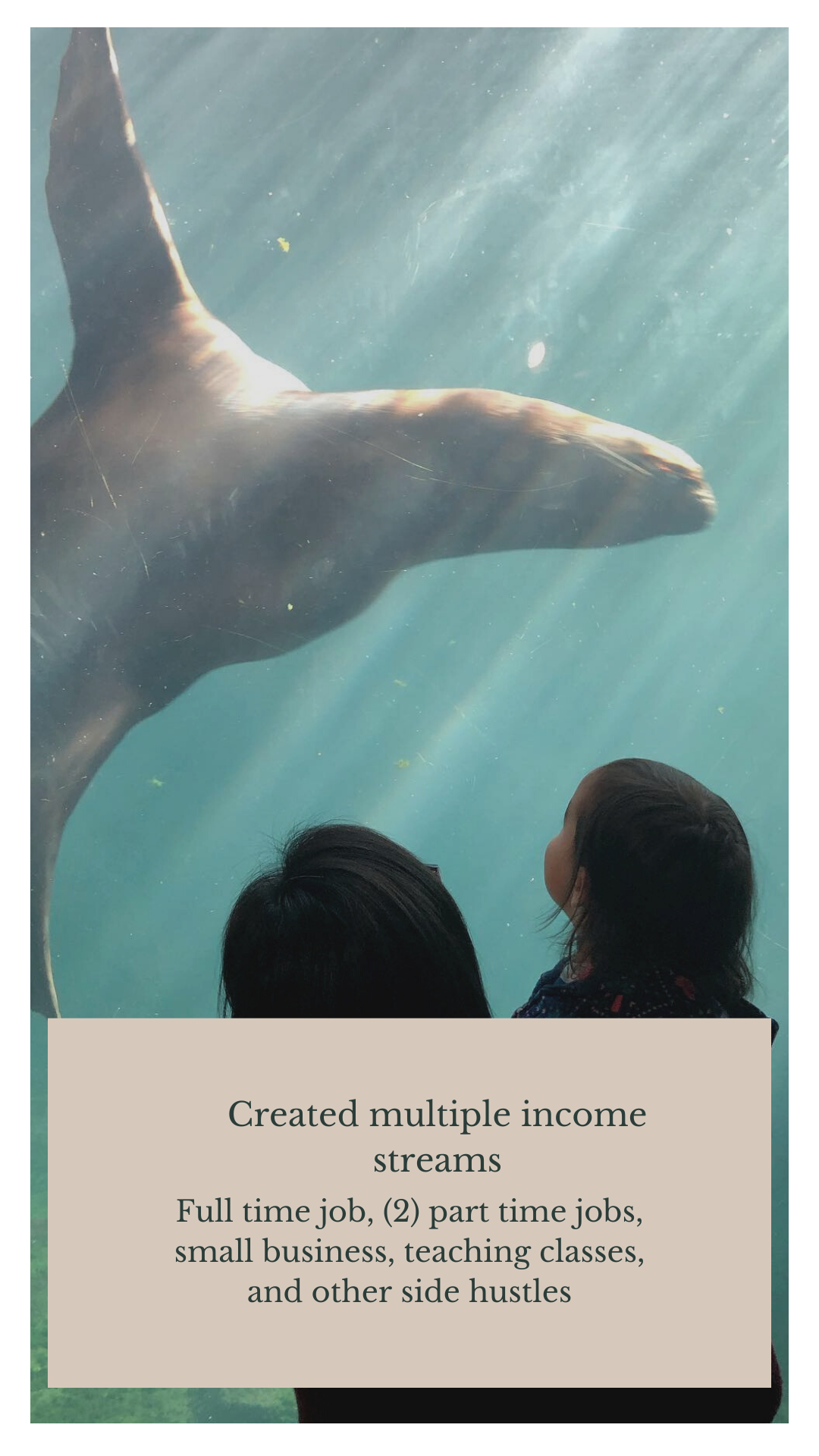
Increasing Income Streams: Relying on a single source of income can be risky. Developing multiple income streams, such as side hustles, freelance work, or rental properties, can enhance financial stability.
-
Financial Education: Understanding basic financial principles and investing concepts empowers individuals to make informed decisions. This knowledge can help avoid common pitfalls and make the most of available resources.
The Role of Passive Income in Economic Freedom

Passive income is a cornerstone of financial independence. Unlike active income, which requires ongoing effort, passive income continues to generate revenue with minimal input. Examples include rental income, dividends from stocks, royalties from intellectual property, and income from online businesses.
One of the most effective ways to build passive income is through real estate investment. Renting out properties can provide a consistent cash flow, especially if the property is managed efficiently. Additionally, investing in dividend-paying stocks offers the potential for long-term growth and regular income.
Another avenue is creating digital products or services. With the rise of e-commerce and online platforms, individuals can sell courses, write books, or offer consulting services that generate income even when they're not actively working.
Overcoming Common Challenges

While the path to financial independence is rewarding, it comes with its own set of challenges. One of the biggest hurdles is overcoming debt. High-interest debt, such as credit card balances, can hinder progress by consuming a significant portion of income. Implementing a debt repayment strategy, such as the snowball or avalanche method, can help individuals tackle this issue systematically.
Another challenge is the fear of failure. Many people hesitate to take risks due to the possibility of losing money. However, embracing calculated risks and learning from mistakes is essential for long-term success. As Thomas Alva Edison famously said, "I have not failed. I've just found 10,000 ways that won't work." This mindset encourages perseverance and innovation.
Additionally, societal pressures and cultural norms can influence financial behavior. In some communities, there may be a stigma associated with certain types of income or financial decisions. Navigating these challenges requires a strong sense of self and a commitment to personal goals.
The Importance of Long-Term Planning
Financial independence is not an overnight achievement; it requires long-term planning and discipline. Setting clear financial goals, such as saving for retirement, purchasing a home, or starting a business, provides direction and motivation. Regularly reviewing and adjusting financial plans ensures that individuals stay on track, even as circumstances change.
Moreover, considering the impact of inflation is crucial. As the cost of living increases, the value of money decreases. Therefore, it's essential to invest in assets that appreciate over time, such as real estate or stocks, to maintain purchasing power.
Another aspect of long-term planning is estate planning. Ensuring that assets are distributed according to one's wishes and providing for loved ones can offer peace of mind and security.
Embracing the Journey
The road to ultimate economic freedom is a journey filled with learning, growth, and transformation. It's not about perfection but about progress. Every small step taken towards financial independence contributes to a more secure and fulfilling life.
As individuals navigate this path, they will encounter obstacles, but each challenge presents an opportunity for growth. By staying committed to their goals, seeking knowledge, and making informed decisions, they can build a future that aligns with their values and aspirations.
In the end, the true measure of economic freedom is not just the amount of money one has, but the freedom to live life on one's own terms. Whether it's pursuing a passion, spending time with family, or simply enjoying the peace of mind that comes with financial stability, the journey towards economic freedom is worth every step.

Post a Comment for "The Road to Ultimate Economic Freedom: Key Strategies for Financial Independence"
Post a Comment