Smart Investment Strategies for Lasting Prosperity
In a world where financial uncertainty is the norm, the idea of building lasting prosperity through smart investment has never been more relevant. Whether you're just starting out or looking to refine your approach, the key to long-term success lies in adopting strategies that align with your goals, risk tolerance, and time horizon. While the stock market and real estate are often highlighted as pathways to wealth, the truth is that the most effective investments are those that combine patience, discipline, and a clear understanding of how money grows over time.
The Power of Time and Compounding

One of the most fundamental principles of smart investing is the power of time. As the reference material notes, shares tend to be considered long-term investments because short-term fluctuations are inevitable. However, history shows that investors who stay the course often reap significant rewards. For example, the S&P 500, a benchmark for U.S. stocks, has historically delivered positive returns over 10 to 20 years, even after major downturns like the tech bubble, the global financial crisis, and the pandemic.
Compounding returns are another cornerstone of long-term wealth building. The concept is simple: earnings generate more earnings, creating exponential growth over time. Imagine investing $1,000 at a 10% annual return. After 20 years, that initial amount could grow to over $6,700—assuming no fees or taxes. This snowball effect is why starting early is so crucial. The earlier you begin, the more time your money has to grow, which can make a dramatic difference in your final portfolio value.
Asset Allocation and Consistency
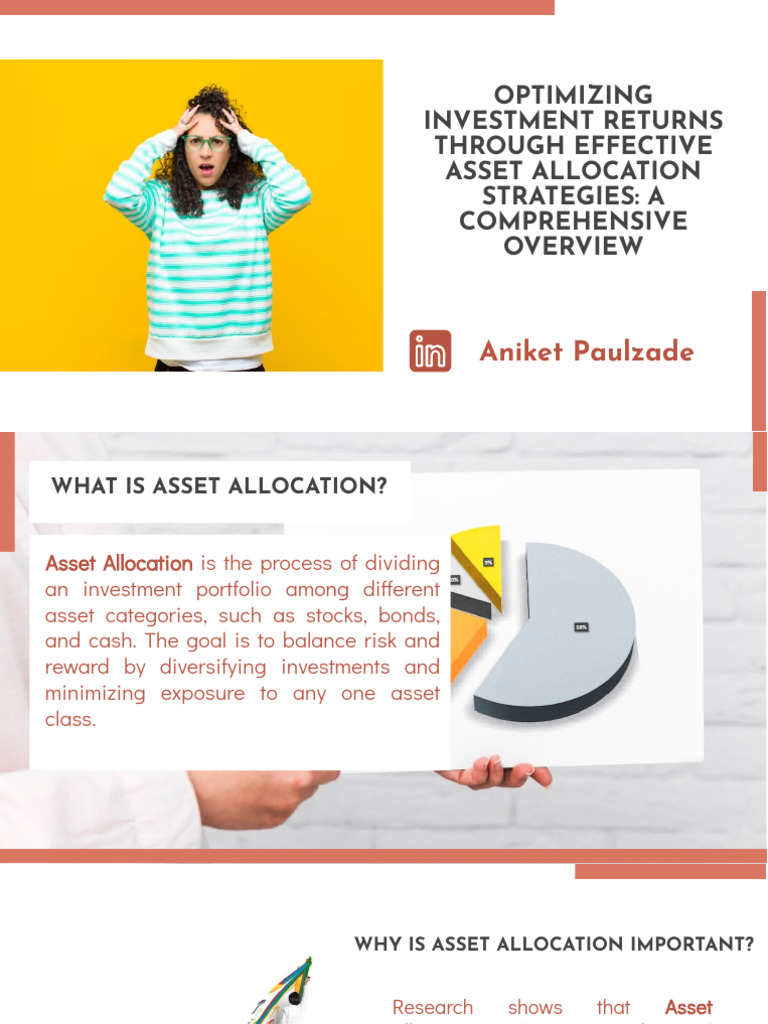
While time is a powerful tool, it's not enough on its own. Proper asset allocation and consistency are equally important. Asset allocation refers to how you distribute your investments across different classes, such as stocks, bonds, and real estate. It should reflect your financial goals, risk tolerance, and time horizon. A younger investor with a longer time horizon might lean more heavily into equities, while someone nearing retirement may prioritize safer, more stable assets like bonds.
Consistency is also key. Regular contributions, whether through monthly investments or automatic transfers, help build momentum and reduce the impact of market volatility. Dollar-cost averaging, a strategy where you invest a fixed amount regularly regardless of market conditions, is particularly effective. By purchasing more shares when prices are low and fewer when prices are high, you smooth out the effects of market swings and increase the potential for long-term gains.
Avoiding Emotional Decisions

Investing is as much about mindset as it is about numbers. Emotions can be a dangerous influence, leading to impulsive decisions that undermine long-term goals. The reference material emphasizes that long-term investing requires a calm, disciplined approach. Market fluctuations are normal, and trying to time the market or chase quick profits often leads to losses.
Instead, focus on your overall financial plan and avoid reacting to short-term news or trends. As one expert noted, "Investing is a marathon, not a sprint." Sticking to a well-thought-out strategy, even during periods of uncertainty, is what separates successful long-term investors from those who get caught up in the noise.
Diversification: Your Best Defense
Diversification is another critical element of smart investing. By spreading your investments across different asset classes, geographies, and sectors, you reduce the risk of being overly exposed to any single market or company. This is especially important in times of economic uncertainty, when certain industries or regions may underperform.
However, diversification isn’t without trade-offs. While it can protect against losses, it may also limit potential gains. The key is to find the right balance based on your personal circumstances. For example, a broadly diversified portfolio may underperform a concentrated one during strong market periods, but it can provide stability during downturns.
Real Estate as a Long-Term Wealth Builder
While stocks and bonds are traditional long-term investments, real estate offers a unique set of advantages. Properties can appreciate in value over time, generate rental income, and provide tax benefits. In areas like Khopoli and Karjat, where demand for housing is rising due to proximity to industrial zones and growing infrastructure, real estate investments have the potential for significant capital appreciation.
Ready-possession flats and new construction developments offer immediate opportunities for investors. These properties allow for quicker returns and reduce the risks associated with construction delays. Additionally, real estate can act as a hedge against inflation, as property values and rental income tend to rise alongside living costs.
The Importance of Automation
One of the biggest barriers to consistent investing is the difficulty of maintaining regular contributions. That’s where automation comes in. Setting up automatic transfers to your investment accounts ensures that you’re consistently adding to your portfolio, even when life gets busy. Many brokerage platforms now offer tools that allow you to schedule regular investments, making it easier than ever to stay on track.
Automation also helps combat the temptation to make emotional decisions. When you’re not actively managing your investments, you’re less likely to react to short-term market movements. Instead, you can focus on your long-term goals and let time do the work.
Common Questions and Practical Insights
-
How do I know when to start investing?
The answer is simple: the sooner, the better. Even small, regular contributions can grow significantly over time due to compounding. -
What if I don't have a lot of money to invest?
You don’t need a large sum to start. Many platforms allow you to invest with as little as $1, and dollar-cost averaging makes it easy to build wealth gradually. -
Should I try to beat the market?
Most investors are better off focusing on consistent, steady growth rather than chasing high returns. Beating the S&P 500 is difficult, and attempting to do so often leads to unnecessary risk. -
Is real estate a good long-term investment?
Yes, but it depends on your goals and risk tolerance. Real estate can offer stability and income, but it also requires careful planning and management.
Conclusion
Smart investment for lasting prosperity isn’t about quick wins or chasing the latest trend. It’s about making informed decisions, staying disciplined, and understanding the power of time. Whether you’re investing in stocks, real estate, or a combination of both, the key is to align your strategy with your long-term goals. By focusing on consistency, diversification, and patience, you can build a financial foundation that supports you for years to come. Remember, the best investments are those that you can stick with, even when the market is uncertain.

Post a Comment for "Smart Investment Strategies for Lasting Prosperity"
Post a Comment