How a Varied Portfolio Contributes to Financial Strength
When the market is booming, it's easy to feel invincible. You might think, "Why not put all my money into that one stock that's going up?" But history has shown us time and again that the markets are unpredictable. A well-diversified portfolio isn't just a buzzword—it's a crucial strategy for building long-term financial strength. In an era where economic uncertainty is more common than ever, understanding how a varied portfolio contributes to financial resilience is essential.
The Importance of Diversification
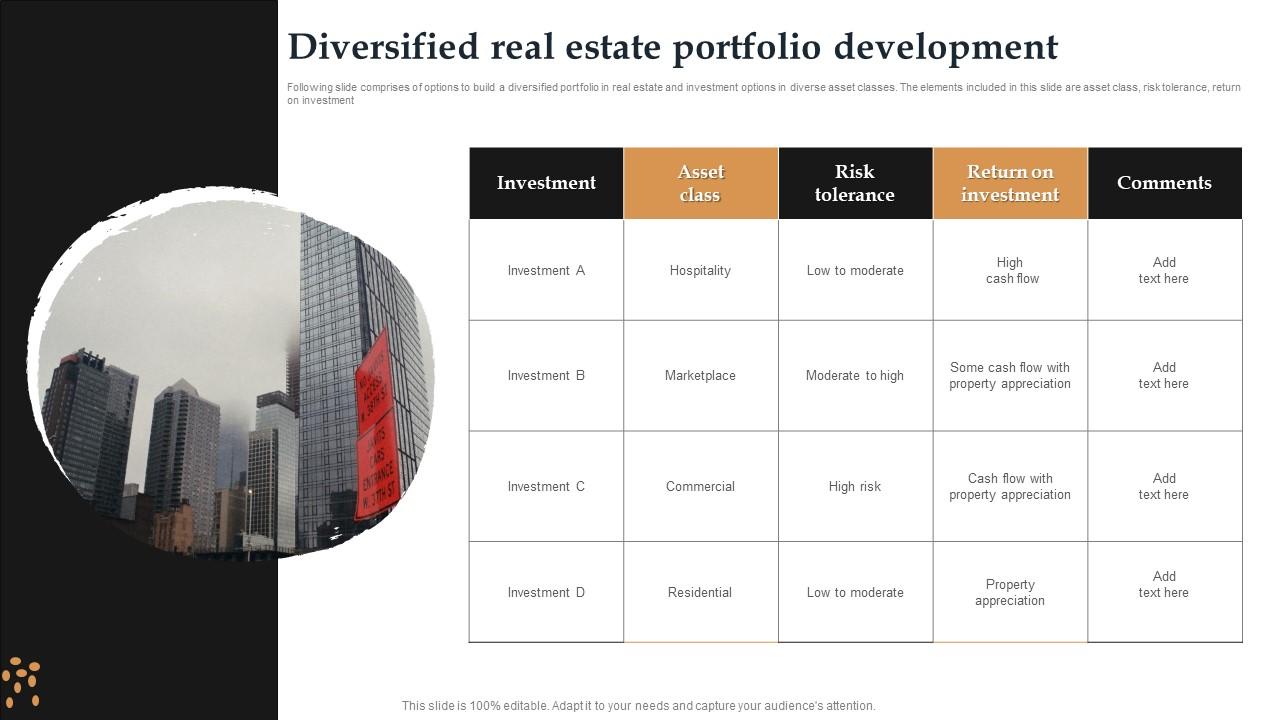
Diversification is the practice of spreading your investments across different asset classes, sectors, and geographic regions. It's based on the simple idea that no single investment is immune to risk. By diversifying, you reduce the likelihood that a single event—like a market crash or a company scandal—will wipe out your entire portfolio.
Consider this: If you invest all your money in one stock, and that company faces a downturn, your entire investment could suffer. But if you spread your investments across multiple stocks, bonds, real estate, and other assets, the impact of any single loss is minimized. This doesn’t eliminate risk entirely, but it significantly reduces it.
In 2025, with global markets still navigating the aftermath of the pandemic and ongoing inflationary pressures, the need for a diversified approach has never been more critical. According to a recent report by the Investment Company Institute, over 70% of U.S. households now hold at least some form of diversified investment, reflecting a growing awareness of the benefits of spreading risk.
Why a Varied Portfolio Matters
A varied portfolio helps balance risk and reward. While high-risk investments like individual stocks can offer substantial returns, they also come with the potential for significant losses. On the other hand, low-risk investments like bonds may provide steady income but often lack the growth potential of equities.
The key is finding the right mix. A well-structured portfolio typically includes a combination of stocks, bonds, real estate, and alternative investments like commodities or private equity. Each of these asset classes behaves differently under various market conditions, which means they can help cushion each other during times of volatility.
For example, during the 2020 market crash, while stocks plummeted, many investors who had a portion of their portfolio in government bonds saw relatively stable returns. Similarly, in 2025, as interest rates fluctuate and inflation remains a concern, a balanced portfolio that includes both equities and fixed-income instruments can help protect against unexpected market shifts.
Practical Tips for Building a Varied Portfolio
1. Distribute Investments Across Different Assets
Start by allocating your funds across a range of asset classes. Stocks, bonds, real estate, and commodities each have unique risk and return profiles. For instance, while stocks offer growth potential, they can be volatile. Bonds, on the other hand, provide more stability but typically lower returns. Real estate and commodities can act as hedges against inflation and market downturns.
It's also wise to consider geographic diversification. Investing in both domestic and international markets can help reduce the impact of regional economic downturns. For example, if the U.S. economy experiences a slowdown, investments in emerging markets may still perform well.
2. Consider Index or Bond Funds
Index funds and bond funds are excellent tools for diversification. Index funds track broad market indices like the S&P 500, offering exposure to a wide range of companies without the need to pick individual stocks. They're also cost-effective, with low management fees that can help preserve your returns over time.
Bond funds, meanwhile, provide regular income and can help stabilize a portfolio during periods of market turbulence. By investing in a mix of government and corporate bonds, you can further diversify your holdings and reduce overall risk.
3. Continually Expand Your Portfolio
Consistency is key when it comes to building a varied portfolio. Rather than making large, infrequent investments, consider using dollar-cost averaging—a strategy where you invest a fixed amount at regular intervals. This helps smooth out the effects of market volatility and ensures you're consistently adding to your portfolio, regardless of market conditions.
For example, if you set aside $500 every month to invest, you'll buy more shares when prices are low and fewer when prices are high. Over time, this approach can lead to better long-term results.
4. Strategically Exit Losing Investments
Even the best-laid plans can go awry. If a particular investment underperforms or no longer aligns with your financial goals, it may be time to reassess. However, it's important to avoid emotional decisions. Instead, evaluate the investment based on its fundamentals and whether it still fits within your overall strategy.
By regularly reviewing your portfolio, you can identify underperforming assets and make informed decisions about whether to hold, sell, or replace them.
5. Monitor Investment Commissions Closely
Fees can eat into your returns, so it's important to understand the costs associated with your investments. Many online brokers now offer commission-free trading for stocks and ETFs, which can help reduce expenses. However, other types of investments, such as mutual funds or alternative assets, may still come with fees.
Always compare the costs of different investment vehicles and choose those that offer the best value for your money. Remember, the cheapest option isn't always the best, and sometimes a slightly higher fee can mean better performance or more personalized service.
Common Questions About Diversification
Q: Can I over-diversify my portfolio?
Yes, over-diversification can actually increase risk and lower expected returns. If you add too many similar investments, you may end up diluting the potential for growth. The goal is to achieve a balance between risk and reward, not to spread yourself too thin.
Q: How is portfolio risk measured?
Portfolio risk is typically measured by the standard deviation of returns. A higher standard deviation indicates greater volatility and, therefore, higher risk. A well-diversified portfolio should have a lower standard deviation, meaning it's less likely to experience extreme swings in value.
Q: Are index funds well-diversified?
Index funds are generally more diversified than individual stocks, as they track broad market indices. However, even the most diversified index fund isn't a complete solution. To truly diversify, you should also include other asset classes like bonds, real estate, and commodities.
Conclusion
In today’s uncertain economic climate, a varied portfolio is more than just a smart strategy—it's a necessity. By spreading your investments across different asset classes, industries, and geographic regions, you can reduce risk and increase the chances of achieving long-term financial success.
Whether you're a seasoned investor or just starting out, taking the time to build a well-diversified portfolio can make all the difference. It's not about chasing quick gains or avoiding all risk—it's about making informed choices that align with your financial goals and risk tolerance.
Remember, the goal isn't to eliminate risk entirely, but to manage it effectively. With the right approach, a varied portfolio can help you navigate the ups and downs of the market with confidence and resilience.

Post a Comment for "How a Varied Portfolio Contributes to Financial Strength"
Post a Comment