How to Understand Economic Cycles and Use Them to Build Wealth
If you've ever felt like your investments are on a rollercoaster, you're not alone. The economy doesn't move in straight lines—it's more like a wave, with peaks and troughs that influence everything from stock prices to real estate values. Understanding economic cycles for riches isn't just about picking the right stocks or assets; it's about knowing where you are in the cycle and making informed decisions that align with the broader economic environment.
What Are Economic Cycles?

Economic cycles are the natural fluctuations in economic activity over time. They’re not perfect, but they follow a general pattern of expansion, peak, contraction, and trough. These phases shape how different assets perform and can be used as a roadmap for smarter investing.
The Four Phases of the Economic Cycle
- Expansion: This is when the economy is growing. Employment rises, consumer spending increases, and GDP expands. During this phase, cyclical industries like technology and manufacturing tend to thrive.
- Peak: Growth reaches its highest point. Inflation may rise, interest rates could increase, and markets often become overvalued. This is the top of the wave.
- Contraction (Recession): Economic activity slows down. Unemployment rises, consumer confidence drops, and asset prices fall. Defensive sectors like healthcare and utilities usually hold up better during this phase.
- Trough (Recovery): The economy hits its lowest point. From here, it begins to rebuild. Business investment resumes, and markets start to recover.
Understanding these phases helps investors make better decisions. It’s not about predicting the future perfectly, but rather about being aware of where we are and adjusting accordingly.
How Economic Cycles Affect Different Assets
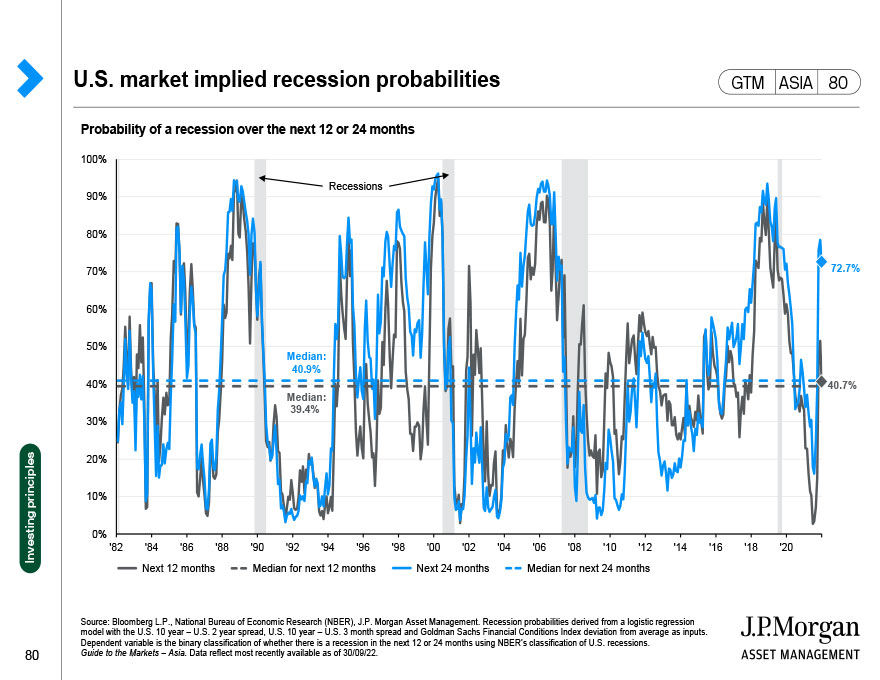
Each type of investment behaves differently depending on where we are in the cycle. Knowing which assets to favor during each phase can help build wealth over time.
Stocks
During expansions, growth-oriented sectors like tech and industrials typically outperform. However, during contractions, defensive stocks such as utilities and healthcare tend to be more resilient.
Bonds
Bonds, especially government bonds, often act as a safe haven during recessions. When interest rates drop, bond prices tend to rise. However, during periods of high inflation, bonds may underperform.
Real Estate
Real estate can be a good investment during expansions due to low interest rates and rising demand. But during contractions, property values can decline unless the property generates consistent rental income.
Commodities
Gold and other commodities often act as a hedge against uncertainty. During peaks and early contractions, they can outperform traditional assets.
Strategies to Align Your Portfolio with Economic Cycles
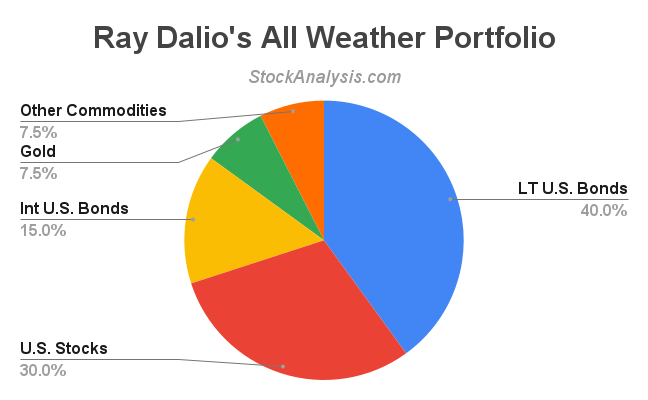
Adapting your portfolio to match the economic cycle isn’t about timing the market perfectly. It’s about staying flexible and using the right tools to adjust your strategy.
Tactical Asset Allocation (TAA)
This involves shifting your portfolio based on short-term economic expectations. For example, if signs point to a downturn, you might increase your allocation to bonds and cash.
Sector Rotation
This strategy involves rotating your investments into sectors that are expected to perform well in the current phase. For instance, during an expansion, tech and finance sectors may offer strong returns, while during a contraction, healthcare and utilities may provide stability.
Diversification
Diversifying across asset classes and sectors helps reduce risk. A well-diversified portfolio can weather economic shifts more effectively than one focused on a single area.
Common Pitfalls to Avoid
Even experienced investors can fall into traps when trying to align with economic cycles.
Trying to Time the Market
It’s nearly impossible to predict exact peaks and troughs. Instead, focus on trends and long-term strategies.
Emotional Investing
Panic selling or chasing hot stocks rarely leads to success. Stick to your plan and avoid impulsive decisions.
Neglecting Rebalancing
Over time, your portfolio’s balance can shift. Regular rebalancing ensures you stay aligned with your goals.
Real-World Examples
History shows the power of aligning with economic cycles.
2008 Financial Crisis
Investors who held diversified portfolios weathered the storm better. Those concentrated in U.S. equities suffered more.
COVID-19 Pandemic
Defensive sectors like tech and healthcare thrived. Investors who adapted quickly saw stronger recoveries.
High Inflation Era
Traditional 60/40 portfolios struggled. Many shifted toward commodities and global equities to protect their purchasing power.
Frequently Asked Questions
What are the signs of an upcoming recession?
Look for slowing GDP growth, rising unemployment, declining consumer confidence, and falling industrial production.
How often should I adjust my portfolio?
At least once a year, or when there are significant changes in the economic outlook.
Can I use ETFs to align with economic cycles?
Yes. ETFs offer flexibility to invest in specific sectors or asset classes based on the cycle.
Wrapping It All Up
Understanding economic cycles for riches is about more than just tracking the economy. It’s about recognizing patterns, adapting your strategy, and making informed decisions. Whether you're a novice investor or a seasoned pro, aligning your investments with the economic cycle can help reduce risk and enhance long-term returns.
By staying informed and flexible, you can turn economic waves into opportunities for wealth building. The key is to stay aware, stay patient, and stay disciplined.

Post a Comment for "How to Understand Economic Cycles and Use Them to Build Wealth"
Post a Comment