How to Start Property Investment for Income: A Complete Guide for Beginners
If you're looking for a way to build wealth and generate passive income, property investment is one of the most reliable strategies available. Whether you're a seasoned investor or just starting out, understanding how to approach property investment for income can open up new financial opportunities. In 2025, with evolving market trends and new investment tools, the real estate landscape offers more options than ever before.
This guide will walk you through the essentials of property investment for income, from choosing the right type of property to evaluating returns and managing risks. Whether you're interested in direct ownership or alternative methods like REITs, this article will help you make informed decisions.
Understanding the Basics of Property Investment for Income

At its core, property investment for income involves purchasing real estate with the goal of generating regular cash flow, typically through rental income. The key is to find properties that not only provide consistent returns but also appreciate in value over time.
In the U.S., the real estate market has shown resilience despite economic fluctuations. According to recent data, the average home price in the U.S. reached $410,000 in 2025, with strong demand in both urban and suburban areas. This makes real estate an attractive option for investors seeking long-term growth and stable income.
However, it's important to note that property investment isn't without risks. Market volatility, maintenance costs, and financing challenges are all factors that must be considered. That said, with proper planning and research, these risks can be managed effectively.
Types of Properties You Can Invest In
There are several types of properties that can be used for income generation. Each has its own advantages and considerations:
1. Residential Properties
Residential properties include single-family homes, apartments, and townhouses. These are often the most common choice for first-time investors due to their relatively lower entry barriers and steady rental demand.
- Pros: High demand, easy to manage, and potential for capital appreciation.
- Cons: Higher competition in desirable areas, and tenant turnover can be frequent.
2. Commercial Properties
Commercial properties include office spaces, retail stores, and warehouses. These typically offer higher rental yields but require more specialized knowledge and larger upfront investments.
- Pros: Long-term leases, higher rental income, and potential for tax benefits.
- Cons: More complex management, longer vacancy periods, and higher operating costs.
3. Industrial Properties
Industrial properties such as factories, storage facilities, and logistics centers are becoming increasingly popular due to the rise of e-commerce and supply chain demands.
- Pros: Strong demand, long lease terms, and stable cash flow.
- Cons: Requires expertise in managing large-scale operations.
4. Real Estate Investment Trusts (REITs)
REITs allow investors to buy shares in companies that own and manage income-producing real estate. This is a great option for those who want exposure to real estate without the hassle of direct ownership.
- Pros: Diversification, liquidity, and professional management.
- Cons: Subject to market volatility and limited control over individual assets.
Evaluating Your Investment Potential
Before diving into property investment, it's crucial to evaluate your financial situation and investment goals. Here are some key steps to consider:
1. Calculate Cash Flow
Positive cash flow is essential for profitable rental investments. To calculate cash flow, subtract all expenses—including mortgage payments, taxes, insurance, and maintenance—from your expected rental income.
For example, if your property generates $2,000 in monthly rent and your total expenses amount to $1,500, your net cash flow would be $500 per month.
2. Use Key Metrics
Two important metrics to assess property performance are:
- Cap Rate (Capitalization Rate): Measures the return on investment based on net operating income (NOI) divided by the property’s purchase price.
- Cash-on-Cash Return: Calculates the annual return on the cash invested, considering financing and other costs.
These metrics help compare different investment opportunities and determine which ones align best with your financial goals.
3. Consider Financing Options
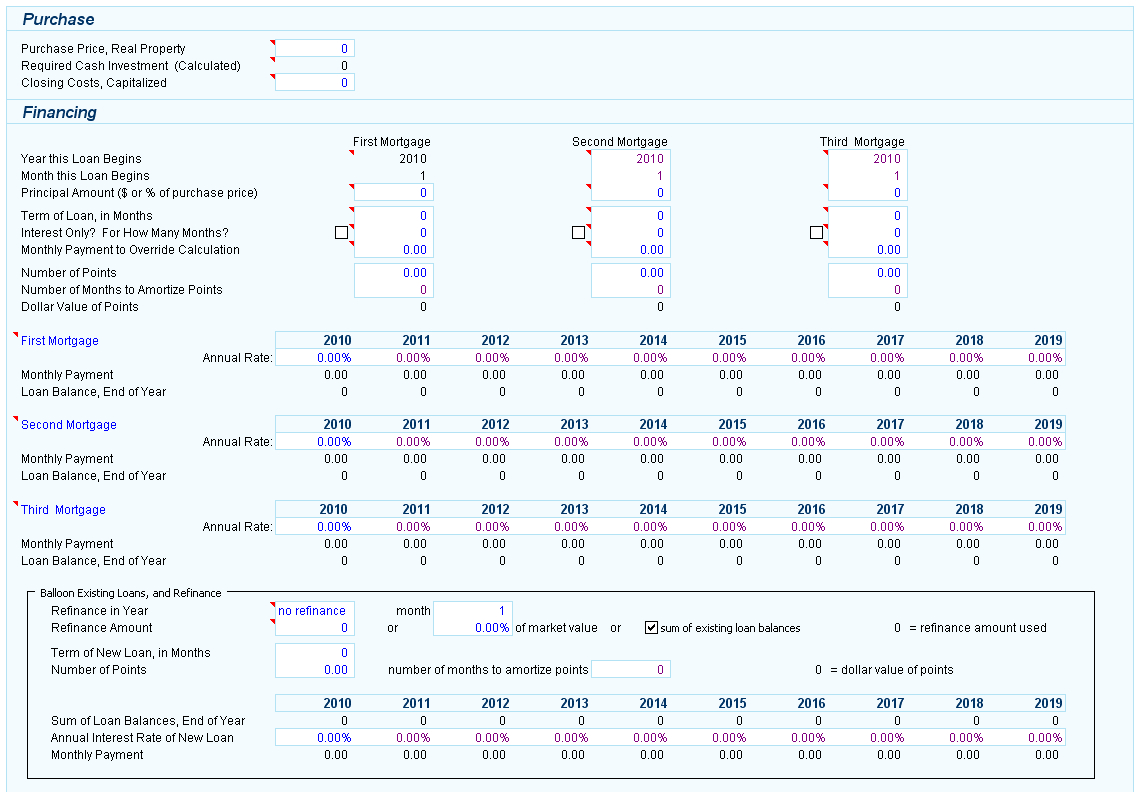
Financing plays a significant role in property investment. Traditional mortgages, hard money loans, and private lenders are all viable options depending on your needs and credit profile.
It's also wise to explore different loan terms and interest rates to find the most cost-effective solution.
Managing Risks and Challenges
Property investment comes with its share of risks, including market downturns, tenant issues, and unexpected repair costs. However, there are ways to mitigate these challenges:
- Diversify Your Portfolio: Spread your investments across different property types and locations to reduce exposure to any single market.
- Work With Professionals: Hire experienced property managers, real estate agents, and financial advisors to handle day-to-day operations and strategic decisions.
- Stay Informed: Keep up with market trends, local regulations, and economic indicators that could impact your investment.
By staying proactive and informed, you can navigate the complexities of property investment with confidence.
Common Questions About Property Investment for Income
Q: How much do I need to start investing in real estate?
A: The minimum investment varies depending on the property type and location. For residential properties, you might need at least 10–20% of the purchase price as a down payment. REITs and crowdfunding platforms allow for smaller investments.
Q: Can I invest in real estate with no time to manage it?
A: Yes! Options like REITs, property management companies, and real estate crowdfunding let you invest passively without direct involvement.
Q: What are the tax benefits of property investment?
A: Real estate investors can benefit from deductions such as mortgage interest, property taxes, and depreciation. Consult a tax professional to understand the full range of benefits.
Conclusion
Property investment for income is a powerful strategy for building long-term wealth and achieving financial independence. Whether you choose to invest directly in physical properties or through REITs and other financial instruments, the key is to approach the process with careful planning and a clear understanding of the risks involved.
With the right mindset, resources, and guidance, real estate can become a reliable source of passive income and a cornerstone of your investment portfolio. As the real estate market continues to evolve, staying informed and adaptable will be essential to maximizing your returns.
Start exploring your options today, and take the first step toward a more secure and prosperous financial future.

Post a Comment for "How to Start Property Investment for Income: A Complete Guide for Beginners"
Post a Comment