How to Protect Your Assets from Economic Inflation: Effective Strategies for Long-Term Security
Inflation is often referred to as the silent wealth eroder. It's a force that gradually reduces the purchasing power of money, making it harder to afford the same goods and services over time. For many Americans, this means that the savings they've worked so hard to accumulate may not be enough to support their future needs. Understanding how to protect your assets from economic inflation is more important than ever, especially with current trends showing persistent price increases across essential goods and services.

Understanding Inflation’s Impact

Inflation affects different types of assets in varying ways. Cash, for example, loses value quickly because its purchasing power diminishes as prices rise. Fixed income assets like bonds or savings accounts also face challenges, as their returns often fail to keep up with inflation rates. On the other hand, physical assets such as real estate, commodities, and gold tend to perform better during periods of high inflation, though they come with their own risks and volatility.
Asset Categories and Inflation Sensitivity
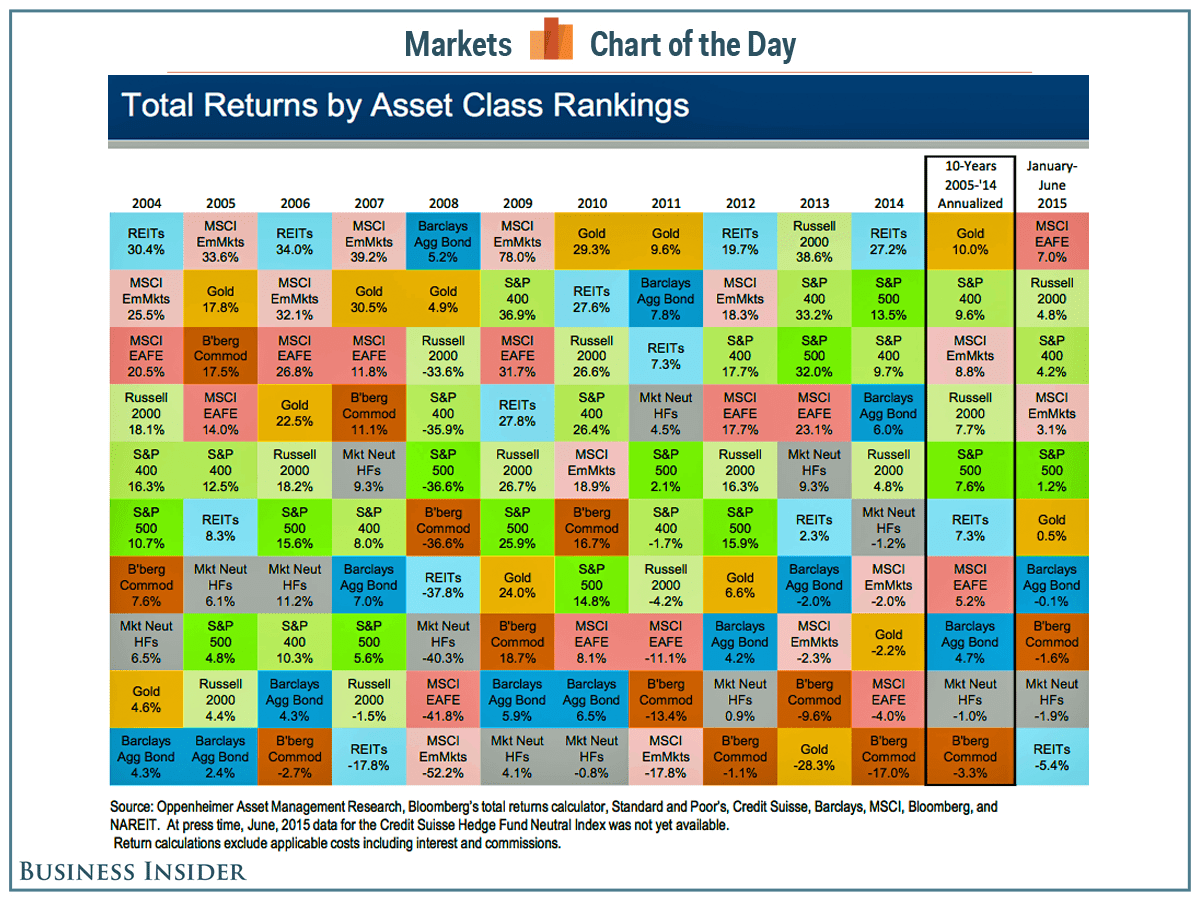
Economists typically classify assets into two categories when discussing inflation: nominal and real assets. Nominal assets, such as cash, bank deposits, and bonds, have a fixed value in currency terms and are highly sensitive to inflation. Real assets, including real estate, equities, and commodities, are tied to tangible assets or market performance and historically show greater resilience against inflation, albeit with higher volatility.
This distinction is crucial for investors looking to build a diversified portfolio that can withstand inflationary pressures. By understanding which assets are more likely to retain value during inflation, individuals can make informed decisions about where to allocate their resources.
Technical Measures for Asset Protection
One of the most effective strategies for protecting assets from inflation is diversification across different asset classes. This approach helps spread risk and ensures that no single type of investment is overly exposed to inflation. Additionally, investing in inflation-indexed instruments, such as Treasury Inflation-Protected Securities (TIPS), can provide a hedge against rising prices by adjusting returns based on inflation rates.
Another strategy involves investing in productivity-linked assets, such as stocks in companies that are expected to grow faster than the overall economy. These assets have historically outpaced inflation, offering a potential way to preserve and even grow wealth over time.
The Behavioral Side of Asset Protection
While technical strategies are important, the behavioral aspect of asset protection should not be overlooked. Factors such as an individual's time horizon, liquidity needs, and risk tolerance play a significant role in how inflation impacts their financial situation. Two people with the same portfolio may experience vastly different outcomes depending on their investment timeline and how they manage their liquidity.
For instance, someone with a long-term investment horizon might be more willing to take on the volatility of equities, while someone nearing retirement may prefer safer, more stable investments. Understanding these personal factors is key to developing a tailored strategy for protecting assets from inflation.
Broader Economic Importance
From a macroeconomic perspective, protecting assets from inflation is not just an individual concern—it has far-reaching implications for the stability of household wealth, long-term consumption capacity, and overall economic resilience. When individuals are able to safeguard their assets, they are better positioned to maintain their standard of living, contribute to the economy, and support future generations.
In the United States, where inflation has been a growing concern in recent years, the need for effective asset protection strategies has never been more pressing. With the Federal Reserve and other central banks working to manage inflation through monetary policy, individuals must take proactive steps to ensure their financial security.
Common Questions and Practical Insights
What are the best assets to protect against inflation?
Real assets like real estate, gold, and certain types of stocks have historically performed well during inflationary periods. However, the best choice depends on an individual's financial goals, risk tolerance, and investment horizon.
How does inflation affect my retirement savings?
Retirement savings, particularly those held in fixed-income vehicles, can lose value if they don't keep pace with inflation. Diversifying retirement portfolios with a mix of stocks, bonds, and inflation-protected securities can help mitigate this risk.
Can I protect my home from inflation?
While a home itself is a real asset that may appreciate in value during inflation, the costs associated with maintaining it—such as property taxes and insurance—can also rise. Ensuring that your home is adequately protected through insurance and proper planning is essential.
What role do trusts play in asset protection?
Trusts can be a powerful tool for shielding assets from creditors and ensuring that they are distributed according to your wishes. They offer flexibility and control, making them a valuable component of any comprehensive asset protection strategy.
Conclusion
Protecting your assets from economic inflation requires a combination of strategic planning, diversification, and a deep understanding of how different asset classes respond to inflation. By taking proactive steps to safeguard your wealth, you can ensure long-term financial security and peace of mind. Whether you're building a retirement portfolio, managing a family estate, or simply looking to preserve your savings, the right strategies can make all the difference in navigating the challenges of inflation. As the economic landscape continues to evolve, staying informed and adaptable is key to maintaining your financial future.

Post a Comment for "How to Protect Your Assets from Economic Inflation: Effective Strategies for Long-Term Security"
Post a Comment