How to Build Wealth Through Stock Market Investing
If you're looking to build long-term wealth, the stock market offers one of the most powerful tools available. While it's often seen as a high-risk endeavor, with the right approach, disciplined strategy, and a focus on long-term growth, investing in stocks can be a reliable path to affluence. Whether you're just starting out or looking to refine your approach, this guide will walk you through the key principles of stock market investing that can help you grow your wealth over time.
The Power of Long-Term Investing
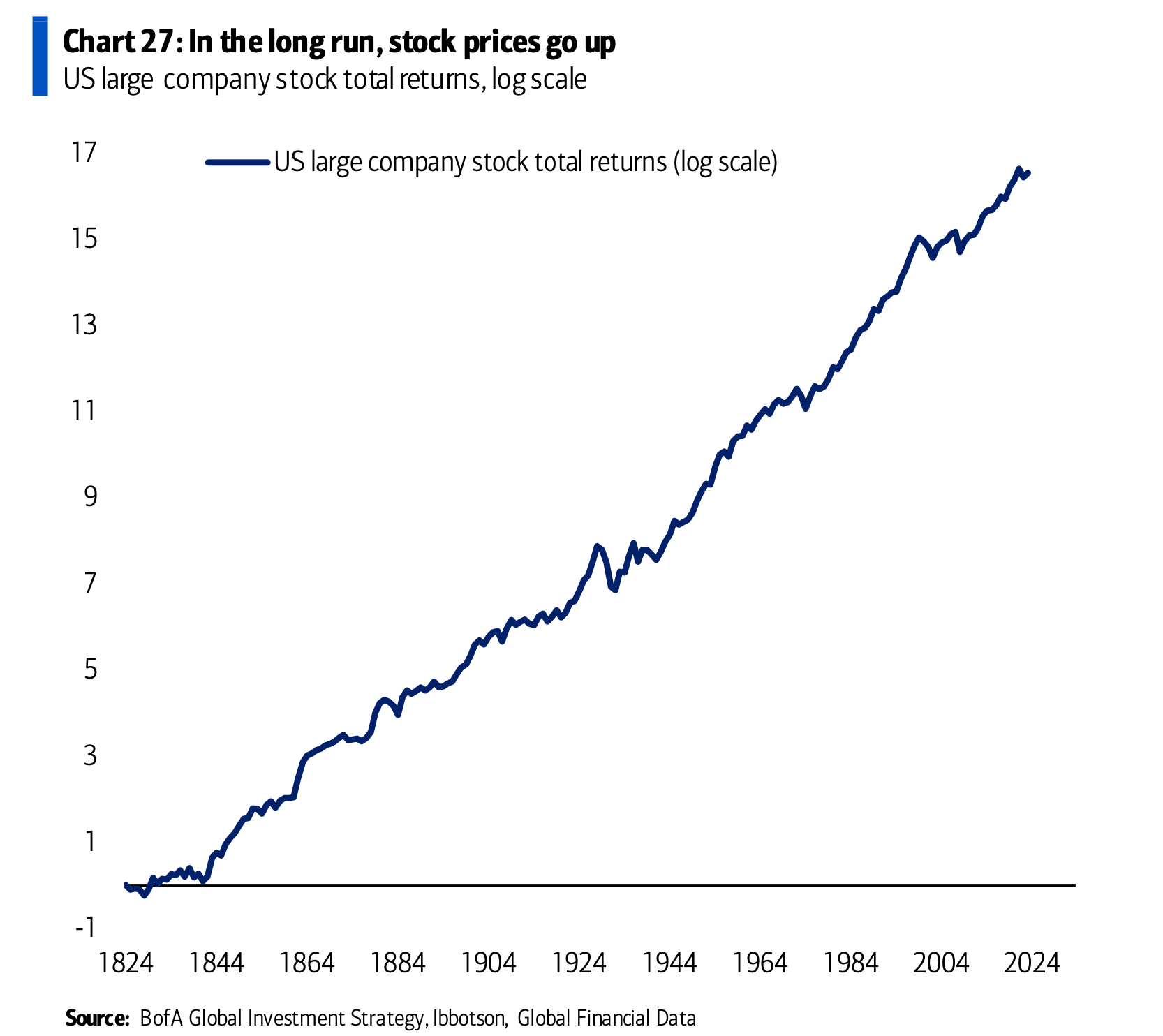
Investing in the stock market isn't about chasing quick profits—it's about building wealth over decades. History has shown that the U.S. stock market, despite its volatility, has consistently trended upward over the long term. This is why many successful investors emphasize the importance of patience and consistency.
Take for example the performance of companies like Alphabet (GOOGL) and Eli Lilly (LLY). Over the past five years, both have delivered impressive returns, with Alphabet's shares rising more than 220% and Eli Lilly's surging over 600%. These gains weren’t the result of short-term speculation but rather a combination of strong fundamentals, innovation, and long-term strategic positioning.
Choosing the Right Stocks
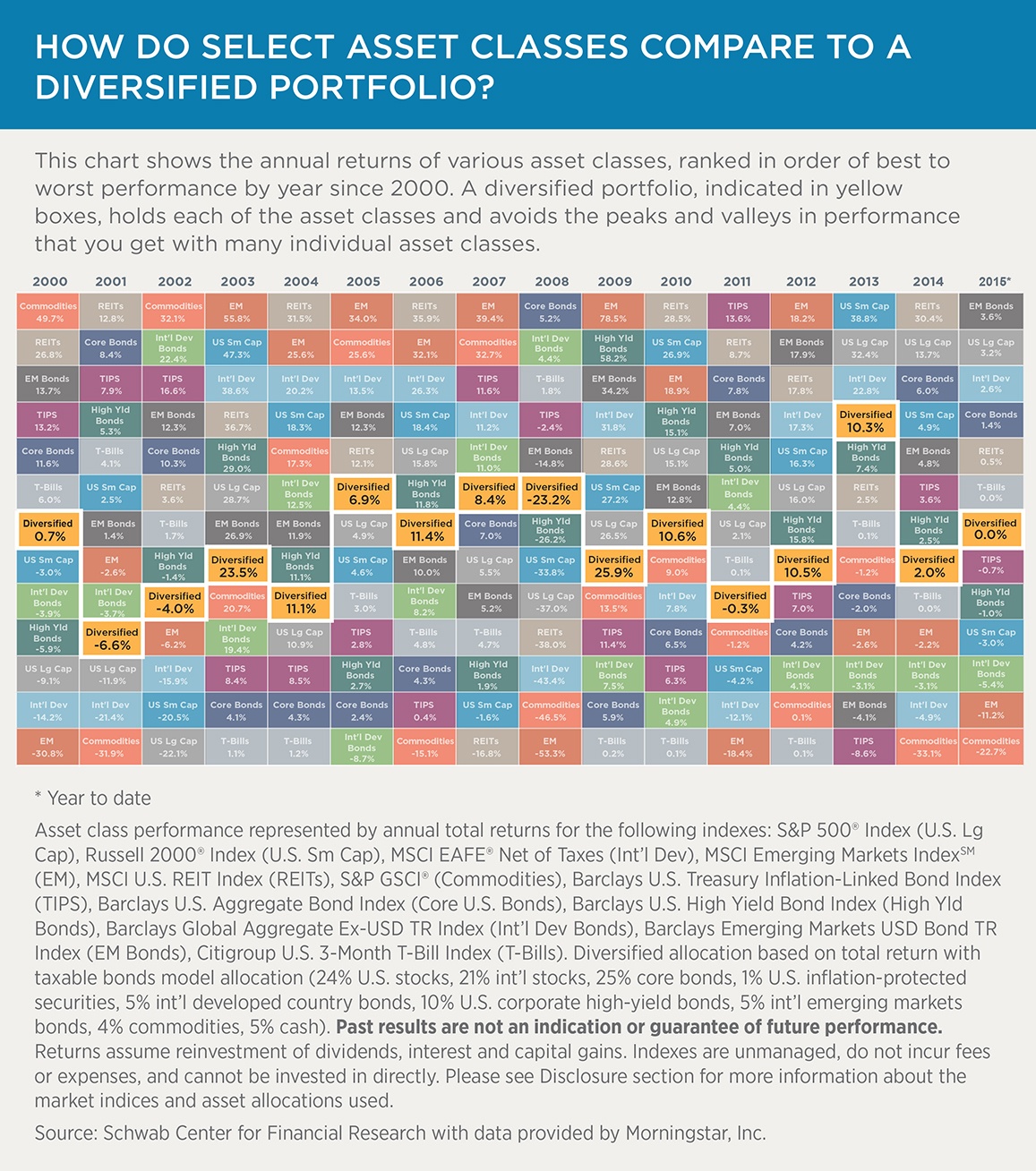
Not all stocks are created equal. To build wealth, you need to identify companies with strong fundamentals, consistent earnings, and a clear competitive advantage. This means looking beyond just the price tag and instead focusing on factors like revenue growth, profitability, and industry position.
Some of the best long-term performers include:
- Altria Group (MO): A stalwart in the tobacco industry, known for its consistent dividend payouts and resilience across economic cycles.
- Costco Wholesale (COST): A retail giant with a loyal membership base and a proven model of value-driven shopping.
- Consolidated Edison (ED): A utility company with a long history of stable dividends and essential service demand.
- Goldman Sachs (GS): A leading financial institution with a strong brand and exposure to high-growth sectors.
These companies are not only large in size but also have a track record of delivering returns over time. They represent industries that are less susceptible to market fluctuations and offer steady income through dividends.
Dividend Investing: A Path to Passive Income
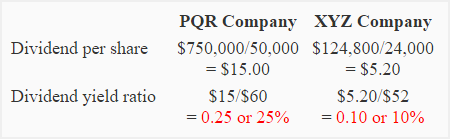
One of the most effective strategies for building wealth is dividend investing. Companies that pay regular dividends provide investors with a steady stream of income, which can be reinvested to compound growth over time. This is especially valuable for those seeking financial independence or additional income in retirement.
For instance, Altria (MO) currently offers a dividend yield of 7.2%, making it one of the highest-yielding stocks in the market. Similarly, Consolidated Edison (ED) has a 3.4% yield and has increased its dividend for over 50 consecutive years. These stocks are ideal for investors who want to generate passive income while still benefiting from long-term capital appreciation.
Managing Risk and Emotions
While the potential for growth is significant, the stock market is inherently volatile. Emotional decision-making—such as panic selling during downturns or buying into hype—can derail even the most well-thought-out investment plans. Successful investors understand that managing emotions is just as important as selecting the right stocks.
A common mistake among new investors is trying to time the market. However, research shows that trying to predict short-term movements is nearly impossible. Instead, the focus should be on long-term trends and fundamental analysis.
For example, if a stock drops due to temporary setbacks, it might actually be an opportunity to buy at a lower price. Companies like Eli Lilly (LLY) and Goldman Sachs (GS) have both faced market corrections in the past, but their strong fundamentals allowed them to recover and deliver substantial returns over time.
Diversification: Don’t Put All Your Eggs in One Basket
Diversification is a cornerstone of sound investing. By spreading your investments across different sectors, industries, and geographies, you reduce the risk of being heavily impacted by the performance of a single stock or sector.
Consider including a mix of growth stocks, dividend-paying stocks, and stable blue-chip companies in your portfolio. For instance, combining a high-growth stock like Alphabet (GOOGL) with a defensive stock like Altria (MO) can help balance risk and reward.
Practical Tips for Beginners
If you're new to the stock market, here are some practical steps to get started:
- Start Small: Begin with a small amount of money that you can afford to lose. This helps you gain experience without risking too much.
- Educate Yourself: Learn about financial statements, market trends, and different investment strategies before making any trades.
- Use a Brokerage Platform: Choose a low-cost brokerage with good research tools, such as Interactive Brokers, Public, or Zacks Trade.
- Set Clear Goals: Define your investment goals—whether it's retirement savings, wealth accumulation, or passive income—and align your strategy accordingly.
- Reinvest Dividends: Use dividend reinvestment plans (DRIPs) to automatically reinvest your earnings, compounding your returns over time.
Common Questions and Misconceptions
Is the stock market risky?
Yes, the stock market carries risks, but so do other forms of investment. The key is to manage those risks through diversification, research, and a long-term perspective.
Can I make money quickly?
While some investors do see quick gains, the majority of long-term success comes from patience and discipline. Trying to "get rich quick" often leads to losses.
Do I need a lot of money to start?
No, you can start with as little as $100. Many platforms offer commission-free trading, making it easier than ever to begin investing.
Should I follow the news closely?
While staying informed is important, don't let daily market fluctuations dictate your decisions. Focus on long-term trends and fundamentals.
Conclusion
Building wealth through stock market investing requires a combination of knowledge, discipline, and patience. By focusing on long-term growth, selecting quality stocks, and managing risk effectively, you can create a solid foundation for financial success. Whether you're aiming for passive income, retirement security, or general wealth accumulation, the stock market offers a powerful tool for achieving your goals. With the right mindset and strategy, anyone can take the first step toward financial freedom.

Post a Comment for "How to Build Wealth Through Stock Market Investing"
Post a Comment