How to Build a Successful Rental Property Portfolio: A Comprehensive Guide
If you're looking to grow your wealth through real estate, building a rental property portfolio can be a powerful strategy. Whether you're an experienced investor or just starting out, the process of developing a rental property portfolio requires careful planning, research, and execution. In this guide, we'll explore the key steps and strategies to help you build a successful rental property portfolio in 2025.
Understanding the Basics of Rental Property Portfolio Development
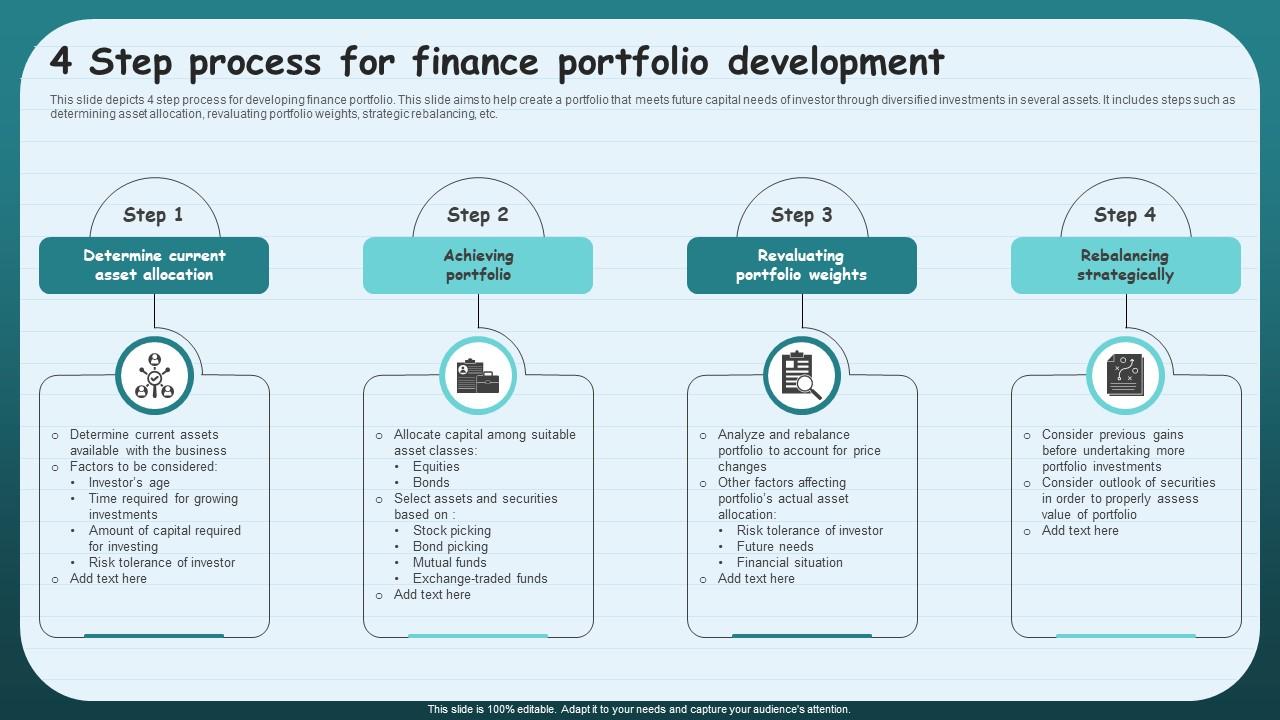
A rental property portfolio is a collection of properties that you own with the intention of generating income through rent. This can include single-family homes, multi-family units, commercial properties, or even short-term rentals like Airbnb. The goal is to create a diversified set of assets that provide consistent cash flow and long-term appreciation.
The first step in rental property portfolio development is to define your investment goals. Are you looking for passive income, long-term appreciation, or a mix of both? Your objectives will shape the types of properties you invest in and the strategies you use.
Step 1: Start Small and Build Gradually

One of the most effective ways to begin building a rental property portfolio is by starting small. Many investors begin with a single property, such as a house or apartment, and then gradually expand their holdings. This approach allows you to gain experience, understand the market, and build a track record before taking on larger investments.
For example, if you're new to real estate, you might consider purchasing a single-family home in a desirable neighborhood. This gives you the opportunity to learn about property management, tenant screening, and maintenance while earning rental income.
Step 2: Utilize Creative Financing Strategies
Financing is often one of the biggest hurdles when starting a rental property portfolio. However, there are several creative financing strategies that can help you get started without a large upfront investment.
One popular method is rental arbitrage, where you lease a property and then rent it out on platforms like Airbnb or Vrbo. This allows you to generate income without owning the property. Another option is partnering with property owners who have unused spaces. By managing these properties for them, you can earn a share of the rental income without the need for a large initial investment.
Additionally, some investors raise capital from friends, family, or private investors. This can be a great way to scale your portfolio quickly if you have a solid business plan and a proven track record.
Step 3: Focus on Location and Market Trends

Location is one of the most critical factors in the success of any rental property. Properties in high-demand areas with strong job markets, good schools, and low crime rates tend to perform better and command higher rents.
In 2025, the real estate market continues to evolve, with certain areas experiencing growth due to remote work trends, urban revitalization, and infrastructure improvements. Researching local market trends and understanding the demand for different types of properties can help you make informed decisions.
For instance, multi-family units may be more attractive in urban areas where housing demand is high, while single-family homes may be better suited for suburban neighborhoods.
Step 4: Diversify Your Portfolio
Diversification is key to minimizing risk and maximizing returns. Instead of putting all your money into one type of property or location, consider spreading your investments across different asset classes and geographic regions.
This could include a mix of residential and commercial properties, or a combination of long-term rentals and short-term vacation rentals. Diversifying your portfolio helps protect against market fluctuations and ensures a more stable income stream.
Step 5: Implement Effective Property Management
Once you’ve built your rental property portfolio, effective property management becomes essential. This includes tasks such as tenant screening, rent collection, maintenance, and communication with tenants.
Many investors choose to hire a property management company to handle day-to-day operations, especially as their portfolio grows. Alternatively, you can manage the properties yourself if you have the time and resources.
Regardless of your approach, maintaining positive relationships with tenants and keeping your properties well-maintained is crucial for long-term success.
Common Questions and Practical Insights
Q: How much money do I need to start a rental property portfolio?
A: The amount of money needed varies depending on your strategy. Some investors start with as little as $10,000 using creative financing methods like rental arbitrage or partnerships. Others may require a larger down payment for traditional purchases.
Q: Should I focus on long-term rentals or short-term rentals?
A: Both options have their advantages. Long-term rentals offer more stability and lower turnover, while short-term rentals can generate higher income but require more hands-on management.
Q: What are the risks of building a rental property portfolio?
A: Risks include vacancies, maintenance costs, and market fluctuations. However, proper research, diversification, and effective management can help mitigate these risks.
Conclusion
Building a successful rental property portfolio is a journey that requires patience, strategy, and adaptability. By starting small, utilizing creative financing, focusing on location, diversifying your investments, and implementing effective property management, you can create a sustainable source of income and long-term wealth.
Whether you're just beginning or looking to expand your existing portfolio, the key is to stay informed, remain flexible, and continuously seek opportunities for growth. With the right approach, a rental property portfolio can become a powerful tool for financial independence and security.

Post a Comment for "How to Build a Successful Rental Property Portfolio: A Comprehensive Guide"
Post a Comment