How to Build and Secure Long-Term Financial Power: A Step-by-Step Guide
In today’s fast-paced world, securing long-term financial power is more important than ever. Whether you're just starting out or looking to refine your strategy, the journey to financial independence requires a blend of discipline, smart planning, and adaptability. While many approaches exist, one popular method is Dave Ramsey’s Baby Steps. However, as we’ll explore in this guide, there are also alternative strategies that might better suit your unique circumstances. Let’s dive into the steps to build and secure immense financial power.
Understanding the Foundations of Financial Power
Financial power isn’t about having a lot of money—it’s about having control over your money and the ability to make choices that align with your goals. This involves not only saving and investing but also managing debt, increasing income, and adopting a mindset that prioritizes long-term stability.
The key to building financial power lies in creating a structured plan that addresses all aspects of your financial life. This includes setting clear goals, developing a budget, and making informed decisions about how to grow and protect your wealth.
Step 1: Establish an Emergency Fund
One of the first and most crucial steps in securing financial power is building an emergency fund. This fund acts as a safety net for unexpected expenses, such as car repairs, medical bills, or job loss. The general recommendation is to save at least three to six months’ worth of living expenses.
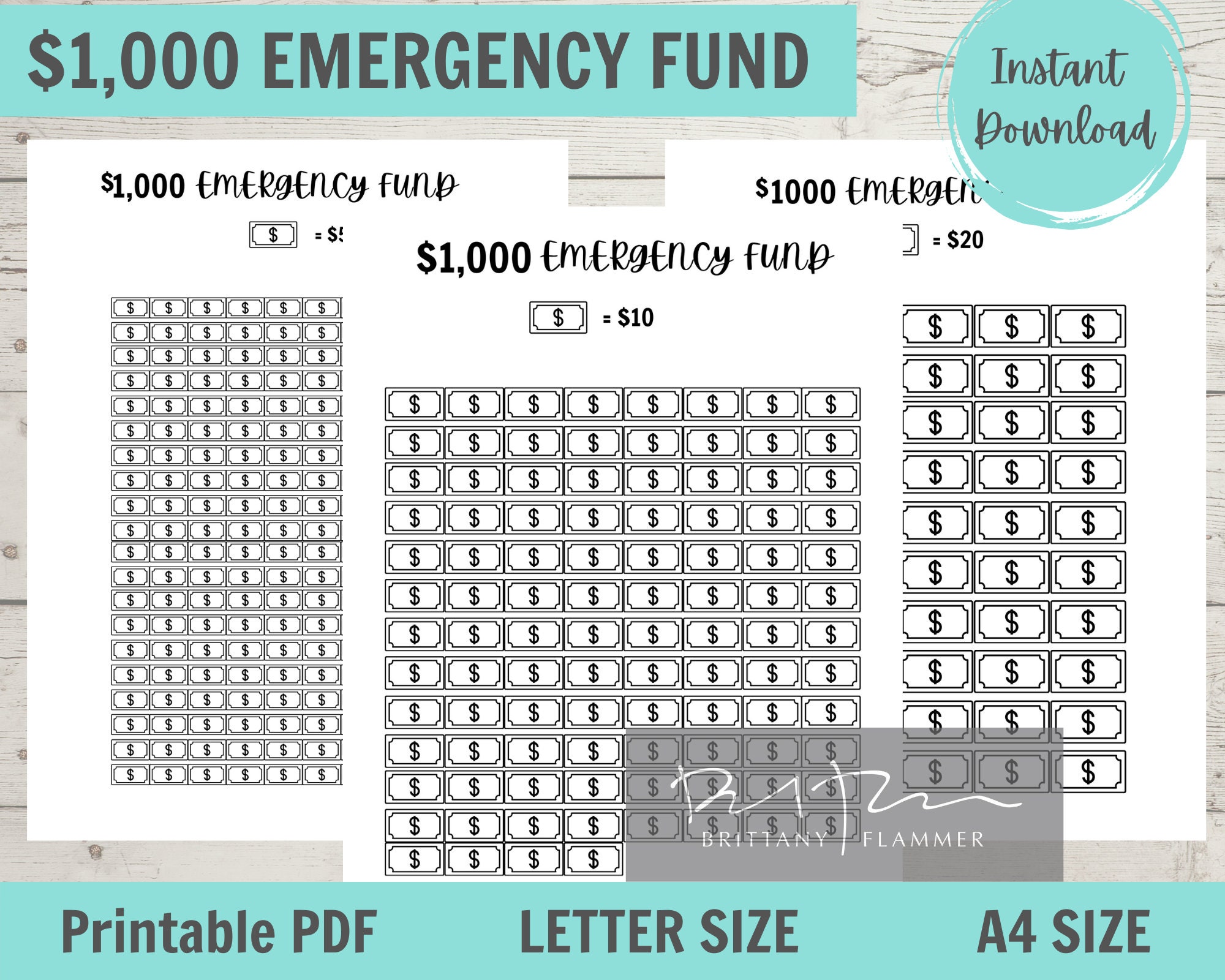
However, if you’re just starting out, it’s wise to begin with a smaller amount—around $1,000—to cover immediate emergencies. Once this foundation is in place, you can gradually build up to the full amount.
Step 2: Pay Off High-Interest Debt
Debt can be a major obstacle to financial freedom, especially high-interest debt like credit card balances. The fastest way to eliminate this burden is through the debt snowball method, which focuses on paying off the smallest debts first to build momentum.
This approach not only helps you pay off debt faster but also provides psychological wins that keep you motivated. Alternatively, the debt avalanche method, which targets high-interest debt first, may be more mathematically efficient. Choose the method that best fits your personality and financial situation.
Step 3: Build a Fully Funded Emergency Fund
Once your high-interest debt is under control, it’s time to fully fund your emergency reserve. Aim to save enough to cover three to six months of essential expenses. This step ensures you’re prepared for any unforeseen events without relying on credit cards or loans.
To accelerate this process, consider increasing your income through side hustles or negotiating a raise at work. Every extra dollar you earn can be directed toward your emergency fund, helping you reach your goal faster.
Step 4: Invest for Retirement
Retirement planning is a critical component of long-term financial security. One effective strategy is to invest 15% of your household income in retirement accounts. This could include employer-sponsored plans like 401(k)s or individual retirement accounts (IRAs).
Investing early allows you to take advantage of compound growth, which can significantly boost your savings over time. Additionally, many employers offer matching contributions, which is essentially free money that should be maximized.
Step 5: Save for Children's Education
If you have children or plan to in the future, saving for their education is an important step. Consider using tax-advantaged accounts like 529 plans or Coverdell ESAs to grow your savings efficiently.
These accounts offer flexibility and potential tax benefits, making them ideal for long-term education funding. Even small, consistent contributions can add up over time, providing a solid foundation for your children’s future.
Step 6: Pay Off Your Home Early
Paying off your mortgage can provide significant financial freedom by eliminating a major monthly expense. While this step may seem daunting, it’s achievable with disciplined saving and smart budgeting.
Consider strategies like making extra payments, refinancing, or increasing your income to accelerate the payoff process. The sooner you pay off your home, the more money you’ll have available for other financial goals.
Step 7: Build Wealth and Give Generously
The final step in the journey to financial power is to build wealth and give back. This involves investing in assets that generate passive income, such as real estate, stocks, or businesses. It also includes charitable giving, which can provide personal fulfillment and support for causes you care about.
By focusing on wealth creation and generosity, you not only secure your own financial future but also contribute positively to society.
Alternative Approaches to Financial Planning
While Dave Ramsey’s Baby Steps offer a structured path to financial freedom, they may not be the best fit for everyone. Some alternatives include:
- Financial Order of Operations (FOO): Developed by Brian Preston, this approach emphasizes investing earlier and leaving low-interest debt, like mortgages, until later.
- Zero-Based Budgeting: This method assigns every dollar a purpose, ensuring that your spending aligns with your financial goals.
- Personalized Strategies: Tailoring your financial plan to your unique circumstances and values can lead to more sustainable results.
Common Questions and Practical Insights
Q: How long does it take to achieve financial independence?
A: The timeline varies depending on factors like your income, savings rate, and investment returns. With consistent effort, some people achieve financial independence in 10–20 years.
Q: What is the best way to start saving?
A: Begin by setting clear goals and automating your savings. Use tools like budgeting apps to track your progress and stay on course.
Q: Can I still enjoy life while building financial power?
A: Absolutely. Balancing enjoyment with financial responsibility is key. Focus on mindful spending and prioritize experiences that bring you joy without compromising your long-term goals.
Conclusion
Securing long-term financial power is a journey that requires dedication, adaptability, and a clear plan. By following structured steps like those outlined in Dave Ramsey’s Baby Steps or exploring alternative strategies, you can build a stable financial future that supports your goals and values.
Remember, the path to financial independence is not one-size-fits-all. Experiment with different methods, stay informed, and remain committed to your financial well-being. With the right approach, you can achieve the freedom and security you deserve.

Post a Comment for "How to Build and Secure Long-Term Financial Power: A Step-by-Step Guide"
Post a Comment